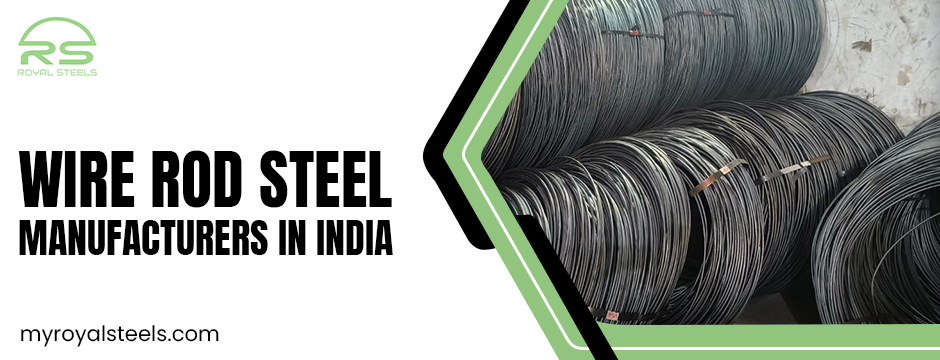
Key Factors That Differentiate Leading Wire Rod Steel Manufacturers in India

The wire rod steel industry in India is the backbone of numerous sectors, from construction and infrastructure to automotive and FMCG packaging. With India’s rapid industrialisation and expanding infrastructure projects, the demand for high-quality wire rod steel has soared. Wire rod steel serves as a fundamental raw material for reinforcement bars (rebars), fasteners, springs, wires, and many fabricated products — making its quality and consistency critical for end-product performance. However, not all manufacturers deliver the same level of product reliability, customer service, or value. Key differentiators set the leading producers apart in an increasingly competitive market. Companies that excel in innovation, quality assurance, supply chain efficiency, sustainability, and customer engagement can not only command premium pricing but also build long-lasting trust with buyers across diverse industries.

In this blog, we explore the core factors that distinguish top wire rod steel manufacturers in India from the rest. Whether you are a procurement professional, project engineer, or business owner looking to choose the right supplier, understanding these differentiators will help you make informed decisions that impact project timelines, structural performance, and overall cost efficiency.

Superior Quality and Consistency

For any steel product, quality is the foundation of differentiation — and wire rod steel is no exception. Leading manufacturers invest heavily in modernised production lines equipped with advanced quality control systems. These include:

  • Precise chemical composition control to ensure mechanical properties like tensile strength and ductility meet international standards.
  • Consistent dimensional accuracy, which ensures the rod diameter, surface finish, and tolerance are held within strict ranges — important for downstream processing and fabrication.
  • Automated inspection technologies, such as ultrasonic testing and laser micrometry to detect defects early in the process.

Manufacturers with robust quality assurance protocols often achieve certifications like ISI (BIS) and ISO standards, adding credibility and trust for buyers. Consistency in quality reduces on-site failures and minimises waste, which is particularly valuable for large infrastructure projects.

Advanced Production Technology and Innovation

Top-tier wire rod steel manufacturers prioritise technology upgrades and innovation. Adoption of state-of-the-art equipment such as induction furnaces, continuous casting machines, and modern rolling mills leads to improved efficiency and better metallurgical control. Innovative companies also integrate digital tools like real-time process monitoring, predictive maintenance analytics, and automation to boost throughput while reducing human errors. Cutting-edge technology not only enhances the end-product quality but also improves energy efficiency and operational reliability — delivering value to both producers and customers.

Compliance with Industry Standards & Certifications

With varying quality benchmarks across sectors, leading manufacturers ensure their products comply with national and international standards, such as:

  • IS 1786 / IS 209 (for grade and mechanical properties)
  • ASTM (American Standards for Testing and Materials)
  • ISO 9001 (Quality Management Systems)

Compliance demonstrates a manufacturer’s commitment to delivering steel that adheres to recognised safety and performance criteria. Certified suppliers are often preferred for high-stakes projects like bridges, high-rise buildings, or automotive components where quality failures can be catastrophic.

Sustainable and Environmentally Responsible Practices

Sustainability is no longer an optional aspect — it’s a business imperative. Leading wire rod steel manufacturers in India adopt eco-friendly practices such as:

  • Recycling scrap steel to minimise raw material consumption
  • Using energy-efficient furnaces and equipment
  • Reducing carbon emissions through process optimisation
  • Water reuse systems and pollution control mechanisms

Green manufacturing helps companies comply with environmental regulations and supports corporate sustainability goals for their customers. Eco-conscious buyers increasingly prioritise suppliers whose products are manufactured with minimal environmental impact.

Robust Supply Chain and Logistics

Timely delivery and consistent availability are practical factors that often distinguish the best manufacturers. Efficient logistics systems facilitate:

  • On-time dispatch and delivery across regional and international markets
  • Bulk supply capabilities for large orders
  • Safe packaging solutions to prevent product damage during transit

Manufacturers with a strong supply network and strategic distribution hubs can respond quickly to customer demands — a crucial advantage in competitive markets where project timelines are tight.

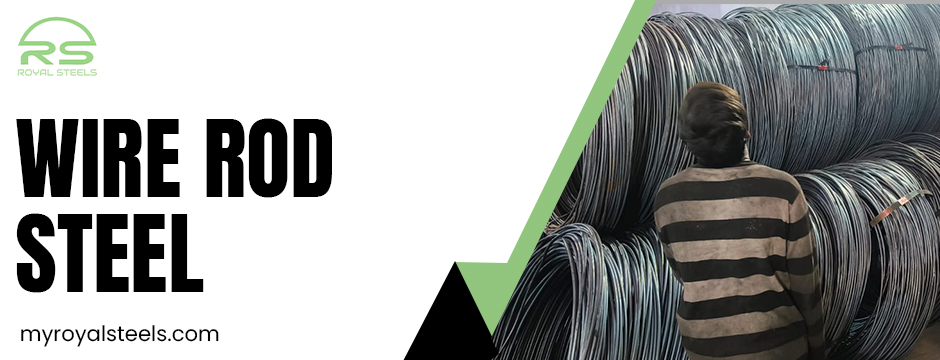
Wire Rod Steel

Customised Solutions and Technical Support

Top manufacturers go beyond selling standard products — they act as partners to their clients. This includes offering:

  • Customised grades and sizes based on client specifications
  • Technical consultation for structural applications
  • Post-sale support for installation and machining challenges

This consultative approach strengthens client relationships, builds loyalty, and positions manufacturers as trusted problem-solvers rather than mere commodity suppliers.

Competitive Pricing With Value Delivery

While price is a critical consideration, the leading manufacturers balance cost with value. Rather than engaging in aggressive price undercutting, they offer competitive pricing backed by quality assurance, after-sales support, and reliable delivery. Value-oriented pricing ensures customers receive high ROI over the lifecycle of their projects.

Strong Market Reputation and Customer Trust

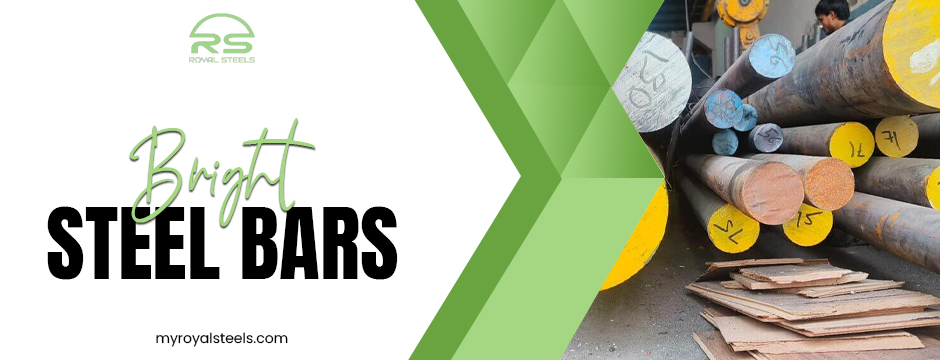
Reputation in the Bright Steel Bars industry is built over years of consistent performance, quality delivery, and ethical business practices. Leading manufacturers have:

  • Documented track records with repeat customers
  • Positive testimonials from infrastructure firms, fabricators, and OEMs
  • Strong presence in both domestic and export markets

A strong reputation enhances confidence among prospective buyers and often leads to long-term contracts and strategic partnerships.

End Words

Choosing the right wire rod steel manufacturers in India can significantly impact the durability, performance, and economics of your projects. The differentiators discussed — from quality consistency, advanced technology, certifications, sustainability, supply chain strength, customised support, to competitive pricing — are key markers of industry leadership. Manufacturers who excel in these areas not only deliver excellent products but also build lasting value for their customers.

For projects where quality, reliability, and performance are non-negotiable, consider partnering with Royal Steels. With a commitment to stringent quality control, advanced production standards, and customer-first solutions, we stand among India’s leading wire rod steel manufacturers, delivering excellence across industries. 

Frequently Asked Questions (FAQ)

1. What is wire rod steel mainly used for?

Wire rod steel is widely used in construction, automotive, engineering, and manufacturing industries. It serves as a raw material for rebars, wires, fasteners, springs, mesh, nails, and various fabricated steel products.

2. How do I identify a reliable wire rod steel manufacturer in India?

Reliable wire rod steel manufacturers in India are identified by consistent product quality, BIS/ISO certifications, modern manufacturing facilities, strong logistics support, and a proven track record with repeat customers.

3. Why is quality consistency important in wire rod steel?

Quality consistency ensures uniform strength, ductility, and surface finish, which reduces fabrication issues, minimises material wastage, and improves the safety and durability of the final application.

4. Do leading manufacturers offer customised wire rod steel solutions?

Yes, many leading manufacturers provide customised grades, sizes, and chemical compositions based on specific industry or project requirements, along with technical support.

5. How does sustainability impact wire rod steel manufacturing?

Sustainable practices such as scrap recycling, energy-efficient furnaces, and reduced emissions help manufacturers lower environmental impact while meeting regulatory standards and supporting eco-conscious buyers.

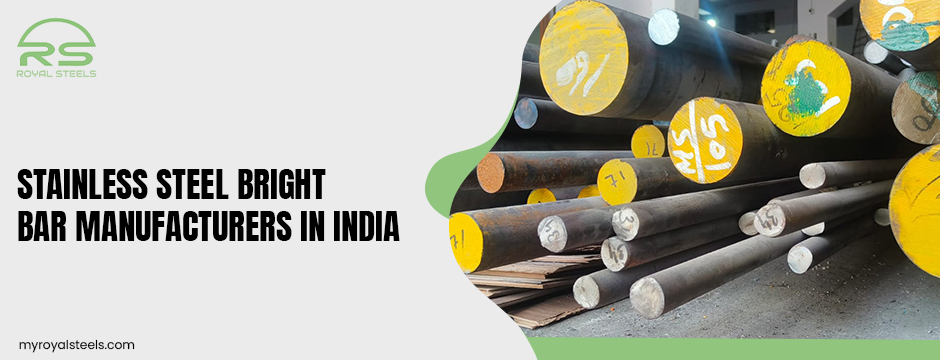
Key Industries Served by Stainless Steel Bright Bar Manufacturers in India

Stainless steel bright bars have become an essential raw material across a wide spectrum of industries in India. Known for their superior surface finish, precise dimensional accuracy, corrosion resistance, and high mechanical strength, these bars play a critical role in both heavy-duty industrial applications and precision engineering environments. As India continues to strengthen its manufacturing ecosystem through initiatives such as Make in India, the demand for high-quality stainless steel bright bars has grown consistently.

Unlike conventional steel bars, bright bars undergo advanced processes such as cold drawing, peeling, grinding, and polishing. These processes enhance surface smoothness, improve tolerance levels, and ensure better machinability. As a result, stainless steel bright bars are preferred where reliability, durability, and performance cannot be compromised. This blog explores the key industries served by stainless steel bright bar manufacturers in India, highlighting how these industries rely on bright bars for efficiency, safety, and long-term operational excellence.

Automotive Industry

The automotive industry is one of the largest consumers of stainless steel bright bars in India. These bars are widely used in the manufacturing of critical vehicle components such as shafts, axles, fasteners, gears, suspension parts, and engine components. Their high tensile strength, fatigue resistance, and dimensional accuracy make them ideal for applications that involve continuous motion and heavy loads.

Stainless steel bright bars also offer excellent corrosion resistance, which is crucial for vehicles exposed to varying weather conditions, moisture, and road chemicals. As the automotive sector evolves toward electric vehicles and advanced mobility solutions, the demand for precision-engineered bright bars continues to rise.

Construction and Infrastructure

In the construction and infrastructure sector, stainless steel bright bars are used for structural supports, architectural fittings, reinforcement systems, railings, and decorative elements. Their strength-to-weight ratio and resistance to corrosion make them especially valuable in coastal areas, industrial zones, and high-humidity environments. Their smooth finish and polished appearance add visual appeal while ensuring long service life with minimal maintenance.

Oil and Gas Industry

Stainless steel bright bars meet these requirements effectively, making them suitable for valves, pumps, drill components, fasteners, and pipeline fittings. Bright bars used in this sector often conform to stringent international standards due to safety and performance requirements. Indian manufacturers supply customised grades and sizes to meet the exacting demands of both upstream and downstream oil and gas operations.

Heavy Engineering and Machinery Manufacturing

Heavy engineering industries rely extensively on stainless Bright Steel Bars for producing machine parts, tools, couplings, spindles, and hydraulic components. Precision is critical in these applications, and bright bars offer tight tolerances and consistent quality.

Their superior machinability reduces tool wear and manufacturing time, leading to higher productivity and cost efficiency. As India continues to expand its manufacturing base, this sector remains a major driver of bright bar demand.

Aerospace and Defence

The aerospace and defence sectors require materials that combine strength, reliability, and resistance to extreme conditions. Stainless steel bright bars are used in aircraft components, defence equipment, fasteners, shafts, and support structures.

These applications demand zero tolerance for defects, making quality assurance a top priority. Indian bright bar manufacturers serving this sector adhere to strict testing, certification, and traceability protocols to ensure compliance with defence and aviation standards.

Medical and Healthcare Equipment

Stainless steel bright bars play a vital role in the medical and healthcare industry due to their hygienic properties, corrosion resistance, and biocompatibility. They are used to manufacture surgical instruments, medical tools, hospital furniture, implants, and diagnostic equipment components.

The smooth surface finish of bright bars reduces the risk of bacterial growth and makes sterilisation easier. With the rapid expansion of India’s healthcare infrastructure, the demand for medical-grade stainless steel bright bars is steadily increasing.

Food Processing and Beverage Industry

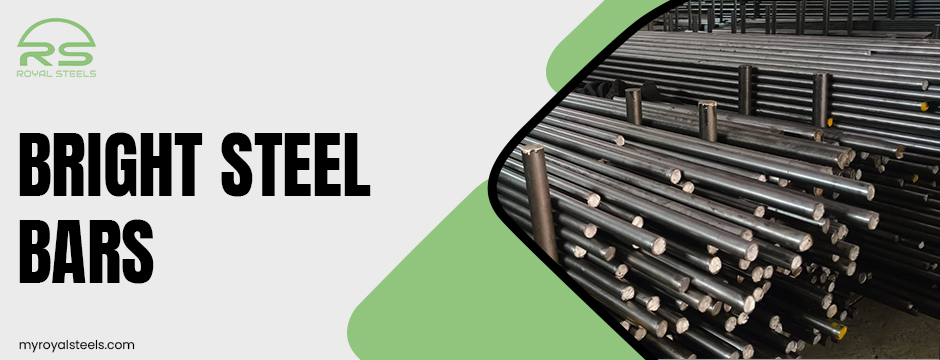
Bright Steels Bar

In the food and beverage sector, material hygiene and corrosion resistance are non-negotiable. Stainless Steel Bright Bar Manufacturers in India are widely used in food processing machinery, conveyors, mixers, tanks, and support structures.

Their resistance to acids, alkalis, and cleaning chemicals ensures food safety and compliance with regulatory standards. Bright bars also offer durability under frequent washdowns and temperature variations, making them ideal for continuous production environments.

Chemical and Pharmaceutical Industry

Chemical and pharmaceutical industries operate in highly corrosive and controlled environments. Stainless steel bright bars are used in reactors, heat exchangers, agitators, pipelines, and equipment frames due to their resistance to chemical reactions and contamination.

Precision and consistency are critical in pharmaceutical manufacturing, where even minor deviations can impact product quality. Bright bars provide the reliability needed for such sensitive applications.

Power Generation and Energy Sector

Power plants, including thermal, hydro, nuclear, and renewable energy facilities, rely on stainless steel bright bars for turbines, shafts, fasteners, and structural components. These bars offer strength, heat resistance, and long-term performance under continuous operational stress.

With India’s growing focus on renewable energy and infrastructure modernization, the energy sector continues to be a significant consumer of stainless steel bright bars.

Final Words

Stainless steel bright bar manufacturers in India serve a wide range of industries that form the backbone of the nation’s industrial and economic growth. From automotive and construction to healthcare, energy, and defence, bright bars deliver unmatched performance, precision, and durability across applications.

For premium-quality stainless steel bright bars tailored to diverse industrial needs, explore the manufacturing excellence and product range offered by Royal Steels.

Frequently Asked Questions (FAQ)

What are stainless steel bright bars?

Stainless steel bright bars are precision-finished steel bars produced through processes such as cold drawing, peeling, grinding, and polishing. These processes improve surface finish, dimensional accuracy, strength, and corrosion resistance, making them ideal for high-performance industrial applications.

Which industries commonly use stainless steel bright bars in India?

Stainless steel bright bars are widely used in automotive, construction, oil and gas, heavy engineering, aerospace and defence, medical equipment, food processing, pharmaceuticals, and power generation industries due to their durability and precision.

Why are bright bars preferred over regular steel bars?

Bright bars provide a superior surface finish, tighter tolerances, better machinability, and enhanced mechanical properties compared to regular steel bars. This ensures higher performance, longer service life, and reduced maintenance.

Are stainless steel bright bars suitable for corrosive environments?

Yes, stainless steel bright bars offer excellent resistance to corrosion, chemicals, moisture, and extreme temperatures. They are ideal for harsh environments such as chemical plants, coastal construction, oil refineries, and food processing units.

Can stainless steel bright bars be customised for specific industrial needs?

Most Stainless Steel Bright Bar Manufacturers in India offer customisation options for grade, diameter, length, and surface finish. This helps industries meet exact operational, safety, and performance requirements while extending system lifespan.

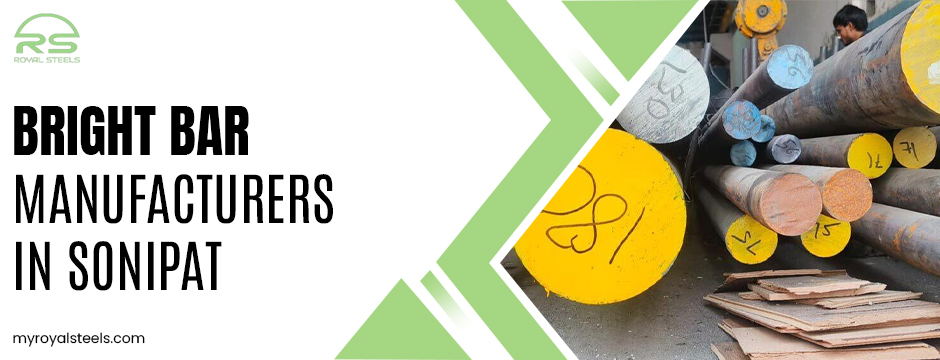
Top Challenges Faced by Bright Bar Manufacturers in Sonipat and How They Overcome Them?

Sonipat — a thriving industrial town in Haryana, India — has become a notable hub for steel and allied manufacturing units, including bright bar producers. Bright steel bars are precision-finished steel products valued for high tensile strength, tight dimensional tolerance, and superior surface finish, which make them indispensable across sectors like automotive manufacturing, construction, and engineering. These bright bars go through a specialised cold-finished process that yields exact geometry and excellent mechanical properties, making them preferred materials for high-precision components. 

Yet, as demand surges — driven by booming infrastructure projects and rapid industrial expansion — manufacturers in Sonipat face a series of operational, technical, and market-driven challenges. These challenges not only affect production efficiency but also the ability to maintain quality and compete at both national and global scales. Addressing them strategically has become essential for the local steel ecosystem’s sustainability and growth prospects in the coming decade. In this blog, we explore the top hurdles confronting bright bar manufacturers in Sonipat and the effective solutions adopted to transform these challenges into opportunities.

Managing Fluctuating Raw Material Prices

One of the most persistent challenges bright bar manufacturers face is volatile prices in raw materials — particularly steel billets or wire rods, which serve as primary inputs. Price swings, often influenced by global iron ore markets, import duties, and energy costs, can drastically increase production expenses, squeezing profit margins.

How Manufacturers Overcome It:

  • Strategic Procurement Contracts: Many producers forge long-term contracts with suppliers to lock in prices and ensure supply continuity.
  • Bulk Purchasing & Inventory Hedging: By purchasing materials in bulk during low-price periods and hedging inventory, manufacturers minimise exposure to sudden price spikes.
  • Material Optimisation: Efficient yield management and scrap reduction practices help reduce the total volume of raw materials needed per unit of output.

These measures help stabilise costs and allow manufacturers in Sonipat to offer competitive pricing without compromising product quality.

Maintaining Consistent Quality Standards

Bright steels bars must meet exacting quality benchmarks — including dimensional tolerance, surface finish, and mechanical strength — to serve precision industries like automotive and aerospace. Achieving this consistency is technically demanding, especially under cost pressures and large-scale production targets. 

Challenges Include:

  • Surface imperfections such as micro-scratches.
  • Variations in mechanical properties due to inconsistent cold-drawing processes.
  • Difficulty in detecting defects early in the production cycle.

Solutions Employed:

  • Advanced Quality Control Systems: Manufacturers implement enhanced inspection protocols and real-time monitoring to catch flaws early.
  • Automation in Finishing Processes: Use of CNC-controlled grinding and polishing machines minimises manual errors and improves uniformity.
  • Skilled Workforce Training: Regular training sessions ensure technicians are adept at maintaining stringent quality checks throughout production.

Investing in quality systems not only meets industrial standards but also enables manufacturers to build trust with long-term customers.

Adopting Technological Upgrades

Legacy manufacturing setups with outdated machines and manual processes struggle to compete with advanced steel producers that harness automation, digital quality control, and robotics. Adopting Industry 4.0 technologies presents barriers such as high upfront costs and workforce skill gaps.

How They Adapt:

  • Phased Technology Modernisation: Rather than full overhauls, many Sonipat units upgrade incrementally — starting with digital measurement instruments and robotic polishing lines.
  • Collaborations with Tech Providers: Partnerships with automation vendors help facilitate smoother technology integration.
  • Government Scheme Leverages: Manufacturers leverage government incentives aimed at modernising MSME clusters and reducing industrial emissions for financial support.

By embracing smart manufacturing innovation, producers improve operational efficiency, reduce defects, and stay competitive in quality-focused market segments. 

Bright Steels Bar

Skilled Labor and Workforce Challenges

Bright Steel Bars manufacturing demands technical precision, from cold drawing and heat treatment to quality inspection. However, gaps in skilled tooling and machine expertise often limit productivity. Sonipat manufacturers compete with larger steel hubs for qualified labour, and attrition can be high.

Mitigation Strategies:

  • In-house Upskilling Programs: Businesses conduct regular on-site training and partner with vocational institutions to develop talent.
  • Performance-Linked Incentives: Introducing productivity-based bonuses helps with retention and motivates skill enhancement.
  • Collaborations with Technical Institutes: Internship and apprenticeship programs provide a ready pipeline of trained workers familiar with bright bar processes.

These workforce development measures improve operational stability and reduce error rates tied to human performance.

Energy and Environmental Compliance Pressures

Steel manufacturing — including bright bar production — is energy-intensive, requiring consistent power and heat for drawing, annealing, and finishing. Rising energy costs and environmental regulations add cost pressures and compliance obligations.

Solutions Adopted by Manufacturers:

  • Energy Efficiency Investments: Use of electric induction heating, LED systems, and energy recovery systems reduces operational costs.
  • Green Compliance Roadmaps: Many Sonipat units now adopt eco-friendly production practices to meet emission standards and avoid fines.
  • Alternative Energy Adoption: Incorporating solar or waste-heat recovery systems helps offset energy costs and improve sustainability credentials.

By managing energy consumption smartly, Bright Bar Manufacturers in Sonipat align with environmental mandates while lowering production costs.

Market Competition and Branding Challenges

With many players entering the bright bar segment nationwide, manufacturers in Sonipat face stiff competition from larger steel-producing regions such as Mandi Gobindgarh and international imports. Differentiating on quality and reliability, rather than price alone, remains a core challenge.

Approaches to Compete:

  • Brand Building & Certifications: Achieving quality certifications such as ISO 9001 enables manufacturers to strengthen credibility.
  • Targeting Niche Sectors: Focusing on specialised grades for engineering, automotive, or critical machinery parts helps diversify revenue.
  • Value-Added Services: Offering logistics coordination, custom sizes, and post-sale support improves customer retention.

These strategies help Sonipat manufacturers stay relevant in a crowded market and secure long-term contracts.

End Notes

Bright Bar Manufacturers in Sonipat stand at a critical juncture — balancing traditional steel-making expertise with modern demands for precision, sustainability, and global quality standards. Despite challenges like raw material volatility, quality consistency pressures, workforce shortages, technological transitions, energy costs, and market competition, manufacturers are responding with strategic planning, continuous improvement, and targeted investments.

For businesses seeking trusted, quality-assured bright bars that meet industry benchmarks, Royal Steels offers solutions backed by advanced manufacturing, rigorous quality control, and a commitment to supporting infrastructure and engineering excellence. Our expertise reflects how Sonipat’s bright bar sector is evolving to meet the future head-on — delivering premium products built to withstand the demands of modern industry.

Frequently Asked Questions

Bright bars are cold-finished steel bars known for their precise dimensions, smooth surface finish, and enhanced mechanical strength. They are widely used in automotive, construction, and engineering industries where accuracy, durability, and consistency are critical for manufacturing high-performance components.

Sonipat benefits from strong industrial infrastructure, proximity to Delhi-NCR, access to raw materials, and excellent road connectivity. These advantages make it a preferred location for steel processing units serving domestic and export markets.

Fluctuating raw material prices are a major challenge as they directly impact production costs and margins. Manufacturers address this through strategic sourcing, bulk procurement, and efficient inventory management.

Consistent quality is ensured through advanced cold-drawing processes, strict inspection protocols, automated finishing machinery, and skilled workforce training. Regular testing guarantees compliance with industry standards.

Manufacturers are adopting energy-efficient machinery, eco-friendly practices, and alternative energy solutions like solar power to reduce operational costs while meeting environmental regulations.

What Sets a Leading Supplier of Bright Bar Apart in Today’s Competitive Market?

In today’s fast-paced manufacturing and construction industries, raw material quality is no longer a secondary concern—it is a defining factor in performance, durability, and cost efficiency. Among these materials, bright bars hold a particularly important place. Widely used across automotive, engineering, fabrication, and infrastructure sectors, bright bars are valued for their superior surface finish, precise dimensions, and enhanced mechanical properties.

However, as demand rises, so does competition among suppliers. Simply offering bright bars is no longer enough. Buyers—whether OEMs, fabricators, or large-scale project managers—are increasingly selective about who they source from. They expect consistent quality, transparent processes, dependable supply chains, and suppliers who understand real-world application requirements. This shift has created a clear divide between average vendors and the truly Leading Supplier of Bright Bar. 

Uncompromising Quality Standards

At the core of any leading bright bar supplier is a relentless focus on quality. Bright bars are often used in precision-critical applications such as shafts, fasteners, gears, and structural components. Even minor inconsistencies in diameter, straightness, or surface finish can lead to costly failures.

Top suppliers ensure:

  • Tight dimensional tolerances
  • Smooth, defect-free surface finishes
  • Uniform mechanical properties across batches

This is achieved through controlled manufacturing processes like cold drawing, peeling, grinding, and polishing—paired with strict quality inspections at every stage.

Advanced Manufacturing Technology

Modern bright bar production demands precision engineering. Leading suppliers stay ahead by investing in state-of-the-art machinery and automation systems that enhance efficiency while maintaining accuracy.

Advanced equipment allows for:

  • Improved dimensional consistency
  • Better surface integrity
  • Higher production capacity without sacrificing quality

Technology-driven manufacturing also reduces material wastage and human error, helping suppliers deliver competitively priced products without cutting corners.

Wide Range of Grades and Specifications

One-size-fits-all doesn’t work in steel manufacturing. Different industries require different grades, shapes, and sizes of bright bars.

A leading supplier stands out by offering:

  • Mild steel, carbon steel, alloy steel, and special steel grades
  • Round, square, hexagonal, and customised profiles
  • Standard lengths as well as customer-specific dimensions

This flexibility allows clients to source everything they need from a single, reliable partner—saving time, logistics costs, and procurement effort.

Strict Quality Control and Testing

Quality claims hold weight only when backed by thorough testing. Leading Supplier of Bright Bar implements rigorous inspection protocols, including:

  • Chemical composition analysis
  • Tensile and hardness testing
  • Surface defect inspection
  • Straightness and dimensional checks

Maintaining proper documentation and test certificates further builds trust, especially for industries where compliance and traceability are critical.

Consistency and Supply Reliability

In competitive markets, delays can be as damaging as quality issues. Manufacturers operate on tight schedules, and raw material shortages can halt entire production lines.

What separates leading suppliers is their ability to:

  • Maintain consistent stock levels
  • Handle supply fluctuations smoothly

Strong vendor relationships, efficient inventory management, and logistics planning play a major role here.

Industry Knowledge and Technical Support

Bright bars go into diverse applications, and understanding those use cases matters. Top suppliers don’t just fulfil orders—they offer guidance.

Their teams can:

  • Recommend suitable grades for specific applications
  • Suggest cost-effective alternatives
  • Assist with machining or processing considerations

This consultative approach positions the supplier as a long-term partner rather than just a materials vendor.

Commitment to Compliance and Sustainability

Leading Supplier of Bright Bar

Leading suppliers align their operations with industry standards and sustainability practices.

Key indicators include:

  • Adherence to national and international quality norms
  • Environmentally responsible sourcing and processing
  • Waste reduction and energy-efficient manufacturing

Such commitment reassures clients who prioritise ethical sourcing and long-term environmental impact.

Customisation and Customer-Centric Approach

Every project has unique requirements. Market leaders understand this and build flexibility into their operations.

They excel by offering:

  • Customised sizes and finishes
  • Application-specific solutions
  • Responsive communication and after-sales support

A supplier that listens and adapts quickly earns repeat business and long-term loyalty.

Transparent Pricing and Long-Term Value

Price matters—but value matters more. Leading Bright Steel Bars suppliers strike the right balance by offering competitive pricing without compromising on quality or service.

Transparent quotes, consistent quality, and reduced rejection rates ultimately lower total project costs, making them the smarter choice in the long run.

Final Thoughts

In a market crowded with suppliers, true leaders differentiate themselves through quality, consistency, technical expertise, and customer focus. A Leading Supplier of Bright Bar is not just a source of raw materials but a strategic partner in growth, efficiency, and performance.For businesses looking to work with a supplier that prioritises precision manufacturing, reliable supply, and industry-driven solutions, Royal Steels stands out as a trusted name. With a strong commitment to quality, advanced processing capabilities, and a customer-first approach, we continue to meet evolving industrial demands with confidence.

Frequently Asked Questions (FAQ)
What is a bright bar, and where is it commonly used? +
A bright bar is a steel bar produced through cold drawing or polishing to achieve high dimensional accuracy and a smooth finish. It is widely used in automotive components, machinery parts, construction, fasteners, and precision engineering.
Why is supplier quality so important for bright bars? +
Bright bars are used in load-bearing and precision-critical applications. A reliable supplier ensures consistent properties, accurate dimensions, and defect-free surfaces—reducing risk of product failure or material rejection.
How can I identify a reliable bright bar supplier? +
A dependable supplier follows strict quality standards, uses advanced manufacturing technology, provides test certificates, ensures consistent delivery, and has strong technical knowledge.
What grades of bright bars are usually available? +
Leading suppliers offer grades like mild steel, carbon steel, alloy steel, and special-purpose steels in round, square, hexagonal, and custom shapes.
Can bright bars be customised for specific applications? +
Yes, top suppliers provide customization options including specific diameters, tolerances, lengths, finishes, and grades to meet industry needs.

How Hexagonal Bright Bars Support High-Precision Engineering?

In the world of modern engineering, precision is not just a requirement—it’s a standard. From automotive components to aerospace parts, every industry relies on materials that offer consistency, reliability, and exceptional mechanical stability. Among these materials, hexagonal bright bars have emerged as essential assets for manufacturers who demand accuracy down to the finest detail. These bars, known for their unique geometric shape and superior surface finish, play a critical role across industries that cannot afford measurement errors, structural inconsistencies, or machining difficulties.

What makes bright bars especially suited to high-precision engineering is their combination of dimensional accuracy, increased tensile strength, and exceptional machinability. Their bright, smooth finish ensures tighter tolerances and cleaner results during fabrication processes such as drilling, turning, cutting, and threading. Engineers and manufacturers prefer these bars when consistency is non-negotiable, whether they are producing fasteners, hydraulic components, gears, shafts, or precision tools.

Why Hexagonal Shape Matters in Precision Engineering?

The Hexagonal Bright Bars geometry is not just aesthetic—it is functional.

Better Grip and Tool Compatibility

Hex bars are widely used in applications such as fasteners, nuts, bolts, and tool components because the flat, evenly spaced surfaces ensure excellent grip and easy torque application.

Consistency in Machining Operations

The uniform geometry provides stability during machining, preventing slippage and reducing tool wear. This translates to:

  • Enhanced accuracy
  • Faster production cycles
  • Lower risk of deformation

Strength Distribution

With six flat faces and equally distributed mass, hexagonal bars exhibit better load-bearing characteristics, especially in rotational or torsional applications.

Manufacturing Process: The Backbone of Precision

The cold drawing process used to create bright bars is what gives them their enhanced mechanical and dimensional properties. Here’s how the process supports precision engineering:

Cold Drawing Increases Strength

When the metal is drawn through a die, its grain structure becomes denser, increasing:

  • Tensile strength
  • Hardness
  • Wear resistance

These are vital for long-lasting engineering components.

Superior Surface Quality

The polished finish prevents:

  • Rough edges
  • Surface cracks
  • Oxidation

This contributes to reduced friction and improved performance in rotating or moving machinery parts.

Dimensional Accuracy

Because cold drawing involves controlled shaping at room temperature, manufacturers achieve precise tolerances with minimal variation—an essential factor for multi-component assemblies.

Applications of Hexagonal Bright Bars in High-Precision Engineering

Automotive Sector

Hex bright bars are used to manufacture:

  • Nuts, bolts, and fasteners
  • Steering components
  • Suspension parts
  • Shafts and spindles

Their strength and uniformity ensure safety and reliability in vehicles.

Aerospace Industry

Precision is crucial in aerospace, and bright bars are used for:

  • Aircraft fasteners
  • Engine components
  • Structural fittings

These parts must withstand extreme temperatures, pressures, and vibrations.

Industrial Machinery

Machinery components made from hex bars benefit from:

  • Enhanced wear resistance
  • Perfect geometric alignment
  • Smooth operation under heavy loads

They are used in hydraulic systems, gear assemblies, and tooling systems.

Construction and Infrastructure

Hex bars provide stability and exactness in:

  • Metal joints
  • Anchoring systems
  • Specialised construction tools

Their durability supports long-term infrastructure safety.

Energy Sector

From power plants to renewable energy platforms, hex bars support:

  • Turbine components
  • Valve systems
  • Mechanical connectors

Their corrosion-resistant and robust structure ensures reliable operation in harsh environments.

How Bright Bars Improve Manufacturing Efficiency?

hexagonal bright bars

Reduced Material Waste

Hex bars are delivered with near-net shapes, meaning less raw material is removed during machining. This contributes to cost savings and sustainable production.

Faster Machining Cycles

Thanks to their dimensional accuracy and smooth surface, cutting tools encounter minimal resistance. This improves:

  • Tool life
  • Machining speed
  • Consistency of output

Improved Product Quality

Manufacturers achieve:

  • Uniform finish
  • Accurate threading
  • Perfect alignment in assemblies

This ensures products meet industry and regulatory standards with ease.

Benefits of Using Hexagonal Bright Bars in Precision Engineering

High Strength-to-Weight Ratio

Perfect for applications requiring strength without added bulk.

Corrosion Resistance

Especially when produced from stainless steel grades.

High Mechanical Reliability

Ideal for moving, rotating, and load-bearing components.

Excellent Machinability

Reduced downtime and enhanced efficiency.

Cost-Effective

Their efficiency in shaping, machining, and performance reduces overall production costs.

Why Industries Prefer Hexagonal Bright Bars Over Other Bar Types?

  • Superior torque compatibility (ideal for fasteners and mechanical tools)
  • Better rotational symmetry
  • Enhanced consistency in high-stress environments
  • Minimal need for additional processing

These make hex bright bars a preferred choice over round or square bars in many high-precision applications.

Final Words

Hexagonal bright bars play an indispensable role in high-precision engineering by offering unmatched dimensional accuracy, superior mechanical strength, and outstanding surface quality. Their ability to support complex machining operations while ensuring reliability makes them essential across industries such as automotive, aerospace, construction, and energy. As manufacturers continue to demand higher performance standards and tighter tolerances, the importance of these bars continues to grow.

If you are looking for premium-quality hexagonal bright bars with exceptional finish, consistency, and durability, explore the specialised range offered by Royal Steels. Our commitment to engineering excellence ensures you get materials that truly enhance your production quality and precision. 

Frequently Asked Questions (FAQ)

What are hexagonal bright bars used for?
Hexagonal bars are used in precision engineering applications such as manufacturing fasteners, nuts, bolts, tool components, shafts, and hydraulic parts. Their exact geometry, excellent strength, and smooth finish make them ideal for industries like automotive, aerospace, machinery, and construction, where dimensional accuracy and reliability are crucial.
How are hexagonal bright bars manufactured?
Hexagonal bars are produced through a cold drawing process in which steel is pulled through dies to achieve a bright, smooth finish and exact dimensions. Cold finishing enhances tensile strength, surface quality, and machinability, making these bars suitable for high-precision components that require uniformity and consistent performance.
Why is the hexagonal shape beneficial in engineering?
The hexagonal shape provides flat surfaces that offer excellent grip, torque transmission, and stability during machining. This geometry ensures consistent machining results, minimises tool slippage, and distributes stress evenly. As a result, hex bright bars perform exceptionally in high-stress applications, especially in fasteners, tool components, and rotating machinery parts.
What grades of steel are commonly used for hexagonal bright bars?
Common steel grades include mild steel, carbon steel, alloy steel, and stainless steel variants like 304 and 316. The grade selection depends on the application’s strength requirements, corrosion exposure, and machining needs. Each grade provides unique mechanical benefits, making hex bars versatile across multiple engineering industries.
Why are hexagonal bright bars preferred for precision machining?
Hexagonal bright bars offer tighter tolerances, superior straightness, and a polished surface, reducing friction and improving tool life during machining. Their uniform dimensions help achieve accurate threads, cuts, and fittings. These properties make them ideal for creating components that demand high precision, consistency, and long-term performance.

How to Compare Bright Bar Manufacturers in India for Your Industrial Needs?

Bright bars have become the backbone of multiple industrial applications in India—from automotive components to construction, defence, fabrication, railways, fasteners, and precision machinery. Their popularity stems from their high tensile strength, dimensional accuracy, smooth surface finish, and enhanced mechanical properties. But with dozens of manufacturers across India offering bright bars in various grades, shapes, and finishes, selecting the right supplier can feel overwhelming. Making the wrong choice can lead to inconsistent quality, production delays, increased rejection rates, and higher operational costs.

Whether you need round, square, hexagonal, or flat bright bars, the decision should be backed by a thorough evaluation. From understanding raw material sourcing to examining certifications, production capabilities, and customisation flexibility—every factor matters. A reliable, bright bar manufacturer not only ensures quality but also contributes directly to your operational efficiency and long-term profitability. This guide breaks down the key factors you must consider when comparing bright bar manufacturers in India, helping you make a confident, informed decision. 

Assess the Manufacturer’s Production Capabilities

A strong manufacturing infrastructure is a major indicator of quality and reliability. While comparing suppliers, check for:

  • State-of-the-art machinery for drawing, peeling, cutting, and polishing
  • In-house heat treatment facilities for better consistency
  • Automated straightening and machining lines
  • Capacity to handle high-volume orders
  • Ability to manufacture different shapes and sizes (round, square, hex, flat)

A manufacturer with a modern setup will deliver tighter tolerances, smoother surfaces, and uniform mechanical properties—crucial for industries like automotive and aerospace.

Check the Grade Variety and Material Options

Indian industries require bright bars in multiple grades, such as:

  • Mild Steel (MS)
  • Carbon Steel
  • Alloy Steel (EN8, EN19, EN24, etc.)
  • Stainless Steel
  • Free Cutting Steel

Bright Bar Manufacturers in India offering a wide grade portfolio ensure you aren’t limited in your application. It also means the manufacturer understands diverse industry needs and maintains sufficient inventory of raw materials.

Evaluate Surface Finish and Dimensional Accuracy

The hallmark of a high-quality bright bar is its surface finish. Key aspects to evaluate include:

  • Smoothness and clarity of finish
  • Absence of cracks, scaling, laps, or imperfections
  • Dimensional uniformity across the entire length
  • Straightness tolerance
  • Controlled roundness, squareness, and flatness based on shape

For industries like precision machining, medical equipment, and automotive components, even slight deviations can lead to product failure or rejection.

Verify Certifications and Compliance Standards

Reliable bright bar manufacturers typically comply with:

  • ISO certifications
  • Material test certificates (MTC)
  • Third-party inspection compliance
  • Industry-specific standards such as ASTM, EN, JIS, and IS specs

Compliance indicates that the manufacturer follows strict processes, quality checks, and safety protocols. Ask for documentation to validate these claims.

Look Into Raw Material Sourcing Practices

The quality of bright bars directly depends on the quality of billets used. While comparing manufacturers, ask:

  • Are they sourcing billets from trusted steel mills?
  • Do they check chemical composition before processing?
  • Do they use fully-killed, tested billets?
  • Do they maintain traceability for every batch?

Manufacturers with stringent raw material selection deliver superior end products with consistent mechanical and chemical properties.

Evaluate Quality Testing and Inspection Procedures

Top Bright Steel Bars manufacturers use advanced testing methods such as:

  • Hardness testing
  • Tensile and yield strength tests
  • Ultrasonic testing (UT)
  • Eddy current testing
  • Dimensional inspection
  • Surface crack detection

The presence of a dedicated in-house laboratory shows that the manufacturer values quality control and offers reliable, defect-free bright bars.

Review Their Delivery Capability and Logistics Support

Bright Bar Manufacturers in India

Timely delivery is crucial to avoid production delays. Consider:

  • Average dispatch times
  • Ability to manage bulk orders
  • Transportation partnerships
  • Handling and packaging standards
  • Stock availability for urgent requirements

A manufacturer with streamlined logistics ensures uninterrupted operations for your business.

Compare Customisation Flexibility

Every industry has unique requirements. The ideal manufacturer should offer:

  • Custom lengths
  • Specific tolerances
  • Special heat treatments
  • Polishing options
  • Tailored chemical or mechanical specifications

Customisation allows you to achieve better performance, reduce machining time, and improve production efficiency.

Understand Pricing Transparency

Cost is a major factor, but it shouldn’t be the only deciding point. Look for:

  • Transparent pricing with no hidden charges
  • Justification for price differences (grade, processing, finishing)
  • Long-term economic benefits through reduced rejections and better longevity

High-quality bright bars often reduce overall manufacturing costs despite slightly higher upfront prices.

Check Industry Reputation and Client Feedback

A manufacturer’s reputation says more than their brochures. Research:

  • Customer reviews
  • Industry references
  • Years of experience
  • Return clients
  • Digital presence
  • Case studies of industrial supply

A company trusted across multiple industries is more likely to deliver consistently.

End Words

Comparing bright bar manufacturers in India requires a careful assessment of production capabilities, grade variety, certifications, surface finish quality, testing procedures, delivery efficiency, and pricing transparency. Industries across India depend on bright bars for critical applications, and partnering with a credible manufacturer ensures consistent performance, reduced downtime, and superior product life.If you’re looking for high-quality, bright bars from a reliable and experienced manufacturer, explore the trusted solutions offered by Royal Steels. Known for precision manufacturing, strict quality control, and exceptional customer support, we deliver bright bars that meet stringent industrial standards and diverse technical needs.

Frequently Asked Questions

What factors should I consider when choosing a bright bar manufacturer in India?
You should evaluate the manufacturer’s production capabilities, grade availability, certifications, surface finish quality, quality testing process, delivery reliability, and customisation options. These parameters ensure you receive bright bars that meet industry standards, precise dimensions, high strength requirements, and consistent performance for industrial applications.
Why is surface finish important when comparing bright bar suppliers?
Surface finish determines the bar’s smoothness, machinability, and performance during fabrication. A high-quality surface minimises cracks, defects, and machining time while enhancing component aesthetics. Industries like automotive, aerospace, and machinery require bright bars with superior surface finish for precision operations and safety-critical components.
How do certifications help in selecting the right bright bar manufacturer?
Certifications such as ISO and adherence to ASTM/EN/IS specifications guarantee that the manufacturer follows strict quality control, testing standards, and production protocols. They ensure material reliability, chemical accuracy, mechanical properties, and long-term performance, reducing risks related to faulty or inconsistent bright bars.
What role does raw material sourcing play in bright bar quality?
Bright bar quality depends heavily on the billets used. Manufacturers sourcing billets from certified mills with strict chemical composition checks deliver more reliable products. High-grade raw materials result in consistent mechanical properties, fewer defects, and better tensile strength, making them ideal for demanding industrial applications.
How do I compare pricing between different bright bar manufacturers?
Compare pricing by examining grade requirements, dimensional tolerances, finishing processes, heat treatment, and order volume. Avoid selecting suppliers solely based on cost—focus on overall value. Bright Bar Manufacturers in India offering stable quality, reduced rejection rates, and faster machining can lower your total project cost over time.

Why Industries Prefer the Leading Supplier of Bright Bar Over Local Alternatives?

In today’s fast-evolving industrial landscape, the demand for high-performance materials has never been greater. Among the metals that play a critical role in manufacturing, engineering, automotive, construction, and fabrication, bright bars stand out as one of the most preferred choices. Their enhanced dimensional accuracy, superior surface finish, high tensile strength, and consistent quality make them essential for applications where precision matters most. However, while many local suppliers provide bright bars, industries increasingly choose to partner with leading, large-scale suppliers rather than sticking to smaller regional vendors.

But what drives this clear preference? Why do companies ranging from automotive giants to heavy engineering units rely on established, reputed bright bar suppliers instead of opting for local alternatives? This blog explores in detail the major reasons industries continue to choose Leading Supplier of Bright Bar over local vendors, and why this shift is reshaping modern material procurement strategies across multiple sectors.

Superior Quality Control and Consistency

Quality is the primary factor influencing the choice of a bright bar supplier. Leading manufacturers invest heavily in advanced production technologies such as:

  • Precision drawing machines
  • Automated straightening equipment
  • Eddy current testing systems
  • In-line quality inspection units

These ensure tight dimensional tolerances, impeccable surface finish, and uniform mechanical properties across every batch.

Local suppliers, on the other hand, may lack high-end machinery or follow manual quality procedures, leading to inconsistencies in:

  • Dimensions
  • Strength levels
  • Surface imperfections
  • Chemical composition

Industries prefer top suppliers because they guarantee repeatable, consistent quality, which is crucial for applications in shafts, fasteners, hydraulic components, and critical machine parts.

Wider Range of Grades, Shapes, and Sizes

Top bright bar suppliers maintain a diverse inventory that caters to multiple industrial needs. They typically offer:

  • Material grades: Mild Steel, EN-Series, Alloy Steel, Stainless Steel
  • Shapes: Round, Hex, Square, Flat, and Custom profiles
  • Sizes: Wide diameter and length options

Local alternatives usually carry limited stock or only basic MS and SS grades.

The advantage of choosing a leading supplier is access to all materials under one roof, saving industries time, reducing procurement hassles, and eliminating the need for multi-vendor coordination.

Assurance of Timely Delivery and Bulk Supply Capacity

Industries operating on strict production timelines cannot afford delays. Larger bright bar manufacturers have:

  • Multiple production lines
  • Large warehousing facilities
  • Strong logistics networks
  • Ability to handle bulk and repetitive orders

This ensures timely delivery, even during high-demand seasons or supply chain disruptions.

Local suppliers often struggle with large volume requirements and may not maintain adequate inventory. Their delivery timelines can become unpredictable, leading to production downtime.

Compliance With International Standards

Leading Supplier of Bright Bar follow industry-leading standards such as:

  • ASTM
  • DIN
  • IS Standards
  • JIS
  • BS Specifications

Compliance ensures the material performs reliably in demanding applications and passes inspection criteria during audits.

Local suppliers may not always adhere strictly to these standards, making compliance a significant challenge—especially for export-oriented industries.

Advanced Technology and Modern Production Processes

Leading bright bar manufacturers invest in:

  • Automated peeling and grinding systems
  • Heat-treatment furnaces
  • CNC-controlled straightening
  • High-precision drawing machines
  • In-house metallurgical labs

These modern processes produce bars with:

  • Higher hardness
  • Perfect straightness
  • Superior surface quality
  • Better machinability

Local suppliers typically rely on older, semi-automated methods that may not deliver the same precision.

Customisation and Tailor-Made Solutions

Industries often require custom bright bars for specialised applications such as:

  • Automotive steering components
  • Pump shafts
  • Industrial fasteners
  • Hydraulics and pneumatic equipment
  • Defence and aerospace parts

Top suppliers offer:

  • Custom lengths
  • Specific hardness levels
  • Tailored chemical compositions
  • Special surface coatings
  • Customized tolerances

Local suppliers may not have the capacity or technical expertise to produce such specialised products.

Better Pricing Efficiency Over the Long Term

While local vendors might offer lower prices initially, the total cost of ownership ends up higher due to:

  • Dimensional variations
  • Higher material wastage
  • Rejections and returns
  • Frequent procurement
  • Inconsistent quality

Leading suppliers provide:

  • Higher yield
  • Fewer errors
  • Less machining loss
  • Reliable batch quality

This reduces long-term expenses, making them more cost-effective.

Leading Supplier of Bright Bar

Strong Technical Support and After-Sales Assistance

Top Bright Steel Bars often have expert metallurgists and technical advisors who help industries with:

  • Material selection
  • Design optimization
  • Mechanical property evaluations
  • Failure analysis
  • Surface treatment recommendations

Local suppliers rarely offer such technical support, leaving industries to figure things out on their own.

Proven Market Reputation and Trust

Reputed suppliers earn their position through:

  • Decades of experience
  • Successful partnerships
  • Proven customer satisfaction
  • Transparent business practices
  • High product reliability

Industries prefer them because they minimise risk. Local suppliers may be new, unverified, or lack strong industry recognition.

Enhanced Supply Chain Reliability

Top suppliers have robust supply strategies:

  • Multi-location manufacturing units
  • Backup inventory planning
  • Long-term contracts with mills
  • Strong distributor networks

This ensures uninterrupted material flow, even during fluctuations in raw material availability.

Local suppliers often depend on a single source, making their supply chain vulnerable.

Wrapping Up

The industrial shift toward the Leading Supplier of Bright Bar is driven by the need for unmatched quality, reliable performance, customisation, and steady supply. While local vendors may seem convenient at first, the long-term advantages offered by top manufacturers make them indispensable for any business that values efficiency and precision.

If you’re looking for a dependable, high-quality, and industry-trusted partner for your bright bar requirements, explore premium-grade bright bars from a leading supplier at Royal Steels

Frequently Asked Questions

Innovations in Wire Rod Steel Production: Trends Shaping the Industry

The global steel industry is experiencing a revolutionary transformation, and wire steel production is at the forefront of this evolution. As industries such as construction, automotive, energy, and manufacturing demand higher-quality materials, wire rod steel producers are turning to advanced technologies and innovative processes to stay competitive. Modern steel mills are now integrating automation, artificial intelligence, sustainability initiatives, and precision engineering to enhance product quality, reduce waste, and meet increasingly stringent global standards.

Wire steel—used in fasteners, springs, cables, reinforcement meshes, and machinery parts—is no longer just about mass production. It’s about intelligent production. The shift from traditional manufacturing to smart steelmaking has introduced energy-efficient furnaces, predictive maintenance systems, digital twin modelling, and greener production lines. These innovations not only improve cost efficiency but also align with the industry’s long-term goal of achieving carbon neutrality. This blog explores the latest trends shaping rod steel production—covering everything from technological automation and eco-friendly metallurgy to high-strength alloy development and digital transformation. 

Smart Automation and AI-Driven Manufacturing

Automation is redefining how wire rod steel is produced. With advanced robotics and AI-based monitoring systems, production lines can now maintain consistent quality, detect defects in real time, and adjust operations automatically to prevent downtime.

AI-driven systems analyse vast amounts of data from sensors embedded in rolling mills, cooling lines, and coilers. Predictive analytics help identify potential maintenance issues before they cause production interruptions. This “smart factory” approach minimises energy waste, boosts operational efficiency, and enhances product precision.

Development of High-Strength and Microalloyed Steels

The demand for lightweight yet high-strength materials has led to significant advancements in alloy design. In wire rod production, microalloyed steel is used. It contains elements such as niobium, vanadium, & titanium. It is because microalloyed steel has high strength-to-weight ratios. 

These innovations not only enhance tensile strength and ductility but also allow manufacturers to reduce raw material consumption without sacrificing performance. For example, to enhance the high performance of suspension springs, microalloyed wire rods are used, fasteners, and structural reinforcements—applications where traditional carbon steels fall short.

Sustainable Steelmaking and Carbon Reduction Initiatives

Sustainability has become a defining factor in the global steel industry. As pressure mounts to reduce carbon emissions, wire rod manufacturers are investing in cleaner, energy-efficient technologies. Electric arc furnaces (EAFs), powered by renewable energy sources, are replacing traditional blast furnaces in many facilities. EAFs significantly cut down CO₂ emissions and allow for the recycling of scrap metal, making the production process far more sustainable.

Some producers are also experimenting with hydrogen-based steelmaking, an emerging technology that could replace carbon-intensive processes with water vapour as a byproduct instead of greenhouse gases. Waste heat recovery systems and closed-loop water cooling circuits are being implemented to reduce resource consumption. These eco-friendly innovations not only help producers meet environmental regulations but also strengthen their market positioning as responsible and future-ready manufacturers.

Digital Twin Technology and Process Simulation

One of the most transformative innovations in steel production is digital twin technology—a virtual replica of the physical production line. By creating a real-time simulation of the wire rod mill, engineers can analyse process performance, optimise workflows, and test new configurations without disrupting live operations.

This technology enables producers to fine-tune rolling parameters, predict potential quality deviations, and simulate the impact of temperature, speed, and pressure on the final product. Therefore, the result is an improved field, reduced downtime, and better adaptability to varying production demands

.

Wire Rod Steel

Advanced Cooling and Rolling Technologies

Cooling control plays a vital role in determining the mechanical properties of wire rods. The latest innovations in controlled cooling systems—such as the Stelmor process—allow precise adjustment of air flow, cooling rate, and temperature gradients. This ensures consistent microstructure and enhances product uniformity.

Similarly, high-speed rolling mills are also equipped with state-of-the-art automation for finer control over bar dimensions and better surface finish. These systems improve overall production efficiency while maintaining tight quality standards.

Integration of Industry 4.0 in Steel Production

The rise of Industry 4.0—the integration of digitalisation, automation, and smart analytics—has completely transformed the steel sector. Wire rod mills now rely on advanced data networks, machine learning, and cloud-based monitoring systems for end-to-end visibility.

People can track all the stages of production and therefore can optimize it in real time, right from raw material to the final coiling. Edge computing allows faster on-site decision-making, while blockchain-based traceability systems ensure product authenticity and compliance throughout the supply chain.

Quality Control Through Real-Time Analytics

Modern Bright Steel Bars production emphasises quality assurance through continuous monitoring. Real-time data analytics and machine vision systems detect even minute surface defects, dimensional inaccuracies, or chemical deviations during production.

Automated inspection systems use AI to instantly classify defects and suggest corrective measures. This not only reduces the need for manual inspection but also ensures that every coil of wire rod meets strict industry specifications. By linking quality control with automated production data, manufacturers can identify trends, predict performance, and continuously improve process reliability.

Future Outlook: Towards a Greener and Smarter Industry

The future of rod steel production lies in the seamless integration of smart technology, sustainable energy, and advanced material science. In the next decade, the industry will see widespread adoption of green hydrogen, carbon capture technologies, and self-learning mills capable of autonomous decision-making.

As global markets push for carbon neutrality and higher efficiency, the innovations in wire rod production will continue to evolve. Producers that embrace these changes early will gain a significant competitive advantage, delivering superior products with reduced environmental footprints.

End Notes

Innovation in wire rod steel production isn’t just about keeping up—it’s about leading the charge toward a smarter, cleaner, and more efficient industrial future. With advancements in automation, alloy engineering, sustainability, and AI integration, the industry is on the brink of a new era.

If you’re looking for a reliable partner that combines precision, technology, and sustainability in steel manufacturing, Royal Steels stands at the forefront of this transformation. Known for its commitment to quality, innovation, and customer satisfaction, we deliver top-grade wire rods engineered for performance and durability.

Frequently Asked Questions

Wire steel is primarily used in manufacturing fasteners, bolts, springs, cables, reinforcement meshes, welding wires, and various automotive and construction components. Its versatility makes it essential across multiple industries.

Wire rod steel is produced through a hot rolling process where billets are heated and rolled into thin rods. The rods are then coiled and cooled using controlled processes to ensure uniform strength, ductility, and surface finish.

Key innovations include AI-based automation, microalloyed steel development, electric arc furnaces (EAFs), digital twin technology, and smart cooling systems. These advancements improve quality, energy efficiency, and sustainability.

Sustainability plays a vital role as producers shift toward eco-friendly methods like hydrogen-based steelmaking, carbon capture, waste heat recovery, and recycling of scrap metal — significantly reducing the carbon footprint.

Royal Steels combines advanced manufacturing, sustainable practices, and strict quality control to produce superior wire rods for industrial use. Our technology-driven processes ensure high performance, durability, and precision across every product line.

Industrial Buyer’s Guide to Bright Bar Manufacturers in India & Key Specifications

India has rapidly evolved into a global hub for precision engineering and advanced manufacturing. Whether it’s automotive components, industrial machinery, construction hardware, or energy sector parts, bright bars have become indispensable for industries requiring durability, dimensional accuracy, and exceptional surface finish. These high-precision steel products are essential for CNC machining, fabrication, fasteners, shafts, spindles, and high-tolerance mechanical components.

With increasing reliance on automated machining and export-grade quality standards, the demand for bright bars that meet ISO, EN, and ASTM specifications has grown substantially. As a result, Indian industrial buyers are increasingly seeking reliable bright bar manufacturers capable of delivering consistency, on-time supply, and superior metallurgical properties. This guide helps procurement teams, engineers, and plant owners understand key bright bar specifications, industry-focused selection parameters, and how to identify trustworthy Bright Bar Manufacturers in India.

Understanding Bright Bars and Their Industrial Importance

Bright bars are cold-finished steel bars with a smooth surface finish and precise dimensional tolerance. Their superior accuracy makes them ideal for applications where machining precision and strength are critical.

Key advantages include:

  • High mechanical strength
  • Excellent machinability
  • Uniform dimensional tolerance
  • Superior straightness and surface finish
  • Ready-to-use quality for CNC & precision machining

They are used in:

  • Automotive axles, shafts, gears & fasteners
  • Industrial machinery and tool components
  • Power equipment and structural fittings
  • Oil & gas and engineering applications
  • Railways, aerospace, and defence fittings

Types of Bright Bars Used in Industry

Industries choose bright bars based on application and machining requirements:

  • Round bright bars – shafts, fasteners, motor parts, pins, hydraulic components
  • Square bright bars – fabrication, brackets, machinery frames
  • Hex bright bars – nuts, bolts, precision fasteners
  • Flat bright bars – power plant parts, railings, fabrication structures
  • Bright steel wire bars – springs, coils, wire products

Key Steel Grades for Bright Bars in India

Selecting the right grade ensures performance, durability, and machinability:

  • Mild Steel (MS) – general fabrication, structures
  • EN Series Steel (EN-1A, EN-8, EN-9, EN-19, EN-24) – automotive and heavy machinery
  • Carbon steel grades – high-strength engineering
  • Alloy steel bright bars – high-stress machinery and critical components
  • Stainless steel 202/304/316 – corrosion-resistant and hygiene-critical applications

Specifications Buyers Must Verify Before Ordering

Industrial buyers should check:

Dimensional Tolerance & Surface Finish

  • Precision tolerance as per ISO/EN specifications
  • Smooth surface, free from scratches, cracks, and rust

Straightness & Roundness

Crucial for machining accuracy and avoiding vibration during rotation.

Tensile Strength & Hardness

Material must match standard mechanical property values.

Heat Treatment & Chemical Composition

Relevant for alloy steel and automotive applications. Ensure the availability of furnace certificates.

Bend Tests & Machining Reports

Validates machinability and performance consistency.

Quality Certifications to Look For

To ensure internationally-approved quality, verify:

  • ISO 9001 Quality Certification
  • Raw Material Test Certificates (RMTC)
  • Mill Test Certificates (MTC / 3.1 Certificate)
  • NABL-accredited lab reports
  • Heat treatment charts & batch numbers

Certified Bright Bar Manufacturers in India ensure traceability, transparency, and reliability.

Bright Bar Manufacturers in India

Criteria for Choosing a Reliable Bright Bar Manufacturer in India

Manufacturing Facility & Technology

Look for facilities with peeling, drawing, straightening, grinding, polishing, and testing equipment.

Raw Material Quality & Storage

Improper handling causes rust, bends, and surface defects. Organised storage means quality assurance.

Processing Capacity & Supply Commitment

The ability to fulfil bulk orders on time is vital for industries running continuous production cycles.

Tolerance & Customisation Capabilities

Demand custom lengths, special tolerances, cut-to-length supply, and grade customisation based on application.

Packaging & Transportation

Ensure damage-free delivery — bars must be properly coated, bundled, and protected.

Industry Reputation & Client Feedback

Trusted manufacturers have long associations with automotive OEMs, fabrication giants, and engineering plants.

Industries That Benefit from Precision-Engineered Bright Bars

Automotive & Auto-Ancillaries

Axles, engine parts, fasteners, steering & drive components

Engineering & Construction

Structural brackets, machinery frames, safety railing fittings

Industrial & Heavy Machinery

Gears, shafts, hydraulic pistons, precision tools

Fastener Manufacturing

Bolts, nuts, studs, and threaded bars

Power Plants & Energy Sector

Turbine components, generator shafts

Reliable Bright Steel Bars ensure low waste, fast machining, and maximum structural reliability.

Industrial Buying Tips for Cost-Effective Procurement

  • Request sample test bars for machining evaluation
  • Compare not just cost, but tolerance, quality & certification
  • Lock consistent supply contracts for long-term savings
  • Choose manufacturers with in-house testing labs
  • Demand non-rust packaging & verified sizes

Smart sourcing ensures minimum rejection and maximum productivity.

After-Sales Support & Technical Assistance

A professional bright bar supplier should not just deliver material — they should also support your engineering and procurement teams by:

  • Providing metallurgical guidance based on the application
  • Assisting in grade selection for cost-to-performance optimisation
  • Offering machining, tolerance, and heat-treatment suggestions
  • Resolving quality queries promptly
  • Supplying replacement materials if needed

Strong technical assistance ensures smoother production, fewer rejections, and improved line efficiency, especially in industries where minor variations in steel properties can affect machining and performance.

Final Words

Bright bars are an essential raw material for numerous industrial applications, and choosing the right Bright Bar Manufacturers in India directly impacts production efficiency, component durability, and machining quality. Industrial buyers must evaluate manufacturers based on quality consistency, tolerance precision, certifications, delivery reliability, and technical expertise.

If you’re seeking a trustworthy, quality-focused bright bar manufacturer in India, Royal Steels stands out as a reliable partner. With state-of-the-art infrastructure, premium raw materials, strict quality control, and timely delivery, they supply bright bars engineered for demanding industrial environments. Explore product range & request a quote at Royal Steels. 

Frequently Asked Questions

  • Bright bars are used in precision engineering applications, including automotive shafts, machine parts, gears, fasteners, hydraulic rods, fabrication jobs, and CNC machining components due to their high accuracy and superior surface finish.

  • The most popular grades include EN-1A, EN-8, EN-9, EN-19, EN-24, mild steel (MS), carbon steel grades, and stainless steel grades like SS 202, SS 304, and SS 316, depending on strength, machining needs, and corrosion resistance.

  • Industrial buyers must verify dimensional tolerance, surface finish, straightness, hardness, tensile strength, heat treatment certificates, and lab test reports to ensure the bars meet industrial precision standards.

  • Consider manufacturing capacity, certifications (ISO/NABL), quality systems, raw material sourcing, packaging standards, timely delivery record, customisation capability, and technical support.

  • Bright bars offer excellent dimensional accuracy, smooth finish, and consistent hardness, reducing machining time, tool wear, and rejection rate — making them ideal for high-tolerance CNC parts.

How Bright Mild Steel Round Bar Enhances Precision in Manufacturing?

In today’s competitive manufacturing environment, accuracy is everything. Whether a factory is producing automotive components, industrial machinery, aerospace fittings, or construction hardware, precision plays a central role in ensuring performance and reliability. With industries adopting advanced CNC machining, automation, and robotics, the need for materials that deliver consistent dimensional accuracy, machinability, and strength has never been greater.

Among the many materials available for engineering and fabrication, Bright Mild Steel (BMS) Round Bars stand out as a trusted choice for precision-driven applications. Known for their smooth surface finish, superior tolerance levels, and enhanced mechanical strength, bright MS round bars help manufacturers achieve outstanding productivity and refined final results. This blog explores how Bright Mild Steel Round Bar enhances precision in manufacturing, their properties, applications, advantages, and why it remains a top choice for modern engineering environments worldwide.

What is a Bright Mild Steel Round Bar?

Bright Mild Steel Round Bar is a low-carbon steel bar processed through a series of cold-working methods, such as:

  • Cold drawing
  • Turning and polishing
  • Grinding
  • Straightening

This cold finishing process results in a bar with a bright, smooth, polished surface and exceptional dimensional accuracy. Unlike hot-rolled steel, which usually has a rough surface and scale marks, BMS bars are neat, refined, and ready for precision machining.

These qualities make them valuable for manufacturing components where tight tolerances and smooth finishes are mandatory.

Key Properties That Support Precision Manufacturing

Accurate Dimensional Tolerances

BMS round bars are manufactured to meet strict tolerances, ensuring uniform diameter and consistency across the length of the bar. This accuracy reduces machining time and prevents measurement errors during fabrication.

Smooth Surface Finish

The polished surface helps reduce friction during metal cutting and shaping. This results in cleaner cuts, finer edges, and aesthetically appealing finished products — ideal for parts used in visible assemblies or moving mechanisms.

Improved Strength and Hardness

Cold drawing enhances the mechanical strength of the steel, making it suitable for heavy-duty and high-stress applications. Components made from BMS bars hold their shape better under operational loads.

How Bright Mild Steel Round Bars Enhance Precision?

Exceptional Machinability

One of the biggest advantages of BMS round bars is their superior machinability. They support:

  • Smooth cutting
  • Fast drilling
  • Efficient threading and forming
  • Reduced tool wear

This makes them ideal for CNC shops and manual machining units aiming for high accuracy and repeatable results.

Minimal Material Wastage

Because the bars already come with a high-quality finish and accurate dimensions, manufacturers avoid excessive cutting, grinding, or rectification. This boosts productivity and lowers waste.

Better Surface Quality in Finished Components

BMS bars help achieve fine finishing in the final product, ensuring precision-grade results ideal for industries where appearance and performance matter.

Reliable Structural Performance

Bright Mild Steel Round Bar

The cold-worked microstructure improves the load-bearing capability of components, making finished products durable and fit for demanding operational environments.

Industries and Applications

Bright Mild Round Bars are widely used across several industries, including:

Automotive Industry

Used for components such as:

  • Shafts
  • Pins
  • Nuts and bolts
  • Fasteners
  • Engine components

The automotive sector values precision and consistency, making BMS bars ideal for high-performance parts.

Industrial Machinery & Tools

Bright Steel Bars help manufacture:

  • Spindles
  • Couplings
  • Bushings
  • Tooling components
  • Machine shafts

Their dimensional accuracy ensures smooth and reliable machine operation.

Construction & Architectural Fabrication

They are used in:

  • Decorative elements
  • Structural fittings
  • Reinforcement components

The polished finish enhances the appearance and usability in visible installations.

Manufacturing Hardware & Fasteners

Perfect for producing:

  • Screws, bolts, nuts
  • Studs
  • Clips and hooks

Their ease of machining makes them ideal for large-volume manufacturing.

CNC Machining & Custom Components

Due to their consistency and finish, they are the preferred raw material for CNC shops that develop custom precision parts.

Why Choose Bright Mild Steel Over Hot-Rolled Steel for Precision Work?

Hot-rolled steel works well for general structural applications, but bright mild round bars are superior for precision projects because they offer:

  • Higher dimensional accuracy
  • Smooth, polished surface
  • Better strength and hardness
  • Less machining effort
  • Minimal surface preparation

Choosing BMS bars reduces work time and enhances product consistency — an advantage no manufacturer wants to ignore.

Wrapping Up

Precision manufacturing demands high-quality raw materials capable of supporting flawless output. Bright Mild Steel Round Bar delivers exactly that — offering reliability, tight tolerances, smooth surfaces, and ease of machining. Whether you’re producing automotive components, tools, CNC parts, or industrial fittings, these bars ensure consistent performance and long-lasting durability.

To achieve peak accuracy, reduce production errors, and elevate product quality, choosing the right supplier is as important as choosing the right material. For premium-grade Bright Mild Steel Round Bars backed by quality assurance, trusted service, and competitive pricing, choose Royal Steels — a reliable partner for industries across India.

Frequently Asked Questions