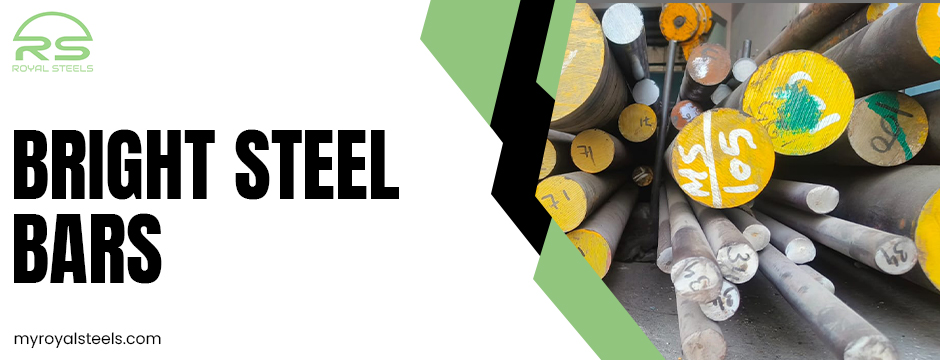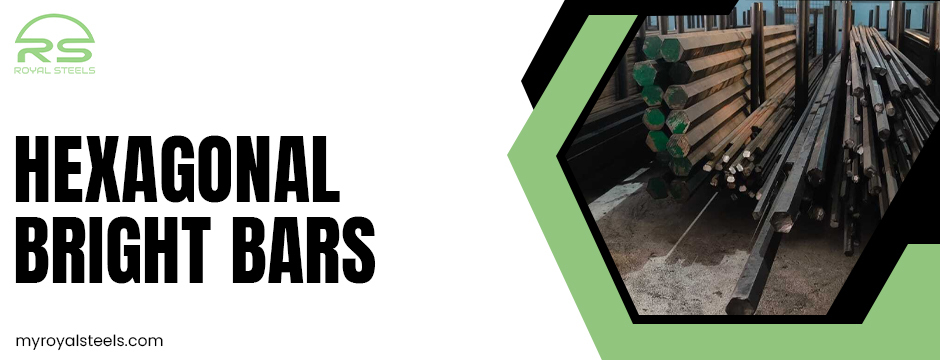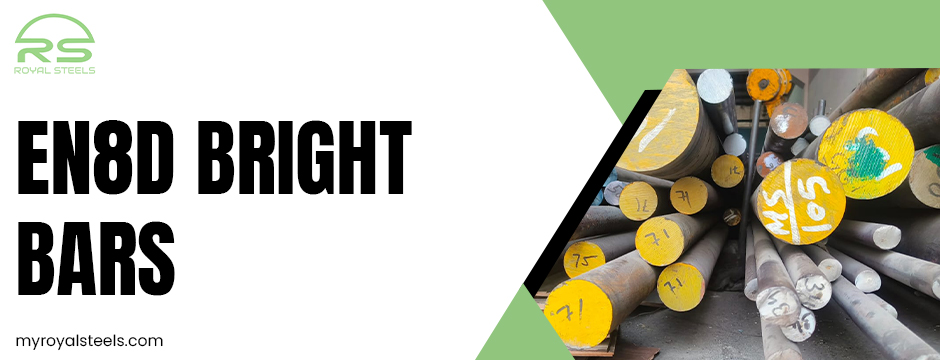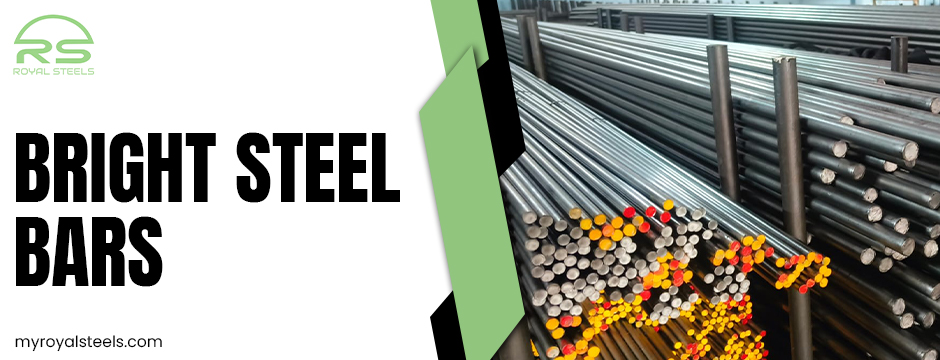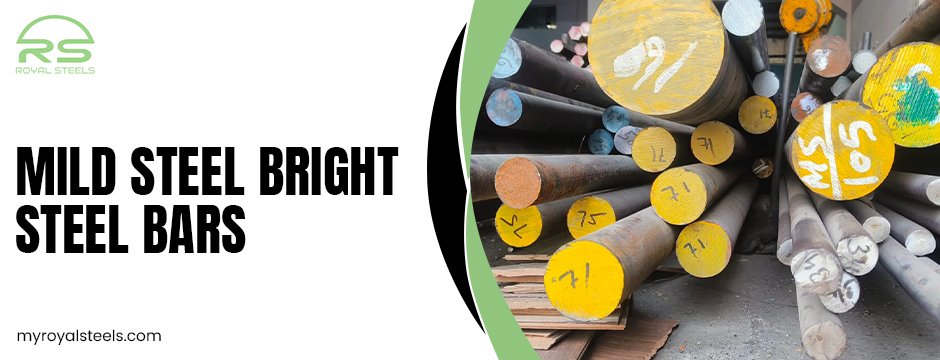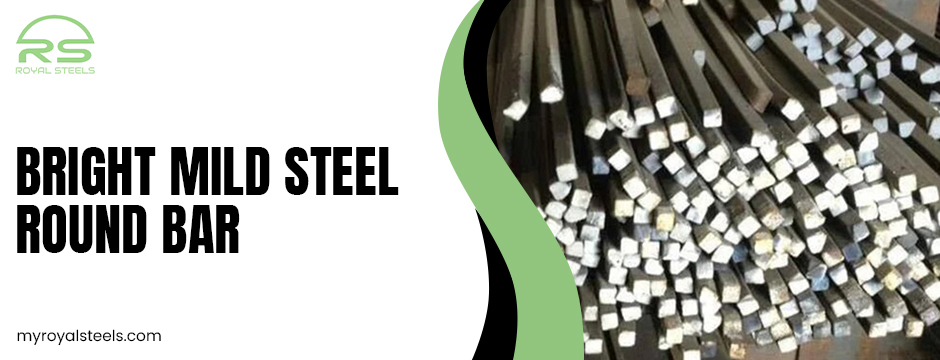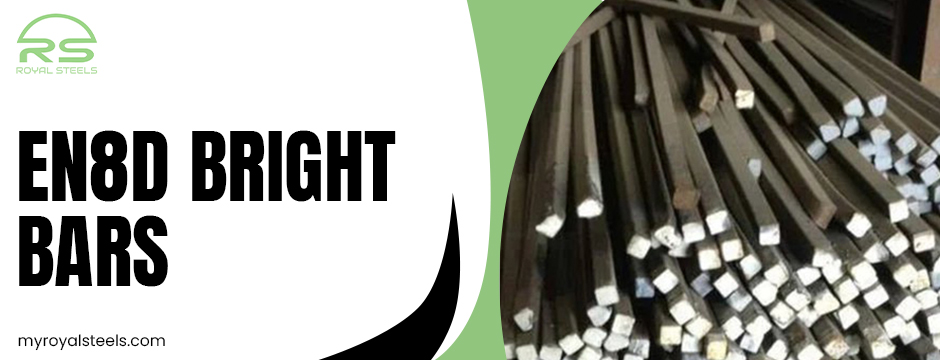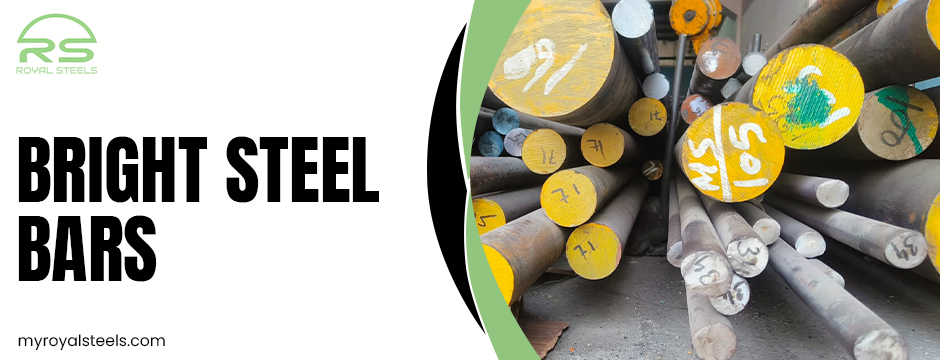
Leading Supplier of Bright Bar Delivering Excellence in Every Grade and Size

In modern manufacturing, material precision defines product performance. Industries today rely on components that meet strict dimensional and mechanical standards. This is where a leading supplier of bright bar plays a critical role.

Bright bars are not just steel products. They are engineered materials designed for accuracy, strength, and consistency. From automotive parts to heavy machinery, these bars support industries that demand reliability at scale. Therefore, choosing the right supplier becomes a strategic decision for any business.

What Makes a Leading Supplier of Bright Bar Stand Out

Not every supplier can meet industrial expectations. A leading supplier of bright bar focuses on consistency, quality control, and technical capability.

  • Firstly, the manufacturing process matters. Bright bars are typically cold-drawn, peeled, or ground. This improves surface finish, dimensional accuracy, and mechanical strength. As a result, they perform better than standard hot-rolled bars in precision applications.
  • Secondly, advanced production facilities ensure uniform output. Suppliers using modern equipment maintain tight tolerances and consistent straightness. This reduces machining time for end users and improves production efficiency.

Furthermore, experienced teams monitor every stage of production. This ensures that the final product aligns with industry specifications and customer requirements.

Understanding Bright Bar Grades and Their Importance

Different applications require different steel grades. A leading supplier of bright bar offers a wide range of materials to match these needs.

Common grades include carbon steels, alloy steels, and case-hardening steels. Each grade has specific properties such as tensile strength, hardness, and wear resistance.

For example:

  • EN8 / EN9 are widely used for shafts and general engineering parts
  • EN24 / SAE 4140 provide higher strength for heavy-duty components
  • SAE 52100 is preferred for bearings due to its high wear resistance

Moreover, suppliers often provide customised grades based on client specifications. This flexibility supports industries that require specialised performance standards.

Range of Sizes That Support Diverse Industrial Needs

Size availability is a key factor in supplier selection. A reliable supplier offers a wide dimensional range to support multiple applications.

Bright bars are commonly available in sizes ranging from 3 mm to 100 mm for bright steel round bar. Square bars typically range from 4 mm to 61 mm, while hex bars extend from 6 mm to 120 mm. Strip bars may vary from 10 × 6 mm up to 25.4 × 98 mm.

Statistically, industries such as automotive and engineering consume a large share of bars in the 8 mm to 40 mm range, especially for components like shafts, bolts, and fittings.

Additionally, standard lengths are usually around 3 meters (3000 mm). However, customised cut lengths are often provided to reduce material waste and improve operational efficiency.

This wide size range ensures that businesses can source materials without compromising on design or functionality.

Applications Across Key Industries

Bright bars are used across a wide spectrum of industries. Their precision and strength make them suitable for critical applications.

Automotive Sector

Bright bars are used in manufacturing engine components, shafts, fasteners, and suspension parts. Their dimensional accuracy ensures smooth assembly and long service life.

Heavy Engineering

Machinery parts such as gears, spindles, and axles rely on bright bars for strength and durability.

Textile Industry

Textile machinery requires components with smooth surfaces and consistent dimensions. Bright bars meet these requirements effectively.

Oil and Gas

Components used in drilling and pumping systems require high strength and corrosion resistance.

Defense and Infrastructure

Bright bars are used in structural components and equipment where reliability is essential.

Furthermore, industries like agriculture, mining, and construction also depend on these bars for manufacturing equipment and tools.

Surface Finish and Dimensional Accuracy: Why They Matter

One of the defining features of bright bars is their surface quality. A leading supplier of bright bar ensures a surface finish of around 30 Ra, which is significantly smoother than standard black bars.

This smooth finish reduces friction and improves performance in moving components. It also enhances the appearance of finished products where aesthetics matter.

Dimensional accuracy is equally important. Tight tolerances ensure that components fit perfectly without additional machining. Consequently, this reduces production costs and improves efficiency.

For industries working on high-precision assemblies, even minor deviations can lead to failures. Therefore, accuracy is not optional. It is essential.

Bright Bar vs Black Bar: Key Differences

Understanding the difference between bright bars and black bars helps in making informed decisions.

Bright bars are cold worked, which results in better surface finish and dimensional precision. On the other hand, black bars are hot rolled and may have scale and surface irregularities.

While black bars are suitable for general applications, bright bars are preferred for precision engineering.

Additionally, bright bars offer improved mechanical properties due to the cold working process. This makes them more reliable for critical components.

Customisation and Supply Capability

Every business has unique requirements. A leading supplier of bright bar provides customisation options to meet specific needs.

This includes:

  • Custom sizes and lengths
  • Specific steel grades
  • Surface treatments
  • Heat treatment processes

Moreover, bulk supply capability is crucial for large-scale industries. Suppliers with strong logistics and inventory management systems ensure timely delivery.

Consistency in supply helps businesses maintain production schedules without interruptions. This is particularly important in sectors like automotive and manufacturing, where delays can lead to significant losses.

Quality Assurance and Compliance Standards

Quality assurance is the backbone of a reliable supplier. A leading supplier of bright bar follows strict quality control processes. This includes chemical composition testing, mechanical testing, and dimensional inspection.

Furthermore, adherence to standards such as IS, ASTM, and SAE ensures that products meet global requirements.

Traceability is another important factor. Suppliers maintain records of raw materials and production batches. This allows businesses to verify product quality and compliance at any stage.

Such practices build trust and ensure long-term partnerships.

Understanding EN18 Chemical Composition for Industrial Performance

The EN18 chemical composition reflects a balanced mix of carbon, manganese, and chromium, designed to deliver strength and durability. With carbon ranging from 0.35% to 0.45% and chromium up to 1.15%, this grade offers excellent toughness and wear resistance. Additionally, controlled levels of sulfur and phosphorus improve machinability without affecting performance. As a result, EN18 steel is widely preferred for shafts, gears, and engineering components where consistent mechanical properties and reliable performance are essential.

Practical Benefits for B2B Buyers

Choosing the right supplier offers several advantages for businesses.

  • Firstly, it improves product quality. High-grade materials result in better-performing components.
  • Secondly, it reduces operational costs. Accurate bars require less machining, saving time and resources.
  • Thirdly, it ensures reliability. Consistent supply and quality reduce the risk of production delays.
  • Finally, it supports scalability. Businesses can expand operations confidently when they have a dependable supplier.

Precision Steel Solutions You Can Rely On

At Royal Steels, we deliver high-quality bright bars engineered for accuracy, strength, and consistency. We offer a wide range of grades and sizes to match diverse industrial needs. Furthermore, our focus on quality control and timely delivery ensures smooth operations for your business. Partner with us for reliable bright steel round bar solutions that support performance and long-term growth.

Final Thoughts

Bright bars are essential materials for modern industries. Their precision, strength, and versatility make them suitable for a wide range of applications. However, the quality of these bars depends heavily on the supplier.

A leading supplier of bright bar brings together advanced manufacturing, strict quality control, and a deep understanding of industry needs. This combination ensures that businesses receive materials that meet both technical and commercial expectations.

If you are looking for a partner that delivers consistent quality across every grade and size, Royal Steels offers engineered bright bar solutions designed to support your industrial growth with reliability and precision.

Sales Office and Factory :

Plot No. 178, Phase – V, Sector – 53, HSIIDC,
Kundli  (Haryana)

Corporate Office :

20B/38A, Ground Floor,Tilak Nagar, New Delhi

Email:  info@myroyalsteels.com

Hours

8:30 AM – 8:30 PM
Monday—Saturday

Trusted Supplier of EN8D Bright Bars for Industrial Needs

Choosing the right steel grade is critical for performance, durability, and cost efficiency in industrial applications. Among various options, EN8D bright bars stand out as a reliable choice for engineering and manufacturing sectors. Known for their strength, machinability, and consistency, these bars are widely used across industries that demand precision and durability. Whether you are producing shafts, fasteners, or automotive components, selecting the right material can directly impact product quality and long-term performance.

What Makes EN8D Bright Bars a Preferred Choice

The popularity of EN8D bright bars comes from their balanced properties. They offer medium carbon strength with excellent machining characteristics. This makes them suitable for applications where both durability and ease of processing are required.

Furthermore, these bars are produced through cold drawing, which enhances surface finish and dimensional accuracy. As a result, manufacturers benefit from reduced finishing work and improved component precision. In high-volume production environments, this consistency helps maintain quality standards without increasing costs.

Understanding EN8D Material and Its Industrial Value

The strength of EN8D material lies in its versatility. It is a medium carbon steel that offers a good balance between strength and toughness. This makes it ideal for components that undergo moderate stress and require reliable performance over time.

Specifically, industries prefer EN8D material for parts such as shafts, studs, bolts, gears, and axles. These components require structural integrity along with machinability. Additionally, the material responds well to heat treatment, allowing manufacturers to further enhance hardness and wear resistance based on application needs.

EN8D Chemical Composition and Its Role in Performance

To fully understand the capabilities of this steel, it is important to look at the EN8D chemical composition. The composition typically includes carbon, manganese, silicon, and trace elements that contribute to its mechanical strength and durability.

Carbon content provides the base strength and hardness. Manganese improves toughness and wear resistance. Silicon helps enhance strength without reducing ductility. Together, this EN8D chemical composition ensures that the material performs reliably under mechanical stress while maintaining good machinability.

Moreover, controlled composition ensures consistency across batches. This is especially important for industries where precision and repeatability are critical.

Applications of EN8D Bright Bars Across Industries

The real value of EN8D bright bars becomes clear when you look at their wide range of applications. These bars are used in:

Automotive Industry

They are commonly used in manufacturing crankshafts, gears, and suspension components. Their strength and durability make them ideal for moving parts that require consistent performance.

Engineering and Machinery

Machine components such as shafts, couplings, and fasteners are often made using these bars. Their machinability allows for precise shaping and finishing.

Heavy Equipment Manufacturing

In heavy engineering, components must withstand pressure and load. These bars provide the required strength while maintaining structural stability.

General Fabrication

They are also used in general fabrication for making bolts, studs, and other structural parts where reliability is essential.

Consequently, their adaptability makes them suitable for both small-scale and large-scale production environments.

Benefits of Using EN8D Bright Bars in Manufacturing

When manufacturers choose EN8D bright bars, they gain several practical advantages:

  • High Strength: Suitable for load-bearing components
  • Excellent Machinability: Reduces processing time and tool wear
  • Consistent Surface Finish: Minimises additional finishing work
  • Good Heat Treatment Response: Allows customisation based on application
  • Cost Efficiency: Balances performance with affordability

These benefits make them a smart choice for industries aiming to improve productivity without compromising quality.

How EN8D Material Supports Precision Engineering

Precision engineering requires materials that perform consistently under strict tolerances. This is where EN8D material becomes highly valuable. Its uniform structure allows manufacturers to achieve accurate dimensions during machining.

Additionally, the material’s ability to maintain stability during processing reduces the risk of deformation. This is important for components that must fit perfectly within mechanical systems. As a result, industries that rely on high precision often prefer this grade for critical parts.

Choosing the Right Supplier for EN8D Bright Bars

Selecting the right supplier is just as important as choosing the material itself. A reliable supplier ensures consistent quality, accurate dimensions, and timely delivery.

Look for suppliers who provide:

  • Verified material quality and testing standards
  • Consistent size availability
  • Proper finishing and tolerance control
  • Transparent specifications and documentation

Furthermore, a trusted supplier understands industrial requirements and can guide you in selecting the right grade and size for your application.

EN8D chemical composition

EN8D Chemical Composition and Quality Assurance

Quality assurance plays a major role in industrial material selection. The EN8D chemical composition must be carefully controlled to ensure performance consistency. Reliable suppliers conduct thorough testing to confirm that each batch meets required standards.

This includes checking mechanical properties, surface finish, and dimensional accuracy. Proper testing ensures that the material performs as expected in real-world conditions. Consequently, businesses can reduce the risk of component failure and maintain production efficiency.

Why EN8D Bright Bars Are a Long-Term Investment

Industrial materials should not only meet current needs but also support long-term performance. EN8D bright bars provide durability, reliability, and adaptability, making them a valuable investment for manufacturers.

They help reduce maintenance costs, improve product lifespan, and support efficient production processes. Additionally, their versatility allows them to be used across multiple applications, reducing the need for multiple material types.

Engineered Strength You Can Rely On

At Royal Steels, we deliver high-quality EN8D bright bars designed for precision, durability, and consistent performance. We understand the demands of modern industries, so we focus on supplying materials that meet strict standards and real-world applications. 

Our range supports automotive, engineering, and manufacturing needs with reliable quality and finish. With a commitment to accuracy, timely supply, and customer-focused service, we help businesses build stronger, more efficient products with confidence.

Final Thoughts

In conclusion, EN8D bright bars offer a strong combination of strength, machinability, and consistency. Their balanced properties, supported by a reliable EN8D chemical composition, make them suitable for a wide range of industrial applications. From automotive components to heavy machinery, these bars deliver dependable performance where it matters most.

For businesses seeking quality and reliability, choosing the right supplier is key. A trusted partner ensures that you receive materials that meet your exact requirements and support your production goals.

If you are looking for dependable solutions tailored to industrial needs, Royal Steels offers a wide range of bright bars designed to deliver performance, consistency, and long-term value.

Chemical Composition of Steel Bars: Buyer’s Practical Guide

When industrial buyers compare steel grades, size, and finish are only part of the decision. The real performance of a bar starts with its chemical composition. It affects strength, machinability, weldability, fatigue life, hardness, and suitability for different operating conditions. Whether the material is used in automotive parts, shafts, tools, machinery, or structural components, the internal makeup of the steel plays a direct role in how it performs in service.

For buyers, this is not just a technical detail. It is a practical factor that helps reduce failure risk, improve product life, and support accurate material selection. Furthermore, understanding steel chemistry makes it easier to match the right grade to the right industrial use.

Why Chemical Composition Matters in Steel Selection

Every steel bar is made from a controlled mix of elements. These may include carbon, manganese, silicon, sulfur, phosphorus, chromium, nickel, molybdenum, vanadium, and others, depending on the grade. Each element changes the steel in a specific way.

For example, carbon usually increases hardness and strength, while manganese can improve toughness and wear behavior. Chromium often supports strength and corrosion resistance. Sulfur may improve machinability in selected grades. Consequently, even small changes in the mix can influence how the steel behaves during machining, fabrication, or end use.

This is why experienced buyers do not look at dimensions alone. They study the chemical composition before approving a material for production.

Understanding the Role of Key Elements

A practical buying decision becomes easier when the major elements are understood clearly.

Carbon and Strength

Carbon is one of the most influential elements in steel. Higher carbon content generally improves hardness and tensile strength. However, it can also reduce ductility if not balanced properly. That is why buyers must match the carbon level to the part’s working requirement.

Manganese and Toughness

Manganese helps improve hardness and impact strength. It also supports the steel during heat treatment. In many engineering grades, it contributes to reliable performance under repeated load.

Chromium, Nickel, and Molybdenum

These alloying elements are often used when a steel bar needs higher strength, better wear resistance, or improved response to heat treatment. Specifically, they are important in grades used for shafts, gears, machine parts, and demanding industrial applications.

Sulfur and Machining Performance

Sulfur is often discussed from a production point of view. In controlled amounts, it can support easier machining. For buyers making large quantities of turned components, this matters in real cost terms.

Chemical Composition and Mechanical Performance

The relationship between material chemistry and real-world performance is direct. A steel bar with the right balance of elements can offer better fatigue resistance, more consistent machining, and stronger service life. On the other hand, a poor match between grade and use can lead to unnecessary wear, cracking, or process inefficiency.

This becomes especially important in sectors such as automotive, mining, pumps, railways, heavy engineering, and defense. In such fields, bars are often used for precision parts, moving components, or load-bearing applications. Therefore, the chemical composition should always be reviewed alongside mechanical properties, tolerance requirements, and surface finish.

How Industrial Buyers Use Grade Data in Practice

Most buyers are not selecting steel for theory. They are selecting it for a job. A shaft requires one performance profile. A fastener requires another. A conveyor component, a gear blank, and a cold-headed part will each demand different material behavior.

That is why grade charts and technical sheets are so useful. They allow purchasing teams, production heads, and engineers to compare steel types based on actual composition ranges. From there, they can shortlist grades that match the production method and application environment.

For example, buyers sourcing hexagonal bright bars often need more than dimensional accuracy. They may also require high strength, reliable machining, and consistency across batches. In such cases, reviewing the chemical composition becomes part of risk control, not just documentation.

EN18 as a Common Engineering Reference

Among widely used engineering steels, EN18 is often discussed because it offers a practical balance of strength, toughness, and machining potential. It is commonly selected for components such as shafts, studs, bolts, gears, and other machine parts.

Looking at EN18 chemical composition helps buyers understand why this grade is so widely accepted. Its alloying balance supports performance in engineering applications that demand more than basic mild steel can offer. This makes it relevant in workshops, OEM supply chains, and heavy-duty manufacturing.

When buyers assess EN18 chemical composition, they are not just checking a sheet. They are confirming that the material can support the process route and the final application without compromise.

hexagonal bright bars

Why Hexagonal Bright Bars Need Closer Technical Review

Shape also affects buying decisions. Hexagonal bright bars are widely used in automotive, spring manufacturing, machinery, metallic cookware, and precision component production. Their profile is useful in many machining and fastening applications. However, the geometry alone does not define performance.

The grade behind the profile matters just as much. Buyers sourcing hexagonal bright bars should review not only finish and size range, but also material chemistry, yield behavior, and application suitability. This is particularly important when the bars are expected to perform under load, stress, or repetitive industrial use.

In many cases, hexagonal bright bars are produced from hot-rolled black bars and then processed for a better finish and improved mechanical characteristics. That improvement is valuable, but the base material still needs to be chemically suitable for the job.

Questions Buyers Should Ask Before Finalizing Material

A smart buying process usually includes a few technical checkpoints.

Is the Grade Suitable for the End Use?

A steel bar meant for decorative furniture will not need the same performance as one used in engines or mining equipment. Match the grade to the working condition.

Does the Supplier Provide Composition Data?

A reliable supplier should be able to share grade-specific details, mill documentation, or a technical chart. This helps buyers verify requirements before production starts.

Is There a Need for Heat Treatment or Further Processing?

Some grades perform best after heat treatment, while others are selected for machining ease or immediate use. Material choice should reflect the planned production route.

Are Industry Applications Being Considered Properly?

If the bars are for pumps, defense equipment, railway parts, agricultural machinery, or cold-headed components, the buyer should assess both chemistry and end-use stress factors. This is where EN18 chemical composition can become especially useful for more demanding engineering parts.

EN18 chemical composition

Making Better Buying Decisions

Industrial buying works best when technical clarity comes early. Price matters, but price without grade understanding can create higher costs later through rejection, failure, or rework. A buyer who understands chemical composition is better positioned to ask the right questions, compare suppliers more intelligently, and support smoother production outcomes.

In addition, knowing how composition affects machinability, durability, and strength helps cross-functional teams work better together. Procurement, production, quality, and engineering all benefit from a clearer material decision.

Precision Steel for Demanding Industries

At Royal Steels, we deliver bright steel bars built for strength, accuracy, and dependable industrial performance. We manufacture round, square, hexagonal, and strip bright bars for sectors that demand quality, consistency, and technical reliability. With application-focused solutions and trusted material standards, we help businesses choose steel products that support smooth production and long-term performance.

Final Thoughts 

For industrial buyers, steel selection should never stop at size, finish, or appearance. The real value of a steel bar begins with its chemical composition, because that is what shapes performance from machining to final service. A practical understanding of grade chemistry supports better quality, lower risk, and stronger purchasing decisions.Whether you are sourcing precision bars, engineered profiles, or application-specific steel products, taking time to review composition data is always a smart step. For buyers looking for dependable bright bar solutions backed by technical understanding, Royal Steels is one name worth exploring.

Why EN8D Bright Bars Are Preferred for High-Strength Engineering Parts

In engineering, material choice affects performance, service life, and safety. That is why EN8D bright bars are widely preferred for parts that must handle load, wear, and repeated movement. This steel grade offers a useful mix of strength, hardness, machinability, and dimensional consistency. As a result, it suits many precision components used across automotive, heavy engineering, agriculture, and industrial machinery.

Understanding the Role of EN8D in Engineering

EN8D is a medium carbon steel grade known for higher strength than lower-carbon alternatives in the same family. Its chemical range includes carbon at 0.40–0.45, manganese at 0.70–0.90, silicon at 0.05–0.35, with sulphur and phosphorus each limited to 0.06 max. That higher carbon level is a major reason for its hardness and wear resistance.

When supplied in bright bar form, the product also gains a smoother surface finish and better dimensional accuracy than regular black bar. Consequently, it becomes more suitable for precision machining and close-tolerance applications. For buyers comparing grades, reviewing the EN8A chemical composition can help explain why EN8D performs better in more demanding mechanical conditions.

Why EN8D Bright Bars Stand Out in High-Strength Applications

The main reason engineers choose this grade is simple: it performs well where strength matters. In real production environments, many components must resist bending, twisting, impact, and surface wear. A softer material may machine easily, but it may not last under repeated stress.

This is where EN8D bright bars offer a practical advantage. They are commonly selected for axles, gears, pins, spindles, and other machine parts that need dependable mechanical performance. Furthermore, the bright bar finish improves consistency during turning, grinding, and fitting operations. That helps reduce variation during batch production.

Another important point is reliability in service. When parts are used in moving assemblies, material stability becomes critical. A stronger grade supports better load-bearing performance, especially where parts operate under pressure or vibration for long periods.

Chemical Composition and Why It Matters

Steel performance starts with chemistry. The higher carbon content in EN8D is what gives it improved hardness and strength. Manganese contributes to toughness and hardenability, while silicon supports strength and general steel quality. Sulphur and phosphorus are kept low to maintain acceptable performance and reduce the risk of brittleness.

By contrast, the EN8A chemical composition contains lower carbon at 0.33–0.38. That difference may seem small on paper, yet it changes the material behaviour in a meaningful way. EN8A is generally tougher and slightly easier to machine, while EN8D is better where higher hardness and wear resistance are required.

For engineers working across different EN grades, checking an EN series material list PDF is often helpful during specification review. It allows quick comparison between grades such as EN8A, EN8B, EN8C, and EN8D before finalising a drawing or purchase order.

Key Benefits for Precision Manufacturing

Better Strength for Loaded Components

Many engineering parts are exposed to torque, impact, or friction during operation. In these cases, material failure is not an option. EN8D bright bars support stronger finished parts, making them suitable for demanding mechanical environments.

Good Surface Finish and Dimensional Accuracy

Bright bars are cold finished, so they typically offer a cleaner surface and tighter tolerances. This reduces extra machining time and supports a better fit in bearings, shafts, and mating assemblies.

Suitable for Wear-Prone Applications

Components such as gears, pins, and spindles often face repeated contact and movement. A stronger steel grade helps these parts maintain shape and function over time.

Practical Machinability

Although harder than EN8A, EN8D still offers workable machinability for many common shop operations. With proper tooling and process control, manufacturers can produce accurate parts without unnecessary complications.

Where EN8D Works Best

The value of this grade becomes clearer when you look at actual use cases. EN8D bright bars are often chosen for:

Axles and Shafts

These parts must handle rotational force and load without losing shape. A stronger bar helps maintain performance over long service cycles.

Gears and Pinions

These require hardness and wear resistance, especially in systems with repeated motion and contact.

Spindles and Pins

Precision matters here. The bright finish supports accurate machining, while the steel strength improves durability.

General Engineering Components

Machine builders also use this grade in couplings, fixtures, supports, and parts that need dependable structural behaviour.

In many factories, grade selection depends on application risk. If the part is under moderate duty, EN8A may be enough. If the part sees higher stress, EN8D usually becomes the more sensible choice.

EN8D vs EN8A: A Practical Selection Guide

This comparison matters because buyers often choose between these two grades. The EN8A chemical composition shows lower carbon, which gives it slightly better ductility and easier machining. That makes EN8A a good option for studs, bolts, general shafts, and parts where toughness is more important than hardness.

EN8D moves the balance in a different direction. It gives more strength, more hardness, and better wear resistance. However, it is slightly less ductile and less weld-friendly. So the decision should come from the actual working condition of the component, not from price alone.

If your application involves friction, repeated load, or long-term mechanical stress, EN8D bright bars are usually the better fit. If your focus is easier machining with moderate strength, EN8A may be sufficient. Many purchasing teams use an EN series material list PDF during this stage to compare grades before raising a material request.

Things Buyers Should Check Before Ordering

Choosing the right steel grade is only part of the decision. Product form and finish also matter. Before placing an order, it is smart to review:

  • required diameter or section size
  • tolerance range
  • surface finish expectations
  • straightness requirements
  • machining allowance
  • intended application

For example, bright bars are available in round, square, hex, and strip forms. Round bars are often used for shafts and precision machine parts. Hex bars are useful in fasteners and fittings. Square sections may suit rails, supports, and special machine components. This is why specification clarity is important at the procurement stage.

It is also useful to check supporting documents such as test certificates, grade confirmation, and an EN series material list PDF when comparing available stock with design requirements.

Do Bright Bars Rust?

Yes, bright bars can rust over time if they are not stored or protected properly. The bright finish improves appearance and machining readiness, but it does not make the steel corrosion-proof. Oil coating, proper packing, and dry storage help reduce the risk. This point is important for inventory teams, especially when bars are held before machining or dispatch.

Built for Strength, Trusted for Precision

At Royal Steels, we take pride in supplying high-quality bright bars designed for strength, accuracy, and dependable performance. We serve diverse industries with precision-engineered steel solutions, including round, square, hex, and strip bright bars tailored to demanding applications. 

Our focus is on consistent quality, reliable sizing, and practical support that helps manufacturers choose the right material with confidence. With our commitment to durability and engineering value, we help businesses build stronger and longer-lasting components.

Final Thoughts on Material Choice

Strong engineering parts begin with the right raw material. EN8D bright bars continue to be preferred because they offer the kind of strength, hardness, finish, and usability that many industrial applications demand. From gears and spindles to shafts and pins, they support reliable manufacturing and longer service life.

When comparing options, the EN8A chemical composition is useful for understanding how lower-carbon grades behave differently. That comparison helps engineers match the grade to the job instead of making assumptions. In conclusion, if your application calls for higher strength and better wear resistance, EN8D bright bars are a smart and proven choice. 

For dependable supply and practical product guidance, Royal Steels is worth exploring as your next sourcing partner.

How to Choose High-Quality Round Bright Bars for Your Industry

Selecting the right round bright bars is critical for industries that depend on precision, durability, and consistent performance. Whether you manufacture automotive components, heavy machinery, conveyor shafts, or engineering tools, the quality of steel directly affects output reliability.

However, not all bright bars are the same. Differences in manufacturing process, surface finish, tolerance control, and raw material sourcing can significantly impact performance. This guide will help you evaluate the right specifications for your application and make an informed purchase decision.

Understanding Round Bright Bars and Their Industrial Role

Round bright bars are cold-drawn steel bars known for their smooth surface finish and dimensional accuracy. Because they are processed at lower temperatures than hot-rolled steel, they offer tighter tolerances and improved straightness.

Industries use round bright bars in shafts, bearings, fasteners, precision machine components, and structural assemblies. Their clean surface reduces machining time. Furthermore, their controlled mechanical properties enhance fatigue life in rotating applications.

If your operation involves high-speed motion or load-bearing components, material consistency becomes even more important.

Manufacturing Process: Why It Matters

The performance of steel starts with how it is processed.

Cold Drawing and Surface Finish

Cold drawing improves dimensional control. It also refines the surface finish, often achieving much smoother results compared to black bars. Consequently, machining operations become more efficient.

High-quality, round bright bars typically have improved surface roughness values. This is essential for bearing fits and mechanical assemblies where transition tolerance is required.

Raw Material Selection

The chemical composition determines strength and machinability. Low-carbon mild steel offers flexibility and easier shaping. Higher grades improve tensile strength.

Ask suppliers about billet sourcing and traceability. Certified raw materials ensure reliability in demanding applications such as automotive or defense manufacturing.

Key Technical Factors to Evaluate

Before finalizing a supplier, review these essential parameters carefully.

1. Dimensional Tolerance

Precision applications require strict tolerance adherence. Shafts and couplings must fit accurately without excessive play. Therefore, request documented tolerance standards.

2. Straightness

Improper straightness can increase machining rejection rates. Furthermore, it may cause vibration issues in rotating equipment.

3. Mechanical Properties

Yield strength, tensile strength, and elongation values should match your engineering drawings. This is especially important for load-bearing parts.

4. Surface Integrity

Micro-cracks or surface defects reduce fatigue life. Reliable manufacturers test for defects before dispatch.

When comparing options, ensure the round bright bars meet your specific performance criteria rather than generic specifications.

Matching Steel Type to Industry Application

Different industries demand different characteristics.

Automotive Sector

Automobile manufacturers require precise steel for engine parts, shafts, and fasteners. Even minor deviations can affect assembly performance. For such sectors, choose high-accuracy, round bright bars with consistent hardness values.

Heavy Engineering

Large machines require durability and load resistance. Bars used in equipment frames or structural assemblies must withstand stress over long periods.

Textile and Machinery Manufacturing

In textile machinery, smooth rotation is essential. Surface finish plays a critical role. Steel used in spindles and shafts must be dimensionally stable.

Oil, Mining, and Defense

Harsh environments demand strength and reliability. Material failure in these industries leads to operational downtime. Therefore, quality testing and supplier credibility are crucial.

Round vs Square: When Shape Selection Matters

While round profiles are common for shafts and rotating components, square bright bars serve different purposes. They are widely used in rails, fixtures, and structural applications where flat surfaces are required.

Unlike square bright bars, circular profiles distribute stress evenly around the axis. This makes them ideal for rotating machinery. However, square sections provide better grip for certain fabrication tasks.

In some manufacturing units, both square bright bars and round sections are stocked to serve varied operational needs. Understanding geometry requirements helps avoid material mismatch and unnecessary machining.

Corrosion Considerations and Storage

Bright bars can develop rust if exposed to moisture for extended periods. However, protective oil coating and proper storage reduce this risk.

It is important to note that the difference between bright and black steel lies in processing temperature, not inherent corrosion resistance. Therefore, do not assume improved rust resistance without surface protection.

Store steel in dry, covered environments. Use protective wrapping for long-term inventory.

Supplier Evaluation Checklist

Choosing the right supplier matters just as much as choosing the right material.

Quality Control Systems

Ask whether the supplier conducts mechanical testing and surface inspections. Documentation reflects professionalism.

In-House Manufacturing

Suppliers who manage production internally maintain better consistency. Outsourcing may introduce variability.

Inventory Capability

Large warehouses reduce lead times. Timely delivery prevents production delays.

Distribution Network

Reliable logistics ensure materials reach you safely and on schedule.

Professional manufacturers understand the operational impact of delayed shipments.

Cost vs Value: Making the Right Investment

Price should never be the only deciding factor. Cheaper steel often results in higher rejection rates during machining. Consequently, total production costs increase.

High-grade round bright bars may have a slightly higher upfront cost. However, they reduce scrap rates, enhance performance, and improve end-product quality.

Calculate lifecycle value instead of purchase price alone.

Industry-Specific Sizing and Customization

Steel bars are available in various diameters depending on application needs. Smaller diameters suit fasteners and precision components. Larger sizes are ideal for heavy shafts and structural assemblies.

Discuss your exact size requirements before placing bulk orders. Custom length cutting reduces waste and improves operational efficiency.

If your operation uses mixed geometries, evaluate whether you require both circular and square bright bars for different fabrication tasks.

Royal Steels – Precision You Can Rely On

At Royal Steels, we combine technical expertise with disciplined manufacturing to deliver reliable bright steel bars for demanding industries. Our professional team oversees every stage, from sourcing certified raw materials to precision cold drawing and strict quality inspections. Furthermore, our structured workflow, in-house testing, and large warehouse network ensure timely deliveries without compromising standards. 

We manufacture a wide range of grades and sizes to meet exact specifications, helping you achieve consistent performance and long-term operational efficiency.

Final Thoughts: Choosing with Confidence

Choosing steel is not just about dimensions. It involves understanding application stress, machining requirements, and environmental conditions. The right round bright bars enhance equipment life, reduce operational downtime, and support manufacturing precision. Evaluate manufacturing quality, tolerance standards, and supplier reliability before making a decision.

In conclusion, a careful assessment of technical parameters, supplier credentials, and application needs will help you select material that delivers consistent industrial performance.

If you are looking for dependable sourcing backed by quality control and industry expertise, you may explore solutions from Royal Steels to find bright bar options suited to your operational requirements.

EN8D Bright Bars Supplier: Grades, Sizes, and Customization Options

Choosing the right supplier for EN8D bright bars is not just about price. It is about consistency, mechanical reliability, and dimensional accuracy. Procurement teams in automotive, heavy engineering, and transmission manufacturing often require detailed specifications before placing orders.
This guide explains grades, sizes, the manufacturing process, and customization options. It will help buyers make technically sound decisions with confidence.

What Makes EN8D Bright Bars Suitable for Engineering Applications?

EN8D (080A42) is a medium-carbon steel known for strength and machinability. It is widely used where high tensile properties and good wear resistance are required.

Typically, EN8D bright bars offer:

  • Tensile strength around 700–850 N/mm²
  • Minimum yield strength of 450 N/mm²
  • Elongation of about 16%
  • Hardness range of 170–255 HB

Because of these properties, they are suitable for shafts, gears, bolts, and crank components. Furthermore, their bright-drawn finish ensures better dimensional tolerance than hot-rolled steel.

Chemical Composition and Mechanical Properties

Before finalizing procurement, buyers often request a chemical composition pdf from the supplier. This document confirms material compliance.

Typical Chemical Composition

  • Carbon: 0.40–0.45%
  • Manganese: 0.70–0.90%
  • Silicon: 0.10–0.35%
  • Sulfur & Phosphorus: Maximum 0.05%

This balanced chemistry provides strength without sacrificing machinability. Consequently, the material performs well in precision engineering environments.

Mechanical property verification should always be supported by mill test certificates along with the chemical composition pdf for audit purposes.

Manufacturing Process: From Hot Rolled to Bright Finish

The quality of EN8D bright bars depends heavily on processing.

The typical production method involves:

  1. Descaling hot-rolled black bars
  2. Cold drawing through tungsten carbide or high-speed steel dies
  3. Straightening
  4. Cutting to the specified length
  5. Optional stress-relieving or heat treatment

Cold working improves dimensional accuracy, straightness, and surface finish. Specifically, it enhances tolerance control, which is essential for bearing fits and shaft applications.

Unlike black bars, bright drawn steel undergoes additional finishing. This makes it more suitable for precision components.

Available Sizes and Standard Lengths

Understanding size availability is crucial when planning machining operations.

Standard Bright Bar Sizes

  • Diameter range: 4 mm to 90 mm
  • Common commercial range: 4 mm to 76 mm
  • Popular small sizes: 6 mm to 12 mm
  • Standard length: Approximately 3 meters (118 inches to 3000 mm)

For specific requirements, suppliers can offer cut-to-length options.

Round Bright Bars for Precision Machining

Among different profiles, round bright bars are widely used for shafts, bolts, and rotating parts. They are available in small diameters for nut bolts as well as larger diameters for heavy-duty shafts.

Many OEMs prefer round bright bars because they meet transition fit tolerance requirements for bearings.

Profiles Beyond Round: Square, Hex, and Strip

While round profiles dominate the market, other shapes serve different applications.

Square Bright Bars

  • Size range: 4 mm to 61 mm
  • Suitable for material handling rails
  • Good fatigue resistance

Hex Bright Bars

  • Size range: 6 mm to 120 mm
  • Yield strength up to 80% higher than hot-rolled steel
  • Ideal for fasteners and industrial hardware

Strip Bright Bars

  • Sizes from 10 × 6 mm to 25.4 × 98 mm
  • High tensile strength
  • Used for galvanized components

Although round bright bars are common, selecting the correct profile ensures machining efficiency and material optimization.

round bright bars

Customization Options for Industrial Buyers

Every manufacturing setup has unique requirements. Therefore, customization becomes essential.

Suppliers typically offer:

  • Custom cut lengths
  • Specific tolerance requirements
  • Heat-treated condition
  • Peeled or ground finish
  • Special packaging for export
  • Batch traceability documentation

Additionally, buyers may request a chemical composition pdf along with hardness reports for internal quality validation.

When ordering large volumes, discuss dimensional tolerances clearly. This avoids rejection during inspection.

EN8D Bright Bars vs Black Bars

Many procurement teams ask whether black bars can substitute bright bars. Black bars are hot rolled at temperatures above 1700°F. They have a dark blue surface and comparatively lower dimensional precision.

On the other hand, EN8D bright bars are cold worked. This provides:

  • Improved surface finish
  • Better straightness
  • Higher-dimensional control
  • Reduced machining allowance

Therefore, for applications like conveyor shafts or crank components, bright bars are generally preferred.

Industry Applications Across Sectors

The versatility of EN8D bright bars allows usage across industries.

Automotive Industry

Used for:

  • Transmission shafts
  • Studs and bolts
  • Engine components

Heavy Engineering

Common diameters include 50 mm, 63 mm, and 76 mm for machinery parts.

Textile Machinery

Sizes around 38 mm and 40 mm are frequently specified.

Oil and Petroleum

Bars in 20 mm and 22 mm diameters are used in equipment fabrication.

Defense and Mining

Medium to large-diameter bars serve high-stress structural components.

Round bright bars are particularly important in rotating systems and gear assemblies.

Surface Finish and Corrosion Considerations

Bright bars may develop rust if exposed to moisture. However, applying protective oil enhances resistance during storage and transit. Cold drawing affects surface finish but does not directly change corrosion properties. Therefore, proper storage practices are recommended.

When exporting, always confirm the packaging method and rust preventive measures with the supplier.

Documentation and Quality Control

Reliable suppliers maintain strict quality checks throughout manufacturing.

You should expect:

  • Mill test certificate
  • Mechanical test report
  • Dimensional inspection report
  • Chemical composition pdf
  • Batch traceability

These documents ensure transparency and reduce risk in high-value industrial procurement. Furthermore, advanced manufacturing facilities use calibrated measuring instruments to maintain tolerance consistency.

Selecting the Right EN8D Bright Bars Supplier

Choosing a supplier requires technical evaluation.

Consider the following:

  • In-house cold drawing capability
  • Heat treatment facilities
  • Quality control systems
  • Customization flexibility
  • Supply chain reliability
  • Experience in your target industry

Request sample inspection reports before placing bulk orders. This allows validation of dimensional and mechanical parameters.

Precision You Can Trust – Royal Steels

At Royal Steels, we manufacture high-performance bright steel bars designed for demanding industrial applications. We specialize in EN8D and other engineering grades, offering precise dimensional tolerance, superior surface finish, and customizable sizes. Furthermore, we maintain strict quality control and provide complete documentation for every batch. From automotive shafts to heavy machinery components, we deliver reliable steel solutions tailored to your specifications, ensuring consistent strength, machinability, and long-term performance.

Final Thoughts

EN8D bright bars remain one of the most widely used medium-carbon steel solutions in engineering applications. Their strength, machinability, and surface finish make them suitable for shafts, gears, and high-stress components.

When selecting a supplier, prioritize manufacturing capability, documentation transparency, and customization support. A reliable partner ensures consistent quality across batches.

For industrial buyers seeking precision-driven bright steel solutions backed by strict quality control and customization flexibility, Royal Steels offers engineered products tailored to demanding applications. In conclusion, informed procurement decisions today lead to reliable performance tomorrow.

What Sets Premium Bright Steel Bar Suppliers Apart in Today’s Market

In industrial procurement, quality is never optional. The performance of shafts, fasteners, spindles, and precision components depends heavily on the steel you choose. That is why selecting the right bright steel bar suppliers has become a strategic decision rather than a routine purchase.

Today’s market is competitive. However, only a few suppliers consistently deliver precision, reliability, and technical value. So, what truly separates premium suppliers from the rest? Let’s examine the factors that matter most to manufacturers, fabricators, and engineering buyers.

The Foundation: Precision Manufacturing Standards

Premium suppliers focus on manufacturing excellence from the start. They understand that dimensional accuracy is not just a specification; it is the backbone of machining efficiency.

Bright bars are produced through cold drawing, peeling, or grinding. This process improves surface finish and tolerance control. As a result, components require less machining and generate lower rejection rates.

For example, when producing automotive shafts, even a minor tolerance variation can cause vibration issues. A premium supplier eliminates such risks by maintaining strict process control.

In addition to that, the best manufacturers invest in advanced drawing dies, straightening machines, and inspection systems. Consequently, their products meet exact client requirements without compromise.

Why Material Integrity Matters More Than Price

Chemical Consistency and Grade Transparency

Not all steel is created equal. Reliable bright steel bar suppliers provide full traceability of raw materials. They clearly specify grades such as EN8, EN19, SAE 4140, or 16MnCr5.

This transparency builds trust. It also prevents costly production errors.

For instance, using the wrong grade in a gear application can reduce fatigue life. A premium supplier ensures the chemical composition aligns precisely with mechanical demands.

Mechanical Performance Validation

Beyond chemistry, mechanical properties must be verified. Yield strength, tensile strength, and hardness are critical for load-bearing parts.

Leading suppliers conduct tensile testing and hardness checks before dispatch. Therefore, buyers receive steel that performs as promised in real-world applications.

Superior Surface Finish and Straightness

Surface finish directly affects machining time. A smoother surface reduces tool wear. It also improves coating and plating results. High-end bright steel bar suppliers guarantee a uniform finish across batches. This consistency saves manufacturers hours of finishing work.

Straightness is equally important. In long-shafting applications, poor straightness leads to alignment issues. Premium suppliers use advanced straightening equipment to maintain tight straightness tolerances.

Specifically, this becomes vital in CNC machining where run-out must remain minimal.

The Role of Quality Control Systems

Quality control is not just inspection at the end. It is a controlled process from raw material intake to final dispatch. Professional suppliers maintain documented inspection protocols. They check dimensions, surface defects, and mechanical properties at multiple stages.

Moreover, certified labs and calibrated instruments ensure accurate readings. This systematic approach reduces variability. When sourcing Mild Steel Bright Steel Bars, consistent inspection protects buyers from batch-to-batch inconsistencies.

Customisation Capability: A Mark of True Expertise

Every industry has unique requirements. Automotive manufacturers need precise tolerance ranges. Construction projects may require different lengths or surface treatments. Premium bright steel bar suppliers offer tailored solutions. They provide cut-to-length options, specific diameter ranges, and custom packaging.

This flexibility shortens procurement cycles. It also eliminates secondary processing costs for buyers. Next, consider industries like aerospace or heavy machinery. Custom solutions reduce risk and improve assembly efficiency.

Reliable Supply Chain and Inventory Strength

A supplier’s operational strength often determines project success. Delays in steel delivery can halt entire production lines. Top-tier suppliers maintain structured warehousing systems. They categorize materials by grade, size, and application. Consequently, they respond quickly to urgent orders.

Furthermore, strong distribution networks ensure timely nationwide or global deliveries. When ordering Mild Steel Bright Steel Bars in bulk, reliable logistics prevent downtime and financial losses.

Technical Support That Adds Value

Premium suppliers do more than ship steel. They guide buyers in selecting the correct grade and finish. For example, if a manufacturer needs steel for high-speed rotating components, the supplier may recommend alloy grades over low-carbon options. This advisory role demonstrates real expertise.

In addition, technical teams can explain the differences between cold-drawn and hot-rolled bars. Such clarity improves purchasing confidence. Buyers who work closely with knowledgeable, bright steel bar suppliers often experience fewer production setbacks.

Compliance with Industry Standards

Industrial buyers increasingly demand compliance with national and international standards. Leading suppliers adhere to IS, SAE, EN, and JIS specifications. They also maintain documentation for audits and certifications.

Compliance ensures compatibility with global manufacturing systems. It also simplifies exports and regulatory checks. When sourcing Mild Steel Bright Steel Bars for regulated industries, documentation becomes as important as the product itself.

Mild Steel Bright Steel Bars

Investment in Advanced Manufacturing Technology

Technology separates average suppliers from industry leaders.

Modern facilities use automated drawing lines and precision straighteners. They implement digital monitoring systems to maintain consistency. As a result, manufacturing defects decrease significantly. Productivity improves as well.

Advanced infrastructure also allows suppliers to handle both small and high-volume orders efficiently. That scalability benefits buyers planning long-term growth.

Commitment to Ethical and Sustainable Practices

Today’s procurement decisions consider sustainability. Responsible suppliers minimize waste and optimize energy use during production. They also source raw materials from verified mills. Ethical sourcing strengthens brand credibility across the supply chain.

In the long run, sustainable practices reduce environmental risk and enhance corporate reputation.

Practical Use Cases Across Industries

Premium steel bars support multiple sectors:

  • Automotive: Transmission shafts, axles, steering components
  • Engineering: Precision tools and fasteners
  • Construction: Structural and load-bearing applications
  • Machinery Manufacturing: Spindles and rotating equipment

In each case, dimensional accuracy and mechanical strength remain essential. Therefore, experienced bright steel bar suppliers become valuable long-term partners rather than one-time vendors.

The Importance of Transparent Pricing

While cost matters, hidden expenses often matter more. Low-priced steel may lead to machining rework, tool damage, or product failure. Premium suppliers maintain competitive pricing while preserving quality.

Consequently, buyers achieve better overall cost efficiency. The focus shifts from price per kilogram to cost per finished component.

Building Long-Term Industrial Partnerships

A premium supplier prioritizes relationships. They understand recurring procurement patterns and anticipate demand. Such partnerships reduce negotiation friction. They also improve forecasting and inventory planning.

Furthermore, consistent collaboration fosters mutual growth. Buyers gain stability, while suppliers refine service quality. This partnership mindset distinguishes leading bright steel bar suppliers in a crowded marketplace.

Why Royal Steels Stand Apart as Trusted Bright Steel Bar Suppliers

At Royal Steels, we combine precision manufacturing, strict quality control, and dependable supply systems to serve industries that demand accuracy without compromise. As experienced bright steel bar suppliers, we focus on dimensional consistency, certified grades, and tailored solutions for automotive, engineering, and heavy machinery applications. 

Furthermore, we invest in advanced processing and transparent documentation to ensure reliability at every stage. Our goal is simple: deliver steel that performs exactly as your production demands.

Conclusion: where quality defines market leaders

The difference between average and premium suppliers lies in execution. Precision manufacturing, certified quality control, customisation, logistics strength, and technical expertise define the leaders. In today’s industrial environment, steel is not just a raw material. It is a performance driver. Manufacturers who choose experienced suppliers benefit from fewer production issues, lower rejection rates, and higher operational efficiency.If you are evaluating reliable partners for consistent, high-performance steel solutions, consider working with established names like Royal Steels, known for delivering precision-engineered products with a strong commitment to quality and service.

How to Select the Right Mild Steel Black Bars for Your Project

Choosing the right steel for a project feels confusing for many buyers. However, the right choice keeps your work safe and strong. Mild steel black bars are common in many projects because they give good strength and value. Many people still pick steel by price alone. That choice often brings trouble later. Poor selection can cause bending, cracks, or waste. Therefore, learning before buying always helps. This guide explains selection in simple steps. You will learn what to check and why it matters. Furthermore, you will see how small details affect results. The goal is simple. Help you choose steel that fits your work. When you choose well, your project runs smoothly. You also save time and money. So, let us walk through each step together.

Define Your Project Requirements First 

Every good choice starts with clear needs. First, think about your project type. Some projects carry heavy loads, while others need simple shapes. Therefore, write your purpose clearly. Next, decide where you will use the steel. Indoor spaces stay dry, but outdoor areas face rain and heat. That difference affects selection. Furthermore, check if you need bending or welding. Some jobs require more cutting and shaping, so easy-working steel helps. 

Also, plan your timeline. Urgent work needs ready stock, while longer projects allow custom sizes. Budget matters too, but always balance it with quality. Many builders compare options like mild steel black bars for general use. In addition, some review products from TMT bars manufacturers in India for reinforcement. Still, your own project goal should guide you. Clear planning prevents wrong orders and delays. Therefore, list your needs carefully. A simple plan supports better buying.

Choose the Correct Steel Grade 

Steel grade tells you how the metal behaves. It shows strength, softness, and durability. Therefore, grade selection is very important. Lower grades bend easily. Higher grades hold more load. However, harder steel can be tough to cut. So, match the grade with your work type. For example, simple frames need normal strength. Heavy supports need stronger grades. Furthermore, always ask for grade details from the seller. Written proof gives safety. Many buyers trust mild steel black bars because they suit many uses. Still, grades within that group can differ. 

Therefore, never assume all steel feels the same. Also, avoid overpaying for very high grade. That choice may not help your job. At the same time, very low grade can fail early. Balance is the key. When a grade fits the purpose, work becomes easier. You also avoid repair costs later. So, always confirm the grade before buying.

TMT bars manufacturers in India

Select the Right Size and Dimensions 

Size affects both strength and fit. Therefore, always check dimensions carefully. Start with diameter or thickness. Bigger sizes hold more load. Smaller sizes suit light work. Next, check length needs. Correct length reduces cutting waste. Furthermore, ask about tolerance limits. Small size changes can affect fitting. Good suppliers share clear numbers. Many workshops order mild steel black bars in standard sizes for easy planning. 

However, custom sizes help special designs. Also, think about transport and storage space. Very long bars need careful handling. In addition, confirm measurements with tools. Never rely only on guesses. The right size saves time during fabrication. It also keeps structures stable. Therefore, measure twice before ordering. Careful sizing avoids future trouble. A good fit makes assembly smooth.

Evaluate Mechanical Properties 

Mechanical properties show how steel reacts to force. Tensile strength shows pulling resistance. Yield strength shows bending limits. Ductility shows how much it stretches. Hardness shows surface toughness. Therefore, these values guide smart selection. Ask suppliers for property details. Written reports build trust. Many engineers prefer mild steel black bars for balanced properties. They often give good performance in daily work. 

However, each project needs review. Heavy loads need higher strength. Shaping work needs more ductility. Furthermore, balanced properties reduce sudden failure. So, never ignore these numbers. They protect your project. A good property match improves life span. It also lowers maintenance. Therefore, always review property data before buying.

Check Surface Condition and Finish

Surface tells you about quality. Look for cracks or deep marks. Small-scale layers are normal. However, heavy rust is a warning. Therefore, inspect bars in good light. Touch also helps feel defects. Many buyers choose mild steel black bars with clean surfaces for coating work. Smooth surfaces accept paint better. 

Furthermore, clean steel reduces prep time. That saves labour costs. Also, check edges for damage. Bent edges cause fitting issues. Therefore, never skip inspection. Good surface quality supports long life. It also improves the final look. Careful checking prevents waste.

Confirm Weldability and Machinability 

Many projects need welding or drilling. So, workability matters a lot. Steel with low carbon welds easily. It also cuts smoothly. Therefore, ask about workability before buying. Some fabricators trust mild steel black bars for easy handling. They often give stable welding results. However, test pieces help confirm behaviour. 

Furthermore, good machinability saves tool wear. It also speeds up work. That means lower cost. Therefore, match steel with your process. Easy-working steel reduces errors. It also keeps joints strong.

Verify Compliance with Standards 

Standards give common rules for quality. They set size and strength limits. Therefore, compliant steel feels reliable. Ask for test certificates. Papers should show grade and results. Many certified mild steel black bars meet known standards. 

That gives peace of mind. Furthermore, standards support repeat quality. You get similar steel each time. Also, certified steel suits big projects. Inspect documents carefully. Therefore, never skip this step. Papers protect your purchase.

Inspect Before Buying 

Inspection keeps you safe from defects. First, look along the full length. Check straightness with simple tools. Next, confirm the size with a scale. The surface should look even. Furthermore, review documents and labels. Many buyers inspect mild steel black bars in batches. Random checks reveal hidden issues. Also, compare pieces for a uniform look. Differences can signal problems. Therefore, take time to inspect. Quick checks prevent big loss. Careful buying protects your budget.

Balance Cost vs Quality

Price always influences buying decisions. However, low price alone should not guide you. Cheap material may bring hidden problems later. Therefore, think about long-term use and safety. Good quality often lasts much longer. That reduces repair and replacement costs. Furthermore, stable quality keeps your schedule safe. Delays often cost more than material. 

Also, poor steel can waste labour time. Workers struggle with cutting or fitting. So, value matters more than price. Compare quality, service, and reliability together. In addition, ask what testing supports the price. Clear answers show honest supply. Therefore, spend wisely, not blindly. Smart choices protect your project budget.

Choose a Reliable Supplier 

Supplier choice strongly affects project success. Good suppliers share clear and honest information. They explain grades, sizes, and delivery plans. Therefore, talk and ask questions freely. Notice how they respond to doubts. Fast and clear replies build trust. 

Furthermore, check their past work history. Long experience often shows stable service. Good suppliers also handle issues calmly. That support helps during urgent needs. Also, confirm delivery timelines in writing. Clear terms avoid confusion later. In addition, see how they pack materials. Safe packing reduces damage risk. Therefore, choose partners with care. A dependable supplier keeps your work moving smoothly.

Mild steel black bars

Common Mistakes to Avoid When Selecting Mild Steel Black Bars

Many buyers repeat avoidable mistakes. Some order without clear specifications. Others forget to verify documents. Therefore, confusion appears during delivery. Buying only by price creates risk. Quality may drop without notice. Furthermore, skipping inspection invites defects. Small issues later grow into big costs. Some buyers ignore storage planning. That leads to rust and waste. 

Also, rushing orders causes wrong sizing. Therefore, slow and careful buying helps. Learn from past errors and improve. In addition, keep written records of orders. That supports future checks. Smart habits reduce surprises. Careful steps protect your investment.

Quick Buyer’s Checklist for Selecting Mild Steel Black Bars 

Start with a clear project purpose. Then confirm the correct grade and size. Check mechanical values and surface look. Review certificates and test papers. Inspect random pieces before payment. Compare total value, not only price. Confirm delivery time and packing method. Plan safe storage after arrival. 

Furthermore, keep a written checklist during buying. That prevents missed points. Also, discuss needs with your team. Shared review improves decisions. Therefore, simple steps bring better results. This checklist keeps buying smooth and safe.

Conclusion

Smart steel selection protects your project from risk. Careful checks improve safety and performance. Therefore, always review your needs, sizes, and grades first. Inspect materials and confirm documents before buying. These steps reduce waste and future repairs. Furthermore, balanced choices save money over time. Good planning also keeps your schedule on track. When buyers stay informed, results improve. If you want steady quality and helpful support, we are here to assist. Our team focuses on clear information and reliable supply. Choose materials with confidence and plan with care. For trusted support and consistent quality, connect with Royal Steels today.

Smart Buyer’s Guide to India’s Best Bright Bar Manufacturers

India supplies steel to many industries every day. Many buyers need bright bars for machines, cars, and buildings. However, many suppliers promise quality but fail later. A wrong choice can waste money and time. Therefore, buyers must check suppliers with care. A smart buyer looks at quality, service, and trust. This guide shares simple steps for safe buying. It shows what to check before placing orders. It also helps you stay away from common mistakes. Furthermore, a steady supply keeps your work smooth. In addition, good material reduces rejection. So, careful selection protects your business. Today, many bright bar manufacturers in India compete for attention. However, not all follow strong standards. Therefore, you must compare with a clear plan. Let us walk through practical steps that make buying easy and safe for your team and your goals.
Why Choosing the Right Bright Bar Manufacturer Matters

The right supplier affects your final product quality. Good bars improve strength and smoothness. However, poor bars can crack or bend. Therefore, your machines may fail early. This can stop work and upset clients. In addition, bad material increases rejection rates. That means more waste and higher costs. A trusted supplier gives steady quality. So, your work runs without stress. Many industries rely on precision parts like a bright mild steel round bar daily. Even small-sized errors can cause big issues. 

Therefore, careful selection protects your name. Many buyers compare options before orders. They often review bright bar manufacturers in India to lower risk. This habit builds a stable supply and better planning for long-term work. Now, let us look at the key steps that help you choose the right supplier with confidence.

Check the Manufacturer’s Experience in Bright Bars

Experience shows how well a supplier understands the product. A company with many years knows buyer needs better. They handle problems faster and smarter. Therefore, always ask about their history. Check which industries they serve. Also, see if they focus on bright bars. Some sellers only trade materials. 

However, real makers control quality closely. In addition, experienced teams follow strict steps. They understand tolerances and finish levels. Ask for past project details. This builds trust and clarity. Furthermore, clear answers show confidence and real knowledge.

bright mild steel round bar

Evaluate Manufacturing Capabilities 

Modern machines improve accuracy and finish. Therefore, ask about equipment and processes. Good units use proper drawing and straightening lines. They also test bars during production. In addition, in-house work gives better control. Outsourcing may reduce consistency. So, always confirm the setup. 

Capacity also matters for bulk needs. A capable plant handles large volumes smoothly. Furthermore, steady output prevents delays. Many buyers review plants closely. They compare bright bar manufacturers in India based on real capability. This step helps avoid future supply and quality troubles.

Verify Quality Standards and Certifications 

Quality papers show serious commitment. Therefore, ask for certificates and reports. ISO standards often reflect strong systems. In addition, test certificates confirm values. These reports protect your purchase. A good supplier shares them openly. They also keep inspection records. 

Furthermore, traceability helps track each batch. This builds safety and trust. If a seller avoids documents, stay alert. That can signal weak control. Many serious buyers insist on proof. They feel safer with clear records. Therefore, never skip this step before final approval.

Assess Product Range and Customisation Options

Different jobs need different sizes and grades. Therefore, a wide range helps buyers greatly. Good suppliers offer many shapes and diameters. In addition, they accept custom sizes. This saves your processing time. You should ask about special grades, too. Some projects need tighter tolerances. Abright, mild steel round bar may suit some daily machining needs. 

Therefore, flexibility matters. A helpful supplier listens first. Then they suggest the right option. Clear options make planning easier and reduce delays during production.

Review Delivery Reliability and Supply Capacity

On-time delivery keeps your work moving. Late supply can stop production lines. Therefore, ask about delivery records. A strong supplier plans dispatch well. They also keep a ready stock. In addition, good logistics support speeds. You should confirm lead times clearly. 

Furthermore, emergency support helps during rush demand. Many buyers choose carefully. They compare bright bar manufacturers in India for delivery reliability. This trust builds long-term ties. A steady supply also helps your planning and customer promises.

Compare Pricing Without Compromising Quality

Low prices can look attractive at first. However, very cheap rates hide risks. Poor quality leads to rejection and loss. Therefore, value matters more than price. A fair quote includes proper testing and finishing. 

In addition, stable quality saves money later. You should compare offers carefully. Look at what each price includes. Many buyers check multiple quotes. They also review bright bar manufacturers in India for balance. This step brings better decisions and safer long-term savings.

Check Technical Support and Customer Service 

Good support makes buying easier. Therefore, notice how they answer questions. Fast replies show professionalism. In addition, helpful advice adds value. Some suppliers guide grade selection. This reduces mistakes. After-sales support also matters. Problems may arise later. So, a ready team helps quickly. 

Many buyers value communication. Therefore, they compare bright bar manufacturers in India for service quality. Friendly support builds trust. It also saves time during urgent needs and changes.

Look for Transparency and Documentation

Transparency builds strong business ties. Therefore, ask for clear quotations. They should list sizes, grades, and tolerances. In addition, request test reports with each batch. Proper documents show honesty. 

Furthermore, traceable records improve safety. Clear terms prevent confusion later. Many buyers feel secure with paperwork. They like suppliers who share details early. So, review samples and reports calmly. This habit avoids disputes. It also supports smooth audits and approvals for your internal teams.

Red Flags to Avoid When Choosing Bright Bar Manufacturers in India

Some warning signs appear early when a supplier lacks strong systems. No certificates or test reports can signal risk. Vague answers about quality should raise concern. Therefore, always ask direct and simple questions. Unreal prices often hide poor material or weak processes. In addition, delayed replies show a poor service attitude. A weak online presence may also suggest low credibility. Check reviews and client feedback carefully. 

Furthermore, notice how they handle complaints. A defensive reply can be a bad sign. Many buyers compare bright bar manufacturers in India before trusting new suppliers. This careful approach prevents loss. Never ignore your doubts during a discussion. Small red flags today can become big problems later. Careful checks protect your money, time, and reputation.

Smart Questions to Ask Before Finalising a Supplier 

Prepare your questions before you speak with any supplier. This helps you stay clear and confident. First, ask for test certificates and quality reports. Then confirm size tolerances and surface finish standards. In addition, ask about delivery timelines and stock availability. You should also check if they handle custom sizes. Ask which industries they supply regularly. This shows their real experience. 

Furthermore, request sample pieces for checking quality. You can also ask how they handle complaints or returns. Clear answers build strong trust. Written replies help future reference. Therefore, keep records of all discussions. Simple questions often reveal true capability. A good supplier answers calmly and clearly. This step gives confidence before placing any order.

bright bar manufacturers in India

How to Shortlist the Best Bright Bar Manufacturers in India 

Start with careful online research to understand your options. Look at websites, product details, and company profiles. Then compare certifications, range, and service support. Next, request samples to check the finish and accuracy. In addition, compare quotes, but study what each offer includes. A small trial order helps test reliability. Visiting the plant gives better clarity if possible. 

Therefore, plan each step with patience. Many buyers compare bright bar manufacturers in India using simple scorecards. They rate quality, price, and delivery. This method supports fair decisions. You can also check reviews or client feedback. Shortlisting takes effort but saves future trouble. Careful comparison helps you choose a supplier you can trust for long-term work.

Why Long-Term Partnerships Pay Off 

A long-term partnership brings stability to your supply. You receive consistent quality across every order. Therefore, rejection rates stay low and predictable. In addition, planning becomes easier for your team. Regular buyers often receive better service and priority support. Trust also improves daily communication. This helps during urgent or special needs. A familiar supplier understands your exact requirements. So, they plan stock and delivery better. 

Furthermore, stable ties reduce stress during market changes. Many buyers prefer working with known partners. They see smoother operations and fewer surprises. Over time, both sides grow together. A clear understanding builds respect and reliability. A strong partnership saves time, money, and effort while supporting steady business growth.

Conclusion 

Choosing a supplier needs time and calm thinking. Careful checks reduce risk and protect your work. Compare quality, documents, service, and delivery. Therefore, never rush your final decision. Good partners support smooth and steady production. They also help control costs and rejection. In addition, clear communication builds trust. Our team believes in honest support and consistent standards. At Royal Steels, we focus on real buyer needs. We share clear reports and dependable quality. Furthermore, we guide buyers with simple advice. If you plan a purchase, speak with us. Ask questions and look at all options. Contact us today to explore our solutions and get a quote.

How Square Bright Bars Manufacturers in India Maintain Precision?

In India’s fast-evolving industrial landscape, square bright bars play a crucial role across sectors such as automotive, construction, engineering, manufacturing, and infrastructure. Known for their smooth surface finish, precise dimensions, and superior mechanical properties, square bright bars are preferred where accuracy and reliability are non-negotiable. However, achieving such consistency at scale is not accidental—it is the result of carefully controlled manufacturing processes, advanced technology, and strict quality assurance practices.

Indian square bright bars manufacturers operate in a highly competitive environment where even minor deviations in size, straightness, or surface quality can lead to rejection by clients or failure in application. To meet both domestic and international standards, manufacturers focus on precision-driven production, rigorous testing, skilled manpower, and compliance with global quality norms. This blog explores the key methods, technologies, and quality control practices that square bright bars manufacturers in India use to maintain exceptional precision and consistent quality, ensuring their products meet the demanding requirements of modern industries.

High-Quality Raw Material Selection

Precision begins with the right raw materials. Reputed manufacturers source high-grade steel billets or wire rods from trusted steel mills. Chemical composition is carefully controlled to ensure the final product delivers the desired strength, machinability, and durability.

Raw materials are tested for:

  • Chemical composition
  • Internal defects
  • Surface imperfections
  • Mechanical properties

Using inferior steel can compromise dimensional accuracy and surface finish, so strict vendor selection and incoming material inspection are essential first steps.

Advanced Cold Drawing Process

One of the defining features of square bright bars is their production through cold drawing. 

During cold drawing:

  • Steel rods are pulled through precision-engineered dies
  • Dimensions are reduced to exact tolerances
  • Surface roughness is significantly minimised
  • Grain structure becomes more uniform

Indian manufacturers invest in high-quality dies and regularly recalibrate them to avoid dimensional variations. Controlled drawing speed and lubrication further ensure consistency across batches.

Precision Machining and Straightening

After cold drawing, square bright bars undergo precision straightening to eliminate bends, twists, or distortions. Advanced straightening machines equipped with digital controls help achieve uniform straightness along the entire length of the bar.

Precision machining ensures:

  • Accurate square geometry
  • Sharp, clean edges
  • Uniform cross-sections

These steps are critical for applications where bars are directly used without further processing, such as in shafts, fasteners, or machine components.

Heat Treatment for Consistency

Heat treatment plays a vital role in enhancing the mechanical properties of bright steel bars. Depending on application requirements, manufacturers may use processes such as annealing, normalising, or stress relieving.

Benefits of controlled heat treatment include:

  • Improved hardness and tensile strength
  • Reduced internal stresses
  • Enhanced machinability
  • Greater dimensional stability

Temperature, soaking time, and cooling rates are carefully monitored using automated furnaces and sensors to ensure uniform results.

Surface Finishing and Defect Removal

A smooth, defect-free surface is a hallmark of high-quality square bright bars. Indian manufacturers use multiple surface finishing techniques, such as peeling, polishing, or grinding, to remove surface flaws and improve aesthetics.

Surface finishing ensures:

  • Improved corrosion resistance
  • Better fatigue strength
  • Enhanced appearance
  • Compatibility with coating or plating processes

Visual inspections and surface roughness measurements are conducted to verify compliance with customer specifications.

Strict Dimensional Tolerance Control

square bright bars

Maintaining tight dimensional tolerances is critical, especially for export-oriented manufacturers. Advanced measuring instruments such as laser micrometres, digital callipers, and coordinate measuring machines (CMMs) are used throughout production.

Key parameters monitored include:

  • Side length accuracy
  • Squareness
  • Straightness
  • Length consistency

Statistical process control (SPC) techniques help identify deviations early, allowing corrective actions before defects escalate.

Comprehensive Quality Testing

Quality assurance does not end with production. Square bright bars undergo a series of mechanical and non-destructive tests to ensure reliability.

Common tests include:

  • Tensile strength testing
  • Hardness testing
  • Bend and impact tests
  • Ultrasonic testing for internal flaws

Manufacturers maintain detailed test records for traceability, ensuring accountability and customer confidence.

Skilled Workforce and Technical Expertise

While automation plays a major role, skilled technicians and quality inspectors remain essential. Experienced professionals oversee critical operations, die maintenance, testing procedures, and final inspections.

Continuous training programs help workers:

  • Understand evolving quality standards
  • Operate advanced machinery
  • Detect defects early
  • Follow safety and compliance norms

This human expertise complements technology to deliver consistent precision.

Compliance with National & International Standards

Leading square bright bars manufacturers in India adhere to standards such as:

  • IS (Indian Standards)
  • ASTM
  • EN
  • DIN

Compliance ensures products are accepted in global markets and perform reliably across applications. Regular audits, certifications, and third-party inspections reinforce quality credibility.

Customer-Centric Customisation

Modern industries demand customisation in size, grade, finish, and mechanical properties. Indian manufacturers maintain flexible production systems to meet these requirements without compromising quality.

Customised solutions include:

  • Application-specific tolerances
  • Special heat treatment cycles
  • Tailored surface finishes
  • Custom lengths and packaging

This adaptability enhances customer satisfaction and long-term partnerships.

Wrapping Up

Precision and quality in square bright bars are the result of meticulous planning, advanced manufacturing techniques, strict quality control, and skilled execution. Square Bright Bars Manufacturers in India have steadily evolved by integrating modern machinery, global standards, and customer-focused processes, making them competitive in both domestic and international markets.

If you are looking for a trusted name known for precision-engineered square bright bars, consistent quality, and industry compliance, Royal Steels stands out as a reliable choice. Learn more about their products and manufacturing expertise by visiting us.

Frequently Asked Questions (FAQ)

What are square bright bars used for?

Square bright bars are widely used in automotive components, machinery parts, construction frameworks, fasteners, shafts, and precision engineering applications due to their accurate dimensions and smooth surface finish.

How are square bright bars manufactured in India?

Square bright bars are typically manufactured using the cold drawing process. Steel rods are drawn through precision dies, followed by straightening, heat treatment, surface finishing, and strict quality inspections.

Why is precision important in square bright bars?

Precision ensures proper fit, improved performance, reduced material wastage, and enhanced safety in end-use applications. It also minimizes additional machining requirements.

How do manufacturers ensure quality consistency in square bright bars?

Manufacturers maintain consistency through premium raw materials, automated machinery, dimensional tolerance checks, mechanical testing, non-destructive testing, and compliance with global standards.

How do I choose a reliable square bright bars manufacturer in India?

Choose manufacturers with proven experience, industry certifications, modern infrastructure, in-house testing facilities, customization options, and a strong reputation for timely delivery and quality assurance.