
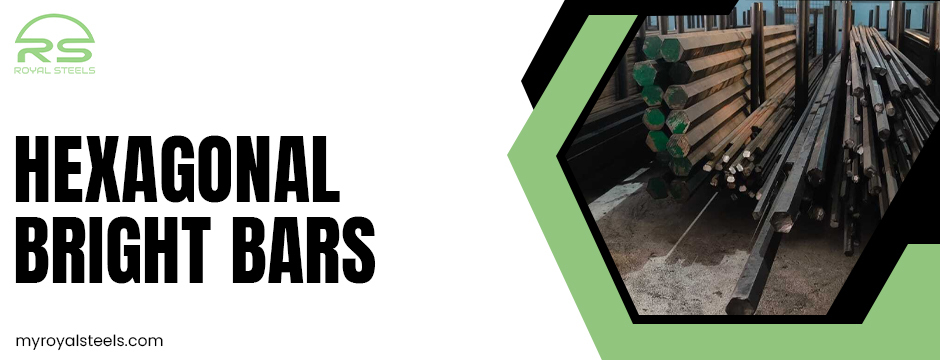
Industrial manufacturing depends heavily on precision materials. Components used in engineering, automotive production, and machinery assembly must perform under pressure for long periods. This is where hexagonal bright bars play an important role. These steel bars are designed for strength, dimensional accuracy, and reliable machining performance.
Manufacturers prefer these bars because they deliver consistency in demanding environments. Furthermore, their smooth finish and high tensile strength make them suitable for industrial applications that require precision and durability.
Why Industries Prefer Hexagonal Bright Bars
The growing demand for hexagonal bright bars comes from their ability to support multiple engineering operations. Their shape allows easier gripping during machining and fastening processes. Consequently, they are widely used in sectors that require dependable mechanical properties.
These bars are manufactured through a cold drawing process. This method improves surface finish, dimensional accuracy, and hardness. As a result, industries can achieve better efficiency during production.
Another important advantage is wear resistance. Components exposed to continuous movement or pressure require materials that can maintain structural integrity. These bars are built to handle such conditions without frequent replacement.
Key Properties That Improve Industrial Performance
High Tensile Strength
One major benefit of hexagonal bright bars is their ability to withstand heavy mechanical stress. This makes them suitable for shafts, fasteners, hydraulic fittings, and machine components.
The enhanced tensile strength also supports long operational life. Specifically, industries dealing with high-load applications benefit from reduced maintenance and lower downtime.
Excellent Machinability
Machining efficiency matters in modern manufacturing. Materials that cut smoothly reduce production time and tool wear. Therefore, these bars are preferred for precision turning, drilling, and threading operations.
The uniform shape further improves processing speed. Workers can handle the material more effectively during fabrication and assembly.
Corrosion and Wear Resistance
Industrial environments often expose metal components to moisture, chemicals, and friction. In such conditions, material durability becomes essential.
High-quality bright bars are engineered to resist cracking and surface damage. Consequently, they remain stable even in challenging working environments.
Applications Across Different Industries
The versatility of hexagonal bright bars allows them to serve multiple industrial sectors. Their strength and dimensional stability make them valuable in precision engineering.
Automotive Industry
Automotive manufacturers use these bars in transmission parts, suspension systems, and fastening components. Reliability is critical in vehicle manufacturing because even small failures can affect overall safety.
These bars support better performance and long-term operational stability.
Construction and Infrastructure
Construction equipment requires durable steel components capable of handling continuous pressure. These bars are commonly used in structural fittings, industrial connectors, and heavy machinery.
Furthermore, their resistance to wear helps improve equipment lifespan.
Machinery Manufacturing
Industrial machinery contains several moving parts that demand precision and balance. Manufacturers use bright bars in gears, couplings, and rotating assemblies.
The consistent dimensions reduce vibration and improve operational efficiency.
Understanding Material Grades and Specifications
Selecting the correct material grade is important for achieving the desired performance. Engineering industries often evaluate hardness, machinability, tensile strength, and chemical properties before choosing steel products.
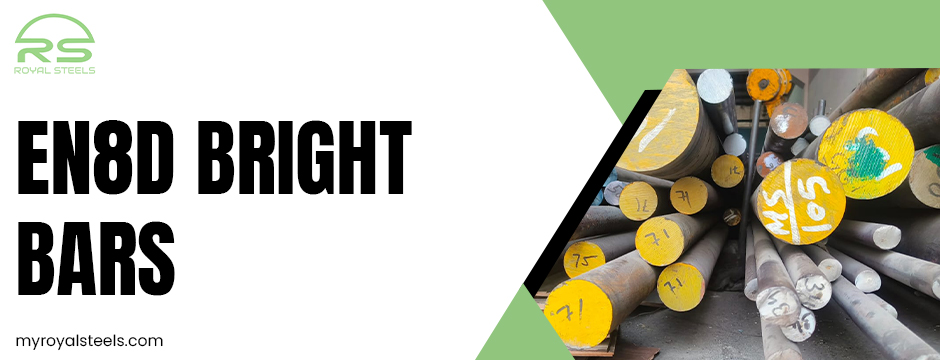
One commonly used option is EN8D bright bars. These bars are known for their good strength and improved surface finish. They are frequently selected for applications involving shafts, studs, bolts, and general engineering components.
Another reason industries prefer EN8D bright bars is their balanced mechanical properties. They provide a combination of durability and machinability, making them suitable for medium-strength applications.
Understanding EN Series Chemical Composition
The EN series chemical composition defines the exact percentage of elements mixed into engineering steel grades to achieve specific mechanical properties.
Carbon improves hardness and strength, while manganese increases toughness and heat-treatment response. Silicon helps remove impurities during manufacturing, ensuring better steel quality. Sulfur and phosphorus are usually controlled carefully because excess amounts can reduce durability.
Different EN grades are designed for different industrial needs. Lower EN grades offer easier machinability, whereas higher grades provide improved strength, hardness, and wear resistance for demanding engineering applications.
Manufacturing Process and Quality Standards
The production quality of steel bars significantly influences their performance. Reliable manufacturers follow strict inspection procedures throughout the manufacturing cycle.
The process generally starts with hot-rolled steel. After that, the material undergoes cold drawing to improve dimensional precision and surface quality.
Next, manufacturers conduct testing for straightness, hardness, and tensile strength. This stage helps identify any surface defects or structural inconsistencies.
Advanced inspection methods also ensure compliance with industrial standards. Consequently, buyers receive products that meet operational and safety requirements.
Another important factor is heat treatment. Controlled heating and cooling improve mechanical properties and increase resistance to fatigue.
Factors to Consider Before Purchasing
Industrial buyers often compare hexagonal bright bars based on application requirements, machining needs, and long-term performance expectations.
Industrial buyers should evaluate several factors before selecting steel products.
Surface Finish
A smoother finish improves machining accuracy and reduces friction during assembly. This is particularly important in precision engineering industries.
Dimensional Accuracy
Consistent dimensions help maintain uniformity during production. Poor dimensional control can increase waste and reduce operational efficiency.
Material Certification
Certified products offer greater reliability. Buyers should always verify testing standards and quality assurance procedures before purchasing.
Application Requirements
Different industries require different performance levels. For example, automotive applications may demand higher tensile strength, while general engineering may prioritize machinability.
Understanding the EN series chemical composition also helps buyers choose materials suitable for specific operational conditions.
Benefits of Choosing High-Quality Bright Bars
High-grade bright bars contribute directly to industrial productivity. Their precision finish reduces machining errors and minimizes material wastage.
Additionally, they support faster production cycles because they are easier to process. This helps manufacturers reduce operational costs over time.
Long-term durability is another important advantage. Components manufactured using reliable steel products experience lower failure rates. As a result, businesses can improve equipment reliability and reduce maintenance expenses.
Industries also appreciate the flexibility offered by these bars. They can be customized into different sizes and specifications depending on project requirements.
Moreover, EN8D bright bars continue to remain a preferred option for industries seeking dependable mechanical performance without compromising machining efficiency.
Royal Steels: Trusted Partner for Precision Bright Steel Bars
Royal Steels delivers high-quality bright steel bars designed for strength, precision, and long-term industrial performance. Backed by experienced professionals, strict quality control, and advanced manufacturing processes, the company supports industries with reliable steel solutions for demanding applications.
Furthermore, its wide product range, organized distribution network, and focus on consistent material standards help manufacturers achieve better productivity, durability, and operational efficiency across large-scale engineering and infrastructure projects.
Conclusion
Modern industries require steel products that combine strength, precision, and durability. Hexagonal bright bars meet these expectations by offering excellent machinability, wear resistance, and dimensional accuracy.
Their applications across automotive, construction, and machinery sectors highlight their industrial importance. Furthermore, reliable material grades and proper manufacturing standards help businesses achieve long-term operational efficiency.
For industries seeking dependable engineering steel solutions, choosing quality-tested products from experienced suppliers makes a noticeable difference. Companies like Royal Steels continue to support industrial requirements with precision-manufactured bright steel products designed for demanding applications.