
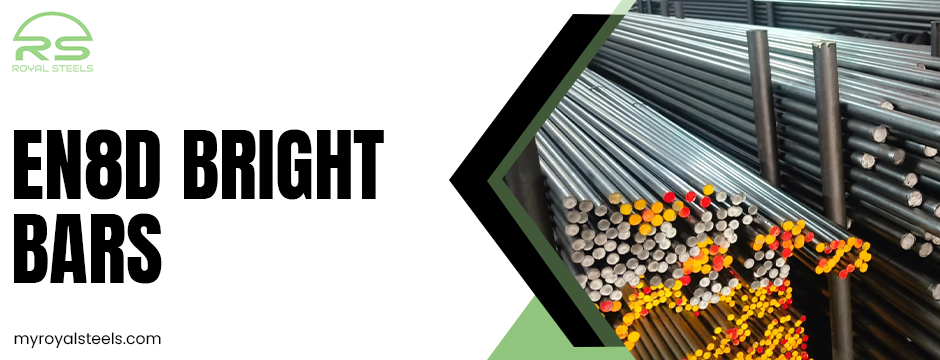
Industrial manufacturers constantly search for materials that deliver strength, precision, and long-term reliability. That is exactly why EN8D bright bars continue to gain attention across engineering and manufacturing sectors. These bars are widely used in applications that demand durability, dimensional accuracy, and excellent machinability.
From automotive assemblies to heavy industrial equipment, the demand for dependable steel components keeps increasing. Furthermore, modern industries now require materials that can withstand pressure, friction, and continuous mechanical stress without losing performance. This is where EN8D-grade steel proves valuable.
The material offers a practical balance between toughness and workability. Consequently, manufacturers prefer it for shafts, fasteners, gears, and machine components that require both strength and precision.
Understanding the Basics of EN8D Steel
EN8D is a medium carbon steel known for its improved tensile strength and wear resistance. It is commonly supplied in cold-drawn form, which enhances surface finish and dimensional consistency.
Unlike standard mild steel, EN8D offers better mechanical properties. Specifically, it performs well under repeated load conditions. This makes it suitable for industrial environments where machine parts operate continuously.
The controlled EN8D chemical composition contributes significantly to its overall performance. Carbon, manganese, and other alloying elements work together to improve hardness, strength, and machinability.
Moreover, the material responds effectively to heat treatment processes. This allows manufacturers to customize hardness levels according to application requirements.
Why Industries Prefer EN8D Bright Bars
Superior Strength for Industrial Components
One major reason industries rely on EN8D bright bars is their excellent structural strength. Heavy-duty components often face continuous pressure, vibration, and rotational stress. Therefore, weaker materials may deform or fail over time.
EN8D bars handle such conditions effectively. Their balanced mechanical properties make them dependable for engineering systems requiring long operational life.
Additionally, these bars perform well in rotating machinery. Shafts and couplings manufactured using EN8D steel maintain stability even under demanding workloads.
Better Surface Finish and Accuracy
Cold-drawn processing improves dimensional precision considerably. Consequently, manufacturers achieve tighter tolerances without extensive secondary machining.
This smoother finish also reduces friction in moving assemblies. As a result, machine performance improves while maintenance requirements decrease.
Many industries that use bright steel bars value this precision because it helps maintain consistency during large-scale production.
Excellent Machinability
Machining performance directly impacts manufacturing efficiency. Materials that are difficult to cut or shape increase production time and tooling costs.
Fortunately, EN8D bright bars offer reliable machinability. They can be drilled, turned, milled, and threaded with relative ease. This improves productivity across fabrication units and machine shops.
Furthermore, smoother machining reduces surface imperfections, resulting in cleaner finished components.
Common Applications Across Industries
EN8D steel finds application in several industrial sectors because of its versatility and strength.
Automotive Industry
The automobile sector frequently uses EN8D material for:
- transmission shafts
- steering components
- bolts and studs
- axle assemblies
These parts require both toughness and dimensional consistency. Therefore, EN8D becomes a practical solution for manufacturers focused on long-term performance.
Heavy Engineering Equipment
Industrial machinery often operates in high-load environments. Consequently, components must resist wear and fatigue effectively.
Machine manufacturers use EN8D bright bars for:
- conveyor shafts
- hydraulic equipment
- industrial rollers
- machine spindles
The material performs reliably even during prolonged operational cycles.
Agricultural Machinery
Agricultural equipment regularly faces exposure to dust, pressure, and uneven terrain. Components made using EN8D steel offer dependable strength under such harsh working conditions.
This improves equipment durability while reducing maintenance interruptions during critical farming operations.
Importance of Material Consistency in Manufacturing
Modern production systems depend heavily on consistency. A slight variation in material dimensions can affect entire assembly lines.
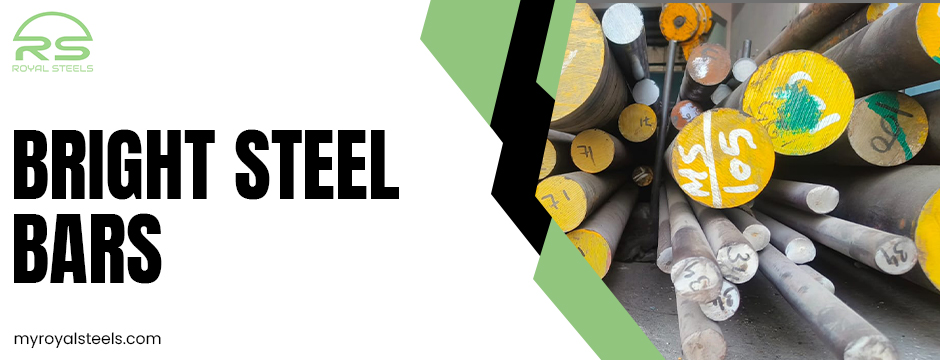
This is why industries increasingly prefer precision-finished steel products. Manufacturers using bright steel bars often achieve better production stability because the material offers uniform dimensions and improved straightness.
Moreover, cold finishing helps reduce residual surface defects. Consequently, fabricated parts maintain better balance and operational smoothness.
The reliability of the EN8D chemical composition also supports consistent machining performance across different production batches.
Heat Treatment and Mechanical Performance
Another important advantage of EN8D bright bars is their response to heat treatment. Processes such as hardening and tempering significantly improve wear resistance and tensile strength.
This flexibility allows engineers to tailor component properties according to specific applications. For example, a rotating shaft may require higher toughness, while a gear component may demand additional hardness.
Furthermore, properly heat-treated EN8D components maintain shape stability even under repetitive stress conditions.
This characteristic becomes especially valuable in sectors where downtime can lead to major operational losses.
Factors to Consider Before Buying
Selecting the right steel product requires more than simply checking dimensions. Buyers should evaluate several technical and commercial factors before placing orders.
Surface Quality
Poor surface finish can affect machining and component performance. Therefore, buyers should inspect bars for smoothness, straightness, and visible imperfections.
Tolerance Accuracy
Engineering applications often require precise dimensional tolerances. Reliable manufacturers maintain strict production standards to ensure consistency.
Supplier Experience
Working with an experienced supplier reduces procurement risks. Companies with strong industrial knowledge generally maintain better quality control systems and inventory management practices.
Many industrial buyers prefer suppliers like Royal Steels because of their understanding of precision steel requirements and large-scale manufacturing demands.
Benefits for Long-Term Industrial Use
The long-term value of EN8D bright bars extends beyond initial material strength. Their durability helps reduce replacement frequency, maintenance costs, and operational downtime.
Additionally, these bars perform well in applications involving dynamic loads and rotational movement. This improves machine reliability across various industrial systems.
Another practical advantage is production efficiency. Since EN8D steel machines cleanly, manufacturers experience lower tooling wear and smoother fabrication processes.
Consequently, businesses benefit from improved productivity and reduced operational expenses over time.
Choosing the Right Size and Specification
Different applications require different dimensions and tolerances. Smaller bars may suit fasteners and precision tools, while larger diameters are commonly used for shafts and structural machine parts.
Buyers should also confirm:
- tensile strength requirements
- hardness levels
- machining needs
- heat treatment compatibility
- end-use environment
Careful material selection ensures better operational performance and reduces the possibility of component failure.
Understanding EN8D Chemical Composition
The carefully balanced EN8D chemical composition plays a major role in the steel’s strength, machinability, and durability. Carbon content between 0.40% and 0.45% improves hardness while maintaining workable ductility. Furthermore, manganese enhances tensile strength and hardenability, making the material suitable for demanding industrial components. Controlled sulfur and phosphorus levels help prevent brittleness and cracking. Consequently, EN8D steel delivers predictable heat-treatment performance and reliable wear resistance for precision engineering and heavy-duty manufacturing applications.
Conclusion
Industrial manufacturing depends heavily on reliable materials that combine strength, machinability, and durability. That is why EN8D bright bars remain a trusted choice for engineering, automotive, agricultural, and heavy machinery applications. Their consistent performance, smooth finish, and adaptability make them suitable for demanding production environments.
As industries continue prioritizing precision and long-term reliability, choosing quality steel products becomes increasingly important. For businesses seeking dependable steel solutions and expert support, Royal Steels offers high-quality products tailored to diverse industrial requirements.
Frequently Asked Questions
1. What are EN8D bright bars mainly used for?
EN8D bright bars are commonly used for shafts, gears, bolts, machine spindles, and automotive components requiring strength and precision.
2. Why are EN8D bright bars preferred in manufacturing?
They offer excellent machinability, high tensile strength, dimensional accuracy, and better wear resistance for industrial applications.
3. Does EN8D steel support heat treatment?
Yes, EN8D steel responds well to hardening and tempering processes, improving toughness and durability for demanding environments.
4. How do bright steel bars improve production quality?
Bright steel bars provide smoother finishes, better straightness, and tighter tolerances, helping manufacturers maintain consistent component quality.
5. What should buyers check before purchasing EN8D bright bars?
Buyers should verify surface quality, dimensions, tensile strength, heat treatment compatibility, and supplier reliability before placing orders.