
In engineering, material choice affects performance, service life, and safety. That is why EN8D bright bars are widely preferred for parts that must handle load, wear, and repeated movement. This steel grade offers a useful mix of strength, hardness, machinability, and dimensional consistency. As a result, it suits many precision components used across automotive, heavy engineering, agriculture, and industrial machinery.
Understanding the Role of EN8D in Engineering
EN8D is a medium carbon steel grade known for higher strength than lower-carbon alternatives in the same family. Its chemical range includes carbon at 0.40–0.45, manganese at 0.70–0.90, silicon at 0.05–0.35, with sulphur and phosphorus each limited to 0.06 max. That higher carbon level is a major reason for its hardness and wear resistance.
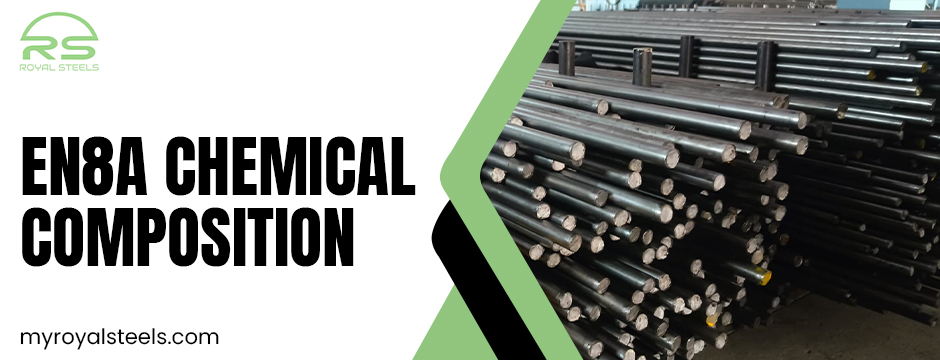
When supplied in bright bar form, the product also gains a smoother surface finish and better dimensional accuracy than regular black bar. Consequently, it becomes more suitable for precision machining and close-tolerance applications. For buyers comparing grades, reviewing the EN8A chemical composition can help explain why EN8D performs better in more demanding mechanical conditions.
Why EN8D Bright Bars Stand Out in High-Strength Applications
The main reason engineers choose this grade is simple: it performs well where strength matters. In real production environments, many components must resist bending, twisting, impact, and surface wear. A softer material may machine easily, but it may not last under repeated stress.
This is where EN8D bright bars offer a practical advantage. They are commonly selected for axles, gears, pins, spindles, and other machine parts that need dependable mechanical performance. Furthermore, the bright bar finish improves consistency during turning, grinding, and fitting operations. That helps reduce variation during batch production.
Another important point is reliability in service. When parts are used in moving assemblies, material stability becomes critical. A stronger grade supports better load-bearing performance, especially where parts operate under pressure or vibration for long periods.
Chemical Composition and Why It Matters
Steel performance starts with chemistry. The higher carbon content in EN8D is what gives it improved hardness and strength. Manganese contributes to toughness and hardenability, while silicon supports strength and general steel quality. Sulphur and phosphorus are kept low to maintain acceptable performance and reduce the risk of brittleness.
By contrast, the EN8A chemical composition contains lower carbon at 0.33–0.38. That difference may seem small on paper, yet it changes the material behaviour in a meaningful way. EN8A is generally tougher and slightly easier to machine, while EN8D is better where higher hardness and wear resistance are required.
For engineers working across different EN grades, checking an EN series material list PDF is often helpful during specification review. It allows quick comparison between grades such as EN8A, EN8B, EN8C, and EN8D before finalising a drawing or purchase order.
Key Benefits for Precision Manufacturing
Better Strength for Loaded Components
Many engineering parts are exposed to torque, impact, or friction during operation. In these cases, material failure is not an option. EN8D bright bars support stronger finished parts, making them suitable for demanding mechanical environments.
Good Surface Finish and Dimensional Accuracy
Bright bars are cold finished, so they typically offer a cleaner surface and tighter tolerances. This reduces extra machining time and supports a better fit in bearings, shafts, and mating assemblies.
Suitable for Wear-Prone Applications
Components such as gears, pins, and spindles often face repeated contact and movement. A stronger steel grade helps these parts maintain shape and function over time.
Practical Machinability
Although harder than EN8A, EN8D still offers workable machinability for many common shop operations. With proper tooling and process control, manufacturers can produce accurate parts without unnecessary complications.
Where EN8D Works Best
The value of this grade becomes clearer when you look at actual use cases. EN8D bright bars are often chosen for:
Axles and Shafts
These parts must handle rotational force and load without losing shape. A stronger bar helps maintain performance over long service cycles.
Gears and Pinions
These require hardness and wear resistance, especially in systems with repeated motion and contact.
Spindles and Pins
Precision matters here. The bright finish supports accurate machining, while the steel strength improves durability.
General Engineering Components
Machine builders also use this grade in couplings, fixtures, supports, and parts that need dependable structural behaviour.
In many factories, grade selection depends on application risk. If the part is under moderate duty, EN8A may be enough. If the part sees higher stress, EN8D usually becomes the more sensible choice.
EN8D vs EN8A: A Practical Selection Guide
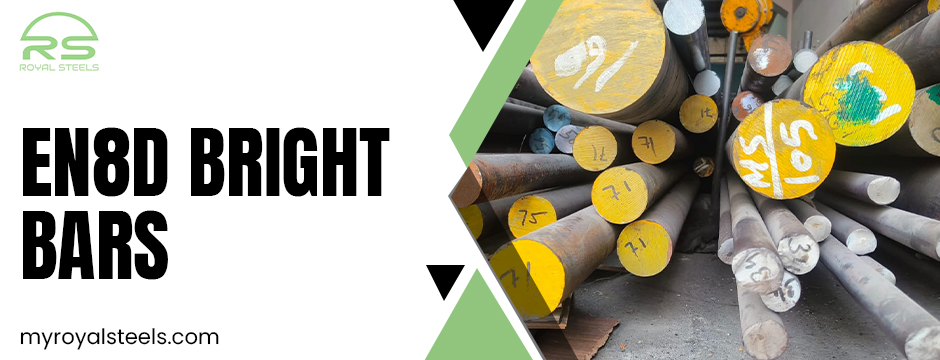
This comparison matters because buyers often choose between these two grades. The EN8A chemical composition shows lower carbon, which gives it slightly better ductility and easier machining. That makes EN8A a good option for studs, bolts, general shafts, and parts where toughness is more important than hardness.
EN8D moves the balance in a different direction. It gives more strength, more hardness, and better wear resistance. However, it is slightly less ductile and less weld-friendly. So the decision should come from the actual working condition of the component, not from price alone.
If your application involves friction, repeated load, or long-term mechanical stress, EN8D bright bars are usually the better fit. If your focus is easier machining with moderate strength, EN8A may be sufficient. Many purchasing teams use an EN series material list PDF during this stage to compare grades before raising a material request.
Things Buyers Should Check Before Ordering
Choosing the right steel grade is only part of the decision. Product form and finish also matter. Before placing an order, it is smart to review:
- required diameter or section size
- tolerance range
- surface finish expectations
- straightness requirements
- machining allowance
- intended application
For example, bright bars are available in round, square, hex, and strip forms. Round bars are often used for shafts and precision machine parts. Hex bars are useful in fasteners and fittings. Square sections may suit rails, supports, and special machine components. This is why specification clarity is important at the procurement stage.
It is also useful to check supporting documents such as test certificates, grade confirmation, and an EN series material list PDF when comparing available stock with design requirements.
Do Bright Bars Rust?
Yes, bright bars can rust over time if they are not stored or protected properly. The bright finish improves appearance and machining readiness, but it does not make the steel corrosion-proof. Oil coating, proper packing, and dry storage help reduce the risk. This point is important for inventory teams, especially when bars are held before machining or dispatch.
Built for Strength, Trusted for Precision
At Royal Steels, we take pride in supplying high-quality bright bars designed for strength, accuracy, and dependable performance. We serve diverse industries with precision-engineered steel solutions, including round, square, hex, and strip bright bars tailored to demanding applications.
Our focus is on consistent quality, reliable sizing, and practical support that helps manufacturers choose the right material with confidence. With our commitment to durability and engineering value, we help businesses build stronger and longer-lasting components.
Final Thoughts on Material Choice
Strong engineering parts begin with the right raw material. EN8D bright bars continue to be preferred because they offer the kind of strength, hardness, finish, and usability that many industrial applications demand. From gears and spindles to shafts and pins, they support reliable manufacturing and longer service life.
When comparing options, the EN8A chemical composition is useful for understanding how lower-carbon grades behave differently. That comparison helps engineers match the grade to the job instead of making assumptions. In conclusion, if your application calls for higher strength and better wear resistance, EN8D bright bars are a smart and proven choice.
For dependable supply and practical product guidance, Royal Steels is worth exploring as your next sourcing partner.