
When industrial buyers compare steel grades, size, and finish are only part of the decision. The real performance of a bar starts with its chemical composition. It affects strength, machinability, weldability, fatigue life, hardness, and suitability for different operating conditions. Whether the material is used in automotive parts, shafts, tools, machinery, or structural components, the internal makeup of the steel plays a direct role in how it performs in service.
For buyers, this is not just a technical detail. It is a practical factor that helps reduce failure risk, improve product life, and support accurate material selection. Furthermore, understanding steel chemistry makes it easier to match the right grade to the right industrial use.
Why Chemical Composition Matters in Steel Selection
Every steel bar is made from a controlled mix of elements. These may include carbon, manganese, silicon, sulfur, phosphorus, chromium, nickel, molybdenum, vanadium, and others, depending on the grade. Each element changes the steel in a specific way.
For example, carbon usually increases hardness and strength, while manganese can improve toughness and wear behavior. Chromium often supports strength and corrosion resistance. Sulfur may improve machinability in selected grades. Consequently, even small changes in the mix can influence how the steel behaves during machining, fabrication, or end use.
This is why experienced buyers do not look at dimensions alone. They study the chemical composition before approving a material for production.
Understanding the Role of Key Elements
A practical buying decision becomes easier when the major elements are understood clearly.
Carbon and Strength
Carbon is one of the most influential elements in steel. Higher carbon content generally improves hardness and tensile strength. However, it can also reduce ductility if not balanced properly. That is why buyers must match the carbon level to the part’s working requirement.
Manganese and Toughness
Manganese helps improve hardness and impact strength. It also supports the steel during heat treatment. In many engineering grades, it contributes to reliable performance under repeated load.
Chromium, Nickel, and Molybdenum
These alloying elements are often used when a steel bar needs higher strength, better wear resistance, or improved response to heat treatment. Specifically, they are important in grades used for shafts, gears, machine parts, and demanding industrial applications.
Sulfur and Machining Performance
Sulfur is often discussed from a production point of view. In controlled amounts, it can support easier machining. For buyers making large quantities of turned components, this matters in real cost terms.
Chemical Composition and Mechanical Performance
The relationship between material chemistry and real-world performance is direct. A steel bar with the right balance of elements can offer better fatigue resistance, more consistent machining, and stronger service life. On the other hand, a poor match between grade and use can lead to unnecessary wear, cracking, or process inefficiency.
This becomes especially important in sectors such as automotive, mining, pumps, railways, heavy engineering, and defense. In such fields, bars are often used for precision parts, moving components, or load-bearing applications. Therefore, the chemical composition should always be reviewed alongside mechanical properties, tolerance requirements, and surface finish.
How Industrial Buyers Use Grade Data in Practice
Most buyers are not selecting steel for theory. They are selecting it for a job. A shaft requires one performance profile. A fastener requires another. A conveyor component, a gear blank, and a cold-headed part will each demand different material behavior.
That is why grade charts and technical sheets are so useful. They allow purchasing teams, production heads, and engineers to compare steel types based on actual composition ranges. From there, they can shortlist grades that match the production method and application environment.
For example, buyers sourcing hexagonal bright bars often need more than dimensional accuracy. They may also require high strength, reliable machining, and consistency across batches. In such cases, reviewing the chemical composition becomes part of risk control, not just documentation.
EN18 as a Common Engineering Reference
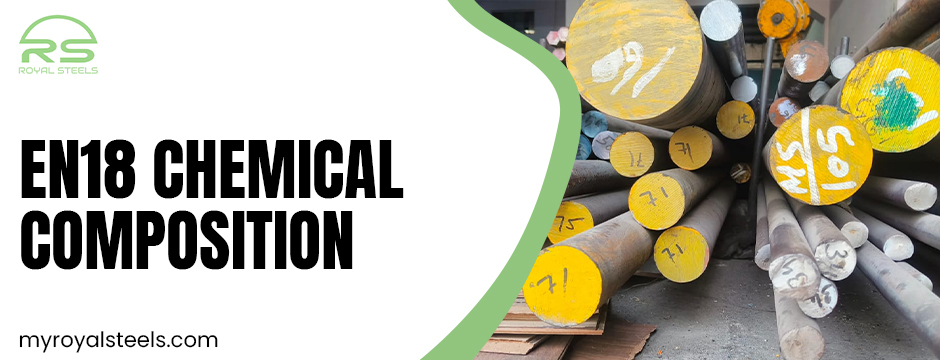
Among widely used engineering steels, EN18 is often discussed because it offers a practical balance of strength, toughness, and machining potential. It is commonly selected for components such as shafts, studs, bolts, gears, and other machine parts.
Looking at EN18 chemical composition helps buyers understand why this grade is so widely accepted. Its alloying balance supports performance in engineering applications that demand more than basic mild steel can offer. This makes it relevant in workshops, OEM supply chains, and heavy-duty manufacturing.
When buyers assess EN18 chemical composition, they are not just checking a sheet. They are confirming that the material can support the process route and the final application without compromise.
Why Hexagonal Bright Bars Need Closer Technical Review
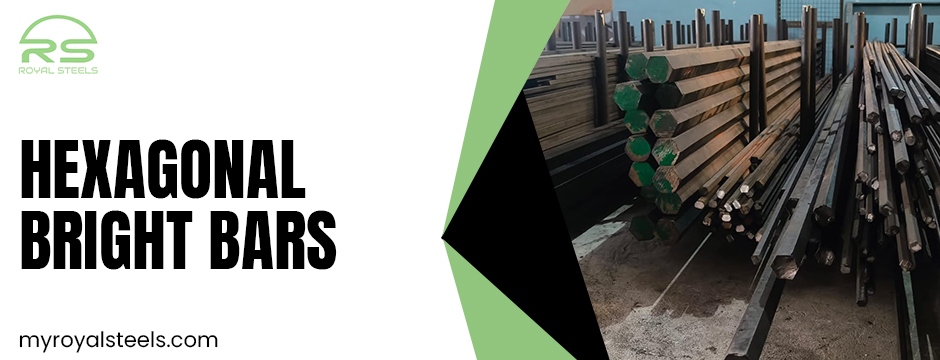
Shape also affects buying decisions. Hexagonal bright bars are widely used in automotive, spring manufacturing, machinery, metallic cookware, and precision component production. Their profile is useful in many machining and fastening applications. However, the geometry alone does not define performance.
The grade behind the profile matters just as much. Buyers sourcing hexagonal bright bars should review not only finish and size range, but also material chemistry, yield behavior, and application suitability. This is particularly important when the bars are expected to perform under load, stress, or repetitive industrial use.
In many cases, hexagonal bright bars are produced from hot-rolled black bars and then processed for a better finish and improved mechanical characteristics. That improvement is valuable, but the base material still needs to be chemically suitable for the job.
Questions Buyers Should Ask Before Finalizing Material
A smart buying process usually includes a few technical checkpoints.
Is the Grade Suitable for the End Use?
A steel bar meant for decorative furniture will not need the same performance as one used in engines or mining equipment. Match the grade to the working condition.
Does the Supplier Provide Composition Data?
A reliable supplier should be able to share grade-specific details, mill documentation, or a technical chart. This helps buyers verify requirements before production starts.
Is There a Need for Heat Treatment or Further Processing?
Some grades perform best after heat treatment, while others are selected for machining ease or immediate use. Material choice should reflect the planned production route.
Are Industry Applications Being Considered Properly?
If the bars are for pumps, defense equipment, railway parts, agricultural machinery, or cold-headed components, the buyer should assess both chemistry and end-use stress factors. This is where EN18 chemical composition can become especially useful for more demanding engineering parts.
Making Better Buying Decisions
Industrial buying works best when technical clarity comes early. Price matters, but price without grade understanding can create higher costs later through rejection, failure, or rework. A buyer who understands chemical composition is better positioned to ask the right questions, compare suppliers more intelligently, and support smoother production outcomes.
In addition, knowing how composition affects machinability, durability, and strength helps cross-functional teams work better together. Procurement, production, quality, and engineering all benefit from a clearer material decision.
Precision Steel for Demanding Industries
At Royal Steels, we deliver bright steel bars built for strength, accuracy, and dependable industrial performance. We manufacture round, square, hexagonal, and strip bright bars for sectors that demand quality, consistency, and technical reliability. With application-focused solutions and trusted material standards, we help businesses choose steel products that support smooth production and long-term performance.
Final Thoughts
For industrial buyers, steel selection should never stop at size, finish, or appearance. The real value of a steel bar begins with its chemical composition, because that is what shapes performance from machining to final service. A practical understanding of grade chemistry supports better quality, lower risk, and stronger purchasing decisions.Whether you are sourcing precision bars, engineered profiles, or application-specific steel products, taking time to review composition data is always a smart step. For buyers looking for dependable bright bar solutions backed by technical understanding, Royal Steels is one name worth exploring.