
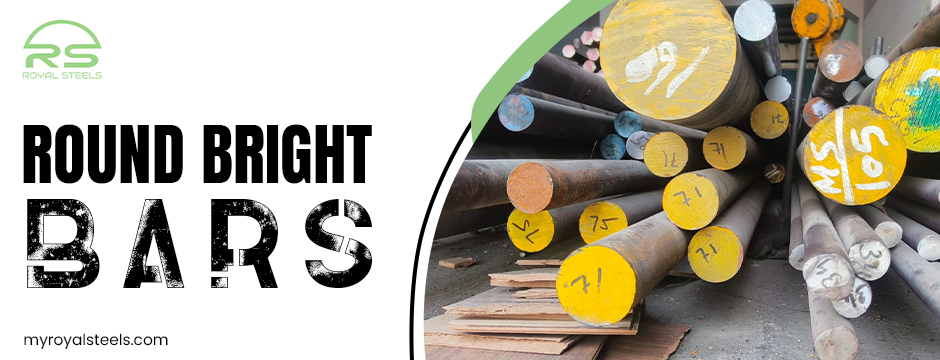
Selecting the right round bright bars is critical for industries that depend on precision, durability, and consistent performance. Whether you manufacture automotive components, heavy machinery, conveyor shafts, or engineering tools, the quality of steel directly affects output reliability.
However, not all bright bars are the same. Differences in manufacturing process, surface finish, tolerance control, and raw material sourcing can significantly impact performance. This guide will help you evaluate the right specifications for your application and make an informed purchase decision.
Understanding Round Bright Bars and Their Industrial Role
Round bright bars are cold-drawn steel bars known for their smooth surface finish and dimensional accuracy. Because they are processed at lower temperatures than hot-rolled steel, they offer tighter tolerances and improved straightness.
Industries use round bright bars in shafts, bearings, fasteners, precision machine components, and structural assemblies. Their clean surface reduces machining time. Furthermore, their controlled mechanical properties enhance fatigue life in rotating applications.
If your operation involves high-speed motion or load-bearing components, material consistency becomes even more important.
Manufacturing Process: Why It Matters
The performance of steel starts with how it is processed.
Cold Drawing and Surface Finish
Cold drawing improves dimensional control. It also refines the surface finish, often achieving much smoother results compared to black bars. Consequently, machining operations become more efficient.
High-quality, round bright bars typically have improved surface roughness values. This is essential for bearing fits and mechanical assemblies where transition tolerance is required.
Raw Material Selection
The chemical composition determines strength and machinability. Low-carbon mild steel offers flexibility and easier shaping. Higher grades improve tensile strength.
Ask suppliers about billet sourcing and traceability. Certified raw materials ensure reliability in demanding applications such as automotive or defense manufacturing.
Key Technical Factors to Evaluate
Before finalizing a supplier, review these essential parameters carefully.
1. Dimensional Tolerance
Precision applications require strict tolerance adherence. Shafts and couplings must fit accurately without excessive play. Therefore, request documented tolerance standards.
2. Straightness
Improper straightness can increase machining rejection rates. Furthermore, it may cause vibration issues in rotating equipment.
3. Mechanical Properties
Yield strength, tensile strength, and elongation values should match your engineering drawings. This is especially important for load-bearing parts.
4. Surface Integrity
Micro-cracks or surface defects reduce fatigue life. Reliable manufacturers test for defects before dispatch.
When comparing options, ensure the round bright bars meet your specific performance criteria rather than generic specifications.
Matching Steel Type to Industry Application
Different industries demand different characteristics.
Automotive Sector
Automobile manufacturers require precise steel for engine parts, shafts, and fasteners. Even minor deviations can affect assembly performance. For such sectors, choose high-accuracy, round bright bars with consistent hardness values.
Heavy Engineering
Large machines require durability and load resistance. Bars used in equipment frames or structural assemblies must withstand stress over long periods.
Textile and Machinery Manufacturing
In textile machinery, smooth rotation is essential. Surface finish plays a critical role. Steel used in spindles and shafts must be dimensionally stable.
Oil, Mining, and Defense
Harsh environments demand strength and reliability. Material failure in these industries leads to operational downtime. Therefore, quality testing and supplier credibility are crucial.
Round vs Square: When Shape Selection Matters
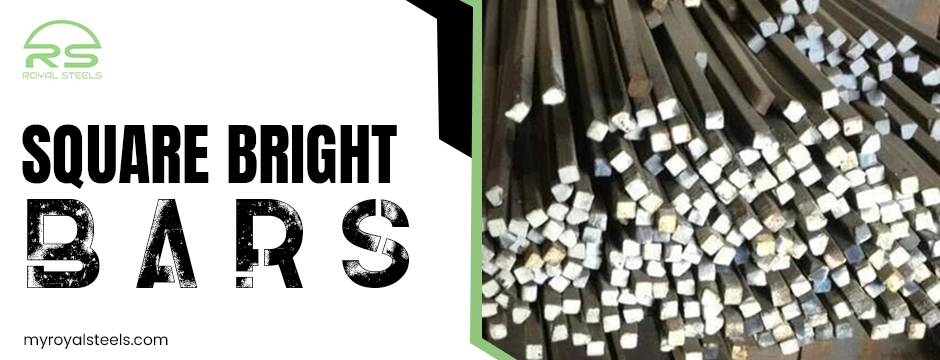
While round profiles are common for shafts and rotating components, square bright bars serve different purposes. They are widely used in rails, fixtures, and structural applications where flat surfaces are required.
Unlike square bright bars, circular profiles distribute stress evenly around the axis. This makes them ideal for rotating machinery. However, square sections provide better grip for certain fabrication tasks.
In some manufacturing units, both square bright bars and round sections are stocked to serve varied operational needs. Understanding geometry requirements helps avoid material mismatch and unnecessary machining.
Corrosion Considerations and Storage
Bright bars can develop rust if exposed to moisture for extended periods. However, protective oil coating and proper storage reduce this risk.
It is important to note that the difference between bright and black steel lies in processing temperature, not inherent corrosion resistance. Therefore, do not assume improved rust resistance without surface protection.
Store steel in dry, covered environments. Use protective wrapping for long-term inventory.
Supplier Evaluation Checklist
Choosing the right supplier matters just as much as choosing the right material.
Quality Control Systems
Ask whether the supplier conducts mechanical testing and surface inspections. Documentation reflects professionalism.
In-House Manufacturing
Suppliers who manage production internally maintain better consistency. Outsourcing may introduce variability.
Inventory Capability
Large warehouses reduce lead times. Timely delivery prevents production delays.
Distribution Network
Reliable logistics ensure materials reach you safely and on schedule.
Professional manufacturers understand the operational impact of delayed shipments.
Cost vs Value: Making the Right Investment
Price should never be the only deciding factor. Cheaper steel often results in higher rejection rates during machining. Consequently, total production costs increase.
High-grade round bright bars may have a slightly higher upfront cost. However, they reduce scrap rates, enhance performance, and improve end-product quality.
Calculate lifecycle value instead of purchase price alone.
Industry-Specific Sizing and Customization
Steel bars are available in various diameters depending on application needs. Smaller diameters suit fasteners and precision components. Larger sizes are ideal for heavy shafts and structural assemblies.
Discuss your exact size requirements before placing bulk orders. Custom length cutting reduces waste and improves operational efficiency.
If your operation uses mixed geometries, evaluate whether you require both circular and square bright bars for different fabrication tasks.
Royal Steels – Precision You Can Rely On
At Royal Steels, we combine technical expertise with disciplined manufacturing to deliver reliable bright steel bars for demanding industries. Our professional team oversees every stage, from sourcing certified raw materials to precision cold drawing and strict quality inspections. Furthermore, our structured workflow, in-house testing, and large warehouse network ensure timely deliveries without compromising standards.
We manufacture a wide range of grades and sizes to meet exact specifications, helping you achieve consistent performance and long-term operational efficiency.
Final Thoughts: Choosing with Confidence
Choosing steel is not just about dimensions. It involves understanding application stress, machining requirements, and environmental conditions. The right round bright bars enhance equipment life, reduce operational downtime, and support manufacturing precision. Evaluate manufacturing quality, tolerance standards, and supplier reliability before making a decision.
In conclusion, a careful assessment of technical parameters, supplier credentials, and application needs will help you select material that delivers consistent industrial performance.
If you are looking for dependable sourcing backed by quality control and industry expertise, you may explore solutions from Royal Steels to find bright bar options suited to your operational requirements.