
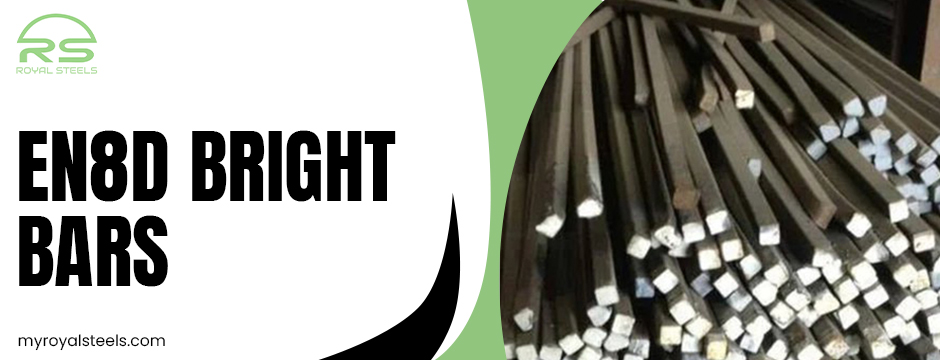
In modern manufacturing, material choice directly impacts performance, durability, and cost efficiency. Among various engineering steels, EN8D bright bars are widely used in precision components where strength and machinability matter equally. From automotive shafts to industrial machinery parts, this material plays a critical role in delivering reliable performance under stress.
Understanding EN8D bright bars helps engineers and buyers choose the right steel grade for demanding applications. In this guide, we will break down its properties, composition, uses, and advantages simply and practically.
What Are EN8D Bright Bars?
EN8D bright bars are medium carbon steel bars produced through a controlled cold-drawing process. This process improves surface finish, dimensional accuracy, and mechanical strength.
Unlike hot-rolled steel, these bars are refined to meet tight tolerances, which makes them ideal for precision engineering applications. Furthermore, they are commonly used in components that require smooth machining and consistent performance.
In the steel industry, these bars are often preferred where reliability and repeatability are essential.
Key Properties of EN8D Bright Bars
One of the reasons EN8D bright bars are widely used in engineering is due to their strong mechanical characteristics.
1. High Strength and Durability
These bars can withstand heavy loads and mechanical stress without deformation.
2. Excellent Machinability
They allow smooth cutting, shaping, and finishing, which is essential in precision engineering.
3. Good Surface Finish
The cold-drawn process ensures a clean and polished surface, reducing the need for additional finishing.
4. Dimensional Accuracy
Manufacturers rely on these bars for components that require tight tolerances.
5. Balanced Toughness
They provide a stable combination of hardness and flexibility, making them suitable for dynamic applications.
Why EN8D Bright Bars Are Important in Precision Engineering
Precision engineering demands materials that offer consistency, accuracy, and reliability. EN8D bright bars meet these expectations by providing uniform mechanical properties across production batches.
In industries like automotive manufacturing and machine tool production, even minor variations can lead to performance issues. Therefore, engineers prefer materials that maintain stability under repeated stress conditions.
Additionally, their smooth surface finish reduces friction in moving components, improving efficiency and lifespan.
Industrial Applications of EN8D Bright Bars
The usage of EN8D bright bars spans across multiple industries due to their versatility.
Automotive Industry
They are used in shafts, axles, gears, and fasteners where strength and precision are critical.
Heavy Engineering
Machine components such as spindles, pins, and industrial tools depend on their durability.
Agriculture Equipment
They are widely used in farming machinery where resistance to wear and load is required.
Construction Machinery
Hydraulic components and support structures often rely on this steel grade.
General Manufacturing
From conveyor systems to mechanical assemblies, their applications are extensive and reliable.
Advantages of Using EN8D Bright Bars
Choosing the right steel can significantly impact production efficiency. EN8D bright bars offer several benefits that make them a preferred choice in engineering sectors.
- Reduced machining time due to better finish
- Lower tool wear during manufacturing
- High load-bearing capability
- Consistent performance across applications
- Suitable for both small and large-scale production
Furthermore, their reliability reduces maintenance costs in finished products, making them cost-effective in the long run.
EN8D Bright Bars vs Other Steel Grades
Compared to standard mild steel, EN8D bright bars offer improved strength and wear resistance. Mild steel is easier to form but lacks the durability needed for heavy-duty applications.
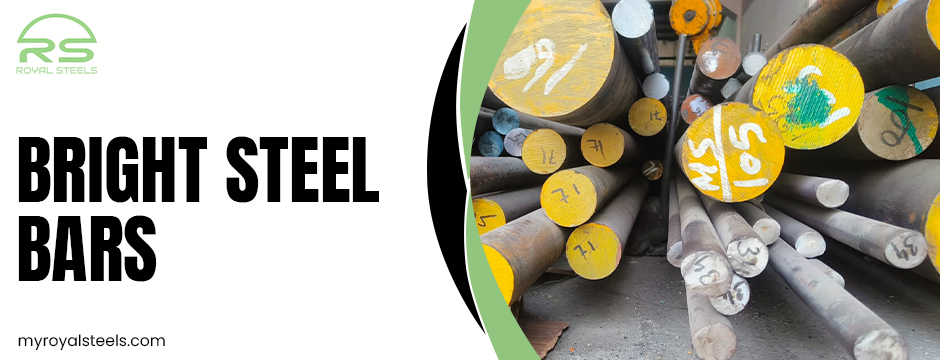
On the other hand, bright steel bars may provide higher strength but often come at a higher cost and complexity. EN8D strikes a practical balance between performance and affordability, which is why it is widely adopted in industrial manufacturing.
Manufacturing and Processing Insights
The production of EN8D bright bars involves a cold drawing process that enhances surface finish and dimensional precision. This process also improves mechanical properties without altering the base chemistry significantly.
After hot rolling, the steel is drawn through dies to achieve the required diameter and smoothness. This step ensures uniformity, which is critical for precision engineering applications.
Quality control plays an important role here, as even minor inconsistencies can affect performance in high-stress environments.
Challenges and Considerations in Usage
While EN8D bright bars are highly reliable, proper handling is essential to maintain their quality.
- Exposure to moisture can lead to surface corrosion
- Improper storage may affect the surface finish
- Incorrect machining parameters can reduce tool life
Therefore, manufacturers often apply protective coatings or oils to enhance storage stability.
Understanding material behavior under different conditions helps engineers avoid unnecessary production issues.
Why Engineers Prefer EN8D Bright Bars
Engineers prefer EN8D bright bars because they offer a predictable and stable performance profile. In precision engineering, predictability is more valuable than extreme strength alone.
These bright steel bars reduce uncertainty during machining and assembly, which improves production efficiency. Additionally, their versatility allows them to be used across multiple industries without significant modification.
This adaptability makes them a reliable choice for both small workshops and large-scale manufacturing units.
EN8D Chemical Composition and Its Importance
The performance of steel is strongly influenced by its chemical structure. The EN8D chemical composition is carefully controlled to achieve a balance of strength, toughness, and machinability, making it suitable for precision engineering applications.
Based on standard composition, EN8D typically includes:
- Carbon (C): 0.40 – 0.45%
- Manganese (Mn): 0.70 – 0.90%
- Silicon (Si): 0.05 – 0.35%
- Sulphur (S): max 0.06%
- Phosphorus (P): max 0.06%
This controlled mix of elements ensures stable mechanical performance during machining and load-bearing applications. The carbon content enhances hardness and strength, while manganese improves toughness and wear resistance. Silicon contributes to overall stability during processing.
Furthermore, the low limits of sulphur and phosphorus help reduce brittleness and improve structural integrity. As a result, EN8D becomes a reliable material for components that must perform under continuous stress and dynamic loading conditions, especially in automotive and engineering environments.
This balanced EN8D chemical composition is what makes the grade highly dependable for precision manufacturing, where consistency and durability are critical.
Future Relevance in the Steel Industry
With growing demand for precision components, EN8D bright bars continue to remain relevant in modern engineering. Industries are shifting towards materials that offer efficiency, consistency, and cost control.
As automation and machine-based manufacturing expand, the need for high-accuracy steel products will only increase. EN8D-grade materials are expected to remain a key part of this transformation.
Trusted Partner for Precision Engineering Steel Solutions
At Royal Steels, we deliver high-quality EN8D bright bars designed for precision engineering and demanding industrial applications. We focus on consistent quality, accurate dimensions, and superior surface finish to meet modern manufacturing needs. Our products are widely used in automotive, machinery, and heavy engineering sectors where performance matters. We ensure strict quality control and reliable supply to support every project. With our expertise, we help customers achieve strength, durability, and long-term value in every application.
Conclusion
To sum up, EN8D bright bars are a dependable choice for precision engineering applications due to their strength, machinability, and balanced composition. Their controlled manufacturing process ensures consistent quality, making them suitable for a wide range of industrial uses.
From automotive systems to heavy machinery, their role in modern engineering cannot be ignored. When selected correctly, they significantly improve product performance and reliability.For industries looking for consistent quality and engineering-grade steel solutions, Royal Steels offers reliable support and supply for precision applications.