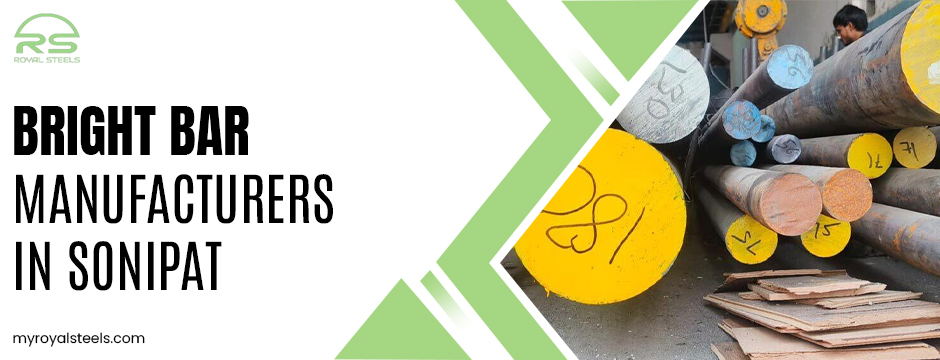
Sonipat — a thriving industrial town in Haryana, India — has become a notable hub for steel and allied manufacturing units, including bright bar producers. Bright steel bars are precision-finished steel products valued for high tensile strength, tight dimensional tolerance, and superior surface finish, which make them indispensable across sectors like automotive manufacturing, construction, and engineering. These bright bars go through a specialised cold-finished process that yields exact geometry and excellent mechanical properties, making them preferred materials for high-precision components.
Yet, as demand surges — driven by booming infrastructure projects and rapid industrial expansion — manufacturers in Sonipat face a series of operational, technical, and market-driven challenges. These challenges not only affect production efficiency but also the ability to maintain quality and compete at both national and global scales. Addressing them strategically has become essential for the local steel ecosystem’s sustainability and growth prospects in the coming decade. In this blog, we explore the top hurdles confronting bright bar manufacturers in Sonipat and the effective solutions adopted to transform these challenges into opportunities.
Managing Fluctuating Raw Material Prices
One of the most persistent challenges bright bar manufacturers face is volatile prices in raw materials — particularly steel billets or wire rods, which serve as primary inputs. Price swings, often influenced by global iron ore markets, import duties, and energy costs, can drastically increase production expenses, squeezing profit margins.
How Manufacturers Overcome It:
- Strategic Procurement Contracts: Many producers forge long-term contracts with suppliers to lock in prices and ensure supply continuity.
- Bulk Purchasing & Inventory Hedging: By purchasing materials in bulk during low-price periods and hedging inventory, manufacturers minimise exposure to sudden price spikes.
- Material Optimisation: Efficient yield management and scrap reduction practices help reduce the total volume of raw materials needed per unit of output.
These measures help stabilise costs and allow manufacturers in Sonipat to offer competitive pricing without compromising product quality.
Maintaining Consistent Quality Standards
Bright steels bars must meet exacting quality benchmarks — including dimensional tolerance, surface finish, and mechanical strength — to serve precision industries like automotive and aerospace. Achieving this consistency is technically demanding, especially under cost pressures and large-scale production targets.
Challenges Include:
- Surface imperfections such as micro-scratches.
- Variations in mechanical properties due to inconsistent cold-drawing processes.
- Difficulty in detecting defects early in the production cycle.
Solutions Employed:
- Advanced Quality Control Systems: Manufacturers implement enhanced inspection protocols and real-time monitoring to catch flaws early.
- Automation in Finishing Processes: Use of CNC-controlled grinding and polishing machines minimises manual errors and improves uniformity.
- Skilled Workforce Training: Regular training sessions ensure technicians are adept at maintaining stringent quality checks throughout production.
Investing in quality systems not only meets industrial standards but also enables manufacturers to build trust with long-term customers.
Adopting Technological Upgrades
Legacy manufacturing setups with outdated machines and manual processes struggle to compete with advanced steel producers that harness automation, digital quality control, and robotics. Adopting Industry 4.0 technologies presents barriers such as high upfront costs and workforce skill gaps.
How They Adapt:
- Phased Technology Modernisation: Rather than full overhauls, many Sonipat units upgrade incrementally — starting with digital measurement instruments and robotic polishing lines.
- Collaborations with Tech Providers: Partnerships with automation vendors help facilitate smoother technology integration.
- Government Scheme Leverages: Manufacturers leverage government incentives aimed at modernising MSME clusters and reducing industrial emissions for financial support.
By embracing smart manufacturing innovation, producers improve operational efficiency, reduce defects, and stay competitive in quality-focused market segments.
Skilled Labor and Workforce Challenges
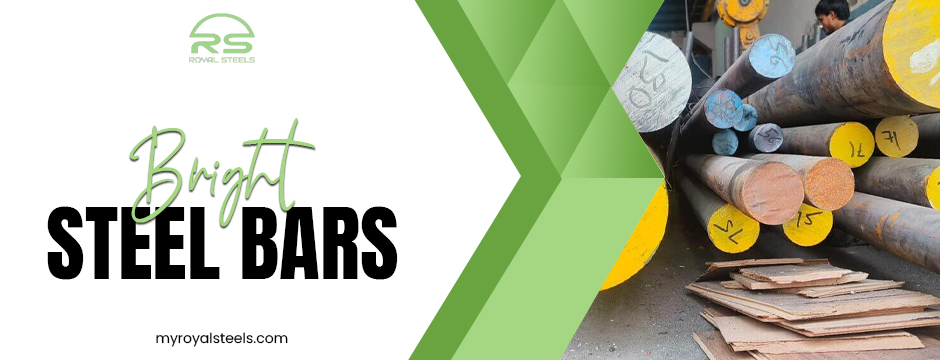
Bright Steel Bars manufacturing demands technical precision, from cold drawing and heat treatment to quality inspection. However, gaps in skilled tooling and machine expertise often limit productivity. Sonipat manufacturers compete with larger steel hubs for qualified labour, and attrition can be high.
Mitigation Strategies:
- In-house Upskilling Programs: Businesses conduct regular on-site training and partner with vocational institutions to develop talent.
- Performance-Linked Incentives: Introducing productivity-based bonuses helps with retention and motivates skill enhancement.
- Collaborations with Technical Institutes: Internship and apprenticeship programs provide a ready pipeline of trained workers familiar with bright bar processes.
These workforce development measures improve operational stability and reduce error rates tied to human performance.
Energy and Environmental Compliance Pressures
Steel manufacturing — including bright bar production — is energy-intensive, requiring consistent power and heat for drawing, annealing, and finishing. Rising energy costs and environmental regulations add cost pressures and compliance obligations.
Solutions Adopted by Manufacturers:
- Energy Efficiency Investments: Use of electric induction heating, LED systems, and energy recovery systems reduces operational costs.
- Green Compliance Roadmaps: Many Sonipat units now adopt eco-friendly production practices to meet emission standards and avoid fines.
- Alternative Energy Adoption: Incorporating solar or waste-heat recovery systems helps offset energy costs and improve sustainability credentials.
By managing energy consumption smartly, Bright Bar Manufacturers in Sonipat align with environmental mandates while lowering production costs.
Market Competition and Branding Challenges
With many players entering the bright bar segment nationwide, manufacturers in Sonipat face stiff competition from larger steel-producing regions such as Mandi Gobindgarh and international imports. Differentiating on quality and reliability, rather than price alone, remains a core challenge.
Approaches to Compete:
- Brand Building & Certifications: Achieving quality certifications such as ISO 9001 enables manufacturers to strengthen credibility.
- Targeting Niche Sectors: Focusing on specialised grades for engineering, automotive, or critical machinery parts helps diversify revenue.
- Value-Added Services: Offering logistics coordination, custom sizes, and post-sale support improves customer retention.
These strategies help Sonipat manufacturers stay relevant in a crowded market and secure long-term contracts.
End Notes
Bright Bar Manufacturers in Sonipat stand at a critical juncture — balancing traditional steel-making expertise with modern demands for precision, sustainability, and global quality standards. Despite challenges like raw material volatility, quality consistency pressures, workforce shortages, technological transitions, energy costs, and market competition, manufacturers are responding with strategic planning, continuous improvement, and targeted investments.
For businesses seeking trusted, quality-assured bright bars that meet industry benchmarks, Royal Steels offers solutions backed by advanced manufacturing, rigorous quality control, and a commitment to supporting infrastructure and engineering excellence. Our expertise reflects how Sonipat’s bright bar sector is evolving to meet the future head-on — delivering premium products built to withstand the demands of modern industry.
Frequently Asked Questions
Bright bars are cold-finished steel bars known for their precise dimensions, smooth surface finish, and enhanced mechanical strength. They are widely used in automotive, construction, and engineering industries where accuracy, durability, and consistency are critical for manufacturing high-performance components.
Sonipat benefits from strong industrial infrastructure, proximity to Delhi-NCR, access to raw materials, and excellent road connectivity. These advantages make it a preferred location for steel processing units serving domestic and export markets.
Fluctuating raw material prices are a major challenge as they directly impact production costs and margins. Manufacturers address this through strategic sourcing, bulk procurement, and efficient inventory management.
Consistent quality is ensured through advanced cold-drawing processes, strict inspection protocols, automated finishing machinery, and skilled workforce training. Regular testing guarantees compliance with industry standards.
Manufacturers are adopting energy-efficient machinery, eco-friendly practices, and alternative energy solutions like solar power to reduce operational costs while meeting environmental regulations.