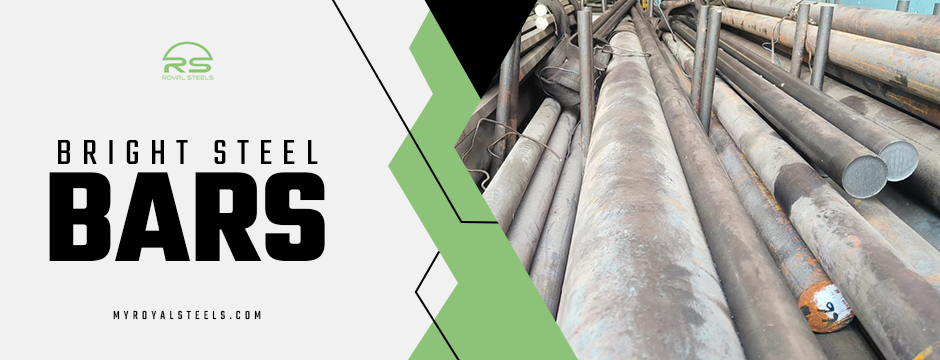
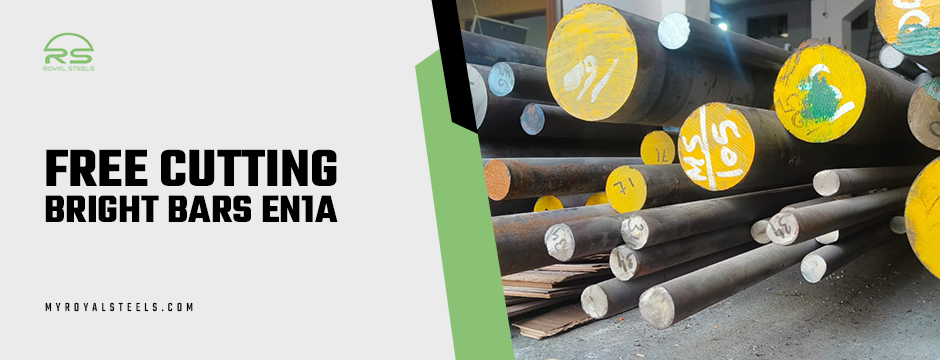
Top Applications of Free Cutting Bright Bars EN1A in Manufacturing

In the world of 21st-century manufacturing, precision, efficiency, and cost-effectiveness are mission-critical to success. Free Cutting Bright Bars EN1A deliver those three points all day long. When a material has excellent machinability, a nice surface finish and superior dimensional accuracy, you end up having a tremendous resource across various industries.  EN1A bright bars are commonly utilised for anything from automotive components to engineering tools in products that require thorough machining and tight tolerances with dependable performance.

One of the advantages of EN1A as opposed to traditional steel is the chemical characteristics of a Free Cutting Bright Bar, which are designed to increase cutting efficiency during the machining process. The chemical composition of EN1A includes very small infusions of sulfur and manganese that aid in smooth cutting while extending the life of cutting tools. These bright bars will not only reduce production time for the user, but the result will have a great finish, which is primarily why manufacturers specify bright bars.

Automotive Industry

The automotive industry is one of the largest consumers of EN1A free-cutting bright bars. The machinability of Bright Steel Bars leads to the fabrication of accurately and complex-shaped components that are essential to produce:

  • Shafts and Axles – produced for steering systems, transmission and wheel assemblies in which dimensional accuracy is very important.
  • Fasteners and Bolts – in which the EN1A bright bars are machined to produce bolts, nuts and screw fasteners for vehicles.
  • Gear Components – well suited for gears that require to have strength, wear resistance and accuracy.
  • Engine Parts – fuel system components (e.g. pump fittings) and other engine fittings, etc., frequently make use of EN1A.

EN1A bright bars are valued in the automotive industry for providing reliability, high performance and are also low-cost cost producing many components economically by volume.

General Engineering Components

In all engineering applications where precision and reproducibility are essential, EN1A bright bars are demonstrated quality since they provide the basis of components such as:

  • Bushes and Couplings – EN1A bright bars provide uniform, smooth finishing, permitting fixed engagement to assemble accurately.
  • Studs and Pins – are manufactured to ensure all components fit with aggressive tolerances and permit assembly into the dynamics of assembled components.
  • Hydraulic Fittings – common in heavy machinery and assemblages have components manufactured in EN1A bright bars, providing a robust pressure resisting fitting.

Since EN1A bright bars offer quality machining for dimensions, consistency and extreme machinability, these components can be made to specification.

Electrical and Electronic Applications

Another application area where Free Cutting Bright Bars EN1A are well adapted is in the manufacture of electrical/electronic apparatus. The most typical applications include:

  • Switchgear Parts – The precision components required in switches, breakers and connectors.
  • Terminals and Connectors – EN1A provides reliability where maintaining reliable finishing is essential at electrical contact points.
  • Control Panels – Fittings and mechanical supports in control systems.

Electrical Applications can rationally expect that materials will be formed into complex parts necessary for electrical installation without causing significant loss of conductivity or strength. EN1A bright bar fits these criteria exceptionally well.

Fasteners and Fixings

Fasteners are potentially the most important items used in manufacturing, and EN1A is a popular material from which fasteners can be made. Examples of fasteners include:

  • Screws, Nuts, and Bolts – When producing fasteners to high tensile strengths with a smooth surface finish.
  • Washers and Rivets – Lasting security in a secured fitting made with manufactured precision.
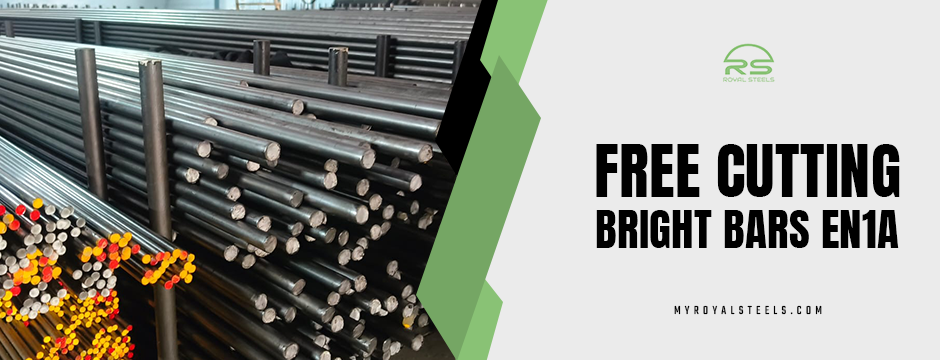
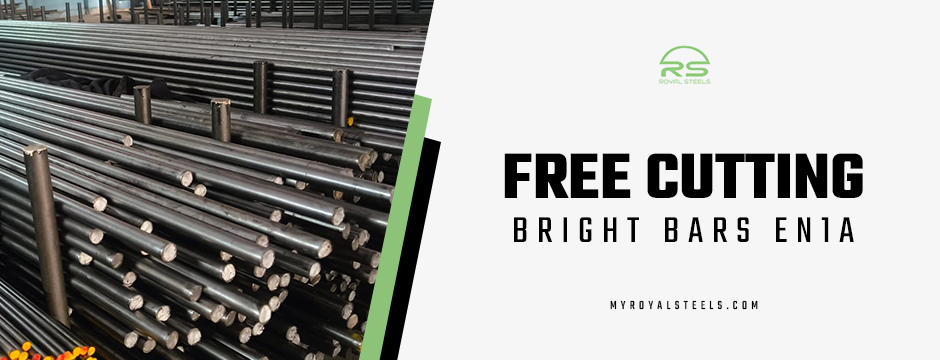
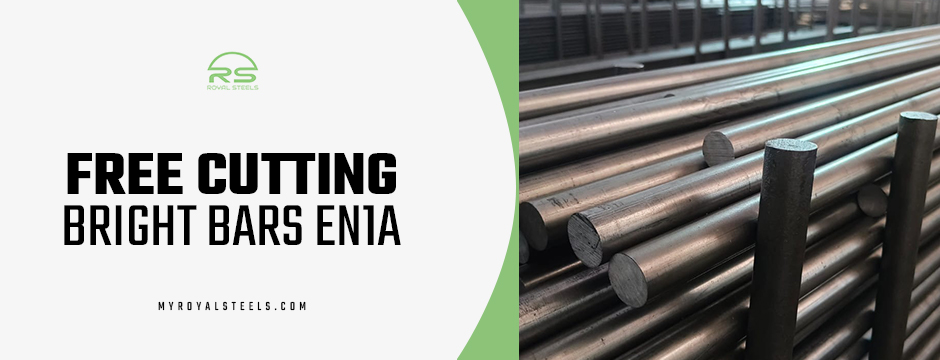
Free Cutting Bright Bars EN1A

EN1A will be used in fasteners across innumerable industries from construction to electronics due to its uniformity and even smooth surface.

Tools and Parts for Machinery

EN1A bright bars are also used for tools and machinery parts that require accurate machining, such as: 

  • Hand Tools – Screwdrivers, wrenches, and spanners often use EN1A bright bars to provide durability and precision.
  • Cutting Tools – Specialised tools for lathes, drilling and milling operations. 
  • Spindles – with precision and balance are required.

The easy machining offered by EN1A prolongs tool life and increases productivity, hence why toolmakers will typically use EN1A as their preferred material. 

Furniture and Decorative Applications 

Interestingly, EN1A bright bars can be found in furniture and decorative manufacturing, too. Because of the bright, smooth and polished appearance, EN1A bars can be used in: 

  • Table and chair frames
  • Handles and decorative fittings
  • Structural supports in modular furniture

Manufacturers often use EN1A bars for furniture applications due to strength and aesthetics.

Bottom Line

From the automotive sector to medical equipment, the applications of Free Cutting Bright Bars EN1A span across industries, proving their versatility and importance in modern manufacturing. Their exceptional machinability, bright finish, and cost-effectiveness make them indispensable for producing components with precision and efficiency. Whether it’s high-performance automotive parts, durable fasteners, or finely crafted engineering tools, EN1A bright bars provide the foundation for reliable products that power industries worldwide.

If you are looking for premium quality EN1A Free Cutting Bright Bars for your business, Royal Steels is your trusted partner. With a strong reputation for delivering top-grade bright bars, we ensure you get materials that meet international standards and support your manufacturing needs. Explore our wide range of products and enhance your production efficiency with the best in the market.

Frequently Asked Questions

EN1A Free Cutting Bright Bars are low-carbon steel bars containing added sulphur and manganese to improve machinability. They are supplied in a bright drawn finish, giving them excellent dimensional accuracy and a smooth surface—ideal for precision engineering applications.
EN1A steel is widely preferred because of its outstanding machinability. It allows for faster cutting speeds, reduces tool wear, and produces smooth, accurate components—making it cost-effective for high-volume production in sectors such as automotive, machinery, and electrical equipment.
Industries that commonly use EN1A bright bars include:

Automotive – fasteners, shafts, precision parts
General engineering – machine components, fittings
Electrical and electronics – connectors, housings
Agriculture – tools and implements
Medical equipment – precision-machined parts
Construction – hardware and fasteners
Tool manufacturing – small precision tools
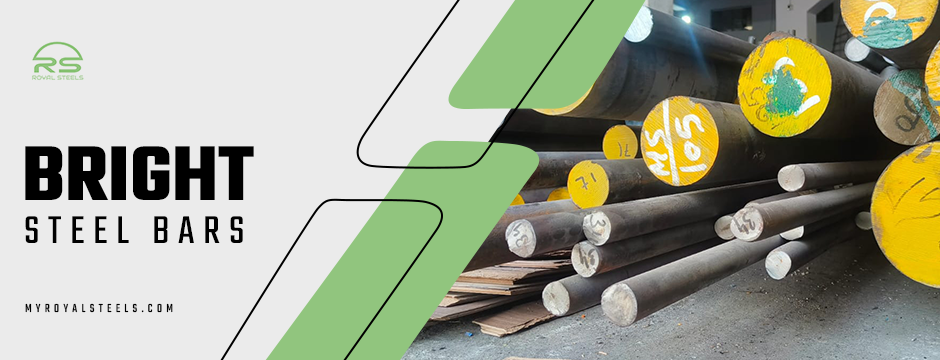
EN1A is not generally recommended for welding because the sulphur content can cause weld cracking. If welding is unavoidable, preheating and appropriate post-weld treatments are advised.
High-quality EN1A Free Cutting Bright Bars are available from reputed steel suppliers. For example, Royal Steels is a trusted source known for providing reliable, high-grade steel products for industrial and manufacturing needs.

How Bright Steel Bars Enhance Strength and Durability in Construction?

In the modern construction industry, where strength, precision, and reliability are the cornerstones of success, the choice of building materials becomes crucial. Every skyscraper, bridge, residential tower, or industrial plant relies on a solid framework that must withstand immense pressure and the test of time. Among the many materials available, steel remains the backbone of modern infrastructure. But within the realm of steel, not all types are the same. This is where bright steel bars step into the spotlight as one of the most reliable and durable options for construction.

Bright bars are specially processed through cold finishing techniques to create a smoother, polished surface with enhanced mechanical properties. Unlike conventional hot-rolled bars, they are free from rust, scale, and irregularities. What makes them truly remarkable is that their strength, dimensional accuracy, and fatigue resistance go beyond ordinary steel, giving builders and engineers a material they can rely on for projects of any scale.

Enhanced Strength – The Core Advantage

One of the most significant contributions of bright bars in construction is the increase in structural strength they provide. Modern projects are expected to withstand enormous weight, pressure, and environmental stress, and bright bars are perfectly suited for these demands. Their manufacturing process improves tensile properties, ensuring they can endure heavy loads without bending or cracking. 

Bright bars also have excellent fatigue resistance, meaning they can withstand repeated stress cycles such as those caused by vibrations, moving loads, or traffic. In addition, the cold drawing process gives them a uniform internal structure, eliminating weak points that can cause failure in ordinary steel. When used in building foundations, frameworks, and load-bearing components, steel bars create a stronger, more resilient structure that can stand firm for decades.

Durability – Building for Longevity

Durability is just as important as strength in construction. Builders are not only tasked with creating structures that stand tall today but also with ensuring they remain safe and reliable for future generations. Bright steel bars are a trusted solution because they are less prone to corrosion, more dimensionally accurate, and require less maintenance than conventional bars.

Their polished surface reduces susceptibility to rust, making them especially suitable for projects exposed to moisture and fluctuating weather conditions. Unlike traditional steel bars, which may warp or deteriorate over time, bright bars maintain their form and integrity for much longer. This translates into reduced repair costs and longer service life for buildings, bridges, and industrial installations.

Wide Range of Applications

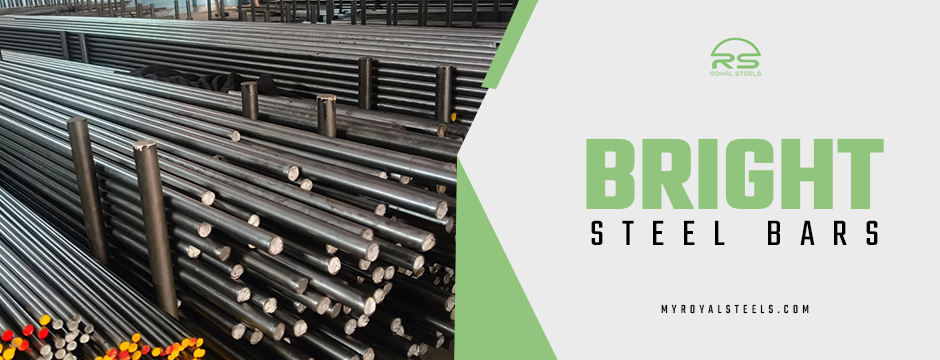
Bright Steel Bars

Steel bars are not limited to a single type of construction work. Their strength, versatility, and durability make them essential in a wide range of applications, such as:

  • Concrete reinforcement: They add tensile strength to concrete, which is naturally weak under tension.
  • Structural frameworks: Ideal for frames, beams, and supports in high-rise buildings and industrial plants.
  • Infrastructure projects: Bridges, flyovers, and highways often use bright bars for their fatigue resistance and durability.
  • Residential housing: From foundations to reinforcements, they ensure stronger and more stable homes.
  • Heavy-duty industrial use: Bright bars are widely used in plants, machinery bases, and other large-scale applications.

This versatility makes them an indispensable material across different segments of the construction sector.

Why Builders and Engineers Prefer Bright Bars?

Construction professionals increasingly favour bright bars because they bring together both performance and practical benefits. 

  • Ease of fabrication: They can be cut, welded, and shaped more accurately, reducing construction time and effort.
  • Aesthetic appeal: Their polished surface allows them to be used in exposed structures where appearance matters.
  • Reduced long-term costs: Their longevity and low maintenance requirements make them more cost-effective despite slightly higher initial investment.
  • Sustainability: Stronger, longer-lasting materials reduce waste and align with eco-friendly building practices.

In essence, the Leading Supplier of Bright bar combine functionality with economic and environmental advantages, which makes them a future-ready choice.

Bright Bars vs. Conventional Steel Bars

While both bright and conventional steel bars are used in construction, bright bars offer advantages in areas where high precision, strength, and durability are essential. Unlike conventional bars, which are rough, prone to rust, and have less dimensional accuracy, bright bars bring smooth finishes, uniform strength, and higher fatigue resistance. Builders and engineers prefer them when working on projects that require longevity, safety, and reduced maintenance costs.

By choosing bright steel over ordinary steel, professionals ensure that their structures remain more stable and reliable under heavy use and challenging conditions.

Wrapping Up

In the world of construction, strength and durability are non-negotiable. Bright steel bars offer both, along with the added benefits of precision, resistance to corrosion, and low maintenance. From residential projects to massive infrastructure developments, they deliver superior performance and ensure that every structure stands strong for generations.For those seeking the highest quality bright bars, Royal Steels is a trusted name that delivers excellence and reliability. With our premium steel solutions, builders and engineers can achieve unmatched strength and durability in every project. Choosing bright steel from us is not just about building structures—it’s about building the future with confidence.

Frequently Asked Questions

What are bright steel bars used for in construction? +
Bright steel bars are widely used for reinforcing concrete, building structural frameworks, fabricating beams, and supporting large-scale infrastructure like bridges and industrial plants.
How are bright steel bars different from conventional steel bars? +
Unlike conventional bars, bright bars undergo cold finishing processes, giving them a polished surface, higher strength, better dimensional accuracy, and improved resistance to corrosion.
Are bright steel bars stronger than regular steel bars? +
Yes, steel bars have higher tensile strength and fatigue resistance, making them more reliable under heavy loads and stress compared to regular steel bars.
Why do engineers prefer bright steel bars? +
Engineers prefer them because they are easier to fabricate, highly durable, corrosion-resistant, and provide long-term cost savings by reducing maintenance and repair needs.
Where can I buy high-quality bright steel bars for my construction project? +
You can purchase premium-quality bright bars from Royal Steels, a trusted supplier known for delivering reliable and durable steel solutions for all types of construction needs.

Tips to Source Durable Mild Steel Black Bars for Long-Term Use

Mild steel black bars are widely used in construction, fabrication, automotive, and general engineering due to their durability, affordability, and ease of welding. However, the long-term performance of mild black bars depends largely on their quality and sourcing method. If the bars are not manufactured under strict quality controls or sourced from an unreliable supplier, they may be prone to corrosion, poor tensile strength, or surface imperfections—leading to structural vulnerabilities.

For long-term projects, especially those involving load-bearing or critical infrastructure, it is vital to procure durable and consistent-grade steel bars. This ensures not just safety and stability, but also reduces the need for frequent maintenance or replacement—ultimately cutting down project costs over time. Whether you’re a contractor, fabricator, or procurement manager, knowing how to identify and source the best quality black bars is essential for project success. This blog delves into key tips and industry best practices to help you source mild steel bars that stand the test of time. 

Understand the Basics of Mild Steel Black Bars

Before sourcing, it’s important to understand what mild black bars are. These are hot-rolled steel bars with a black oxide scale on the surface (hence the name). They’re made from low-carbon steel, which makes them easy to work with, cut, and weld.

Key properties of steel black bars include:

  • High ductility and toughness
  • Low tensile strength compared to alloyed steels
  • Easily weldable and machinable
  • Cost-effective for general fabrication purposes

Applications range from brackets and braces to fences, gates, frames, and structural supports.

Choose the Right Grade of Steel

Not all mild steel black bars are created equal. Depending on your application, the correct grade of steel can make a big difference in durability.

Some common grades used for mild steel bars:

  • IS 2062 Grade A/B – Ideal for general structural applications
  • EN8/EN9 – Medium carbon steel with better strength and wear resistance
  • SAE 1018 – Good for forging, cold forming, and machining
  • MS Bright Bars (if tolerance is key) – These are processed further for tighter tolerances

Before purchasing, consult with your structural engineer or project manager to confirm the appropriate grade. Always check if the supplier can provide MTC (Mill Test Certificates) confirming the grade and chemical composition.

Check for Dimensional Accuracy and Surface Quality

Durable black bars must be uniform in thickness, length, and shape. Inconsistent bars can result in weak joints, misalignment, or additional fabrication costs.

When inspecting bars or reviewing samples:

  • Check for straightness
  • Inspect the surface for cracks, rust, or pitting
  • Measure dimensions (length, diameter) with callipers
  • Ensure consistency across different batches

Even though black bars are hot-rolled and may have minor surface imperfections, excessive flaws are signs of poor quality.

Look for Suppliers With Proven Track Records

Choosing a reliable supplier is perhaps the most crucial factor in sourcing durable mild black bars. Look for vendors who have:

  • Decades of experience in steel manufacturing or distribution
  • Established clientele in infrastructure, real estate, or heavy machinery sectors
  • In-house quality control systems
  • ISO certifications or BIS approvals

Also, check online reviews, testimonials, and ratings on platforms like IndiaMART, Google Business, or supplier marketplaces to assess the supplier’s credibility.

Verify Certifications and Compliance

Always request documentation that verifies the quality and origin of the steel bars. This can include:

  • Mill Test Certificates (MTC)
  • BIS Certification (for compliance with Indian Standards)
  • ISO 9001:2015 (Quality Management System)
  • Third-party inspection reports, if applicable

These documents help ensure that you’re getting steel that complies with industry standards for chemical composition, mechanical properties, and overall safety.

Ask About Protective Packaging and Delivery Methods

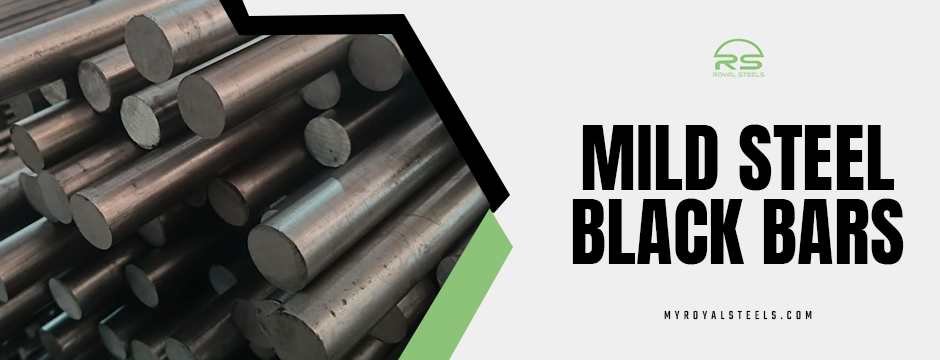
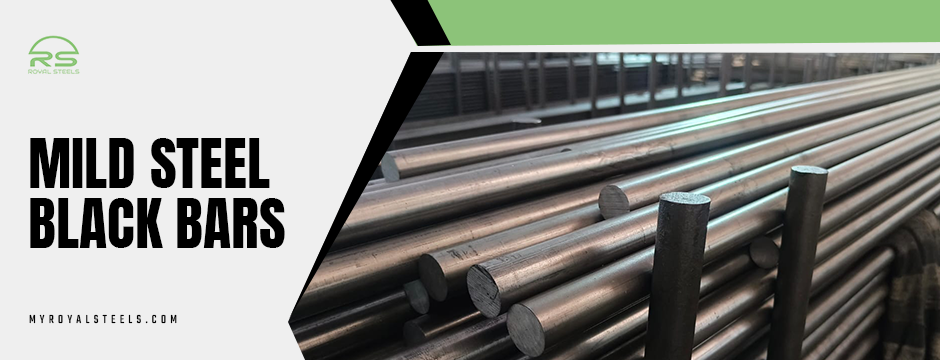
Mild Steel Black Bars

Bright Steel Bars can develop rust if not stored or transported properly. To ensure long-term durability, ask your supplier about:

  • Anti-rust coatings or oils
  • Bundled packaging with protective layers
  • Covered transportation to prevent exposure to moisture
  • On-site storage tips

If you’re working in coastal or humid regions, you might also consider galvanised or coated bars for better corrosion resistance.

Compare Prices Without Compromising on Quality

Price matters—but compromising on steel quality to save a few rupees per kilo can cost more in the long run. Poor-quality bars can lead to failures, repairs, and liabilities.

Always compare quotes from multiple trusted suppliers, but prioritise:

  • Grade authenticity
  • Certification
  • Service quality
  • Delivery reliability

Also, watch out for unusually low prices—they may indicate recycled or substandard steel.

Consider Value-Added Services

Some suppliers offer added services that can increase efficiency and durability for your project, such as:

  • Custom cutting and bending
  • Shot blasting and surface treatment
  • Inventory management for bulk orders
  • Logistics coordination for remote sites

A supplier who goes beyond just delivering steel and supports your project logistics adds long-term value.

Request a Sample or Test Order First

If you’re dealing with a new supplier, always request a sample or place a small test order before committing to bulk procurement.

Use this initial order to:

  • Test fabrication compatibility
  • Inspect quality consistency
  • Assess packaging and delivery timelines
  • Verify certifications and documentation

This trial approach reduces risk and ensures you’re partnering with a dependable supplier.

Build a Long-Term Supplier Relationship

Sourcing durable materials is not just about finding the right bars—it’s also about building long-term relationships with the right suppliers. A consistent, trustworthy vendor will:

  • Understand your project timelines
  • Ensure availability during peak demand
  • Offer preferential pricing for repeat business
  • Keep you updated on steel market trends and price fluctuations

Such relationships bring more reliability and long-term cost benefits than switching vendors for minor price differences.

End Thoughts

When sourcing mild steel black bars for any long-term application, quality, consistency, and supplier reputation matter just as much as price. By following these tips—understanding the grade, inspecting the quality, ensuring compliance, and building strong supplier ties—you can ensure your investment stands strong for years to come.

If you’re looking for a trusted source of durable mild black bars, Royal Steels is your ideal partner. With years of experience, high-quality manufacturing standards, and a strong commitment to customer satisfaction, we deliver only the best. Whether you need bars for construction, engineering, or industrial use, we ensure you get certified, durable, and competitively priced materials delivered right to your site.

Frequently Asked Questions

What are mild steel black bars used for?
Mild steel black bars are commonly used in construction, fabrication, and general engineering. They are ideal for structural frameworks, brackets, gates, machinery parts, and more due to their ductility and weldability.
How can I identify good-quality mild steel black bars?
Look for uniform dimensions, straightness, and minimal surface flaws. Always check for Mill Test Certificates (MTC) and supplier certifications like ISO or BIS to ensure quality and compliance.
Are mild steel black bars prone to rusting?
Yes, since they are hot-rolled and untreated, black bars can rust when exposed to moisture. Proper storage, anti-rust coating, or purchasing galvanised bars can help prevent corrosion.
What is the difference between black bars and bright bars?
Black bars are hot-rolled and have a scale finish, while bright bars are cold-finished and polished for precision and surface finish. Bright bars offer tighter tolerances and better aesthetics.
Where can I buy durable mild steel black bars in India?
You can source durable and certified mild steel black bars from trusted suppliers like Royal Steels, known for consistent quality, prompt delivery, and value-added services.

Why Free Cutting Bright Bars EN1A Are Ideal for Precision Machining?

In today’s fast-paced manufacturing landscape, precision and efficiency are not just desired—they are demanded. Industries such as automotive, aerospace, electronics, and medical device manufacturing rely heavily on materials that can meet tight tolerances and deliver consistent quality under demanding production environments. This is where the importance of choosing the right raw material becomes crucial.

Free-cutting bright bars, particularly EN1A grade, have emerged as a top choice among manufacturers for their outstanding machinability and dimensional accuracy. These bars are specially formulated to reduce tool wear, enhance cutting speeds, and maintain surface finishes that meet the highest industry standards. In this blog, we’ll delve deep into the characteristics, benefits, and applications of Free Cutting Bright Bars EN1A and why they are the go-to material for industries seeking flawless machining performance.

Explaining EN1A: What Makes it Different

EN1A is a low-carbon mild steel grade renowned for its excellent machinability, making it ideal for high-speed machining applications. Categorized under free-cutting steels, EN1A is typically supplied as Free Cutting Bright Bars EN1A, known for their smooth surface finish and dimensional accuracy. The improved machinability comes from its unique chemical composition, especially the addition of a small amount of sulfur, which enhances chip formation during cutting operations. This makes EN1A a preferred choice for producing precision components with tight tolerances.EN1A chemical composition:

  • Carbon (C): 0.07% max
  • Manganese (Mn): 0.90% max
  • Sulfur (S): 0.20 – 0.30%
  • Phosphorus (P): 0.07% max

The main feature that distinguishes EN1A from standard mild steel is the high sulfur content. The extra sulfur increases machinability by providing better lubrication to the cutting edge and reducing heat generated during cutting, allowing for higher speed operations.

Primary Characteristics of EN1A Free-Cutting Bright Bars

Unrivaled Machinability

EN1A is often referred to as the gold standard of machinability in mild steels. The chip-breaking benefits result in less clogging of tools, higher feed rate, and longer tool life. This translates to lower operational costs and higher throughput.

Dimensional Precision

These bars are cold-drawn with tight tolerances to ensure consistent dimensions across the entire bar. This is essential for CNC machining and automated production lines where consistent dimensions are mandatory.

Excellent Surface Finish

The bright finish of EN1A means there is no need for further processes like polishing or grinding, which is ideal for applications requiring appearance and a smooth surface.

Simple Threading and Turning

EN1A is particularly suitable for turning, drilling, and threading and as such is widely used for the manufacturing of fastener, part, and shaft components.

Cost-Effective

Based on ease of machining and less tool wear, EN1A is cost-effective over the long term despite its slightly higher cost than general mild steel.

Applications of EN1A Bright Bars in Precision Machining

Free Cutting Bright Bars EN1A

Due to its unique properties, EN1A bright bars find applications in a wide range of industries:

  • Automotive Components: Used for making precision-engineered fasteners, pins, bushings, and shafts.
  • Electrical & Electronics: Ideal for making connectors, terminals, and intricate fittings.
  • Medical Equipment: Utilised in components where fine tolerances and surface finish are critical.
  • General Engineering: Used in machinery parts, gears, and coupling elements.
  • Fastener Manufacturing: Its ability to undergo threading without breakage makes it a perfect material for screws, bolts, and nuts.

Machining Notes on EN1A Bright Bars

To facilitate the best machining experience with Free Cutting Bright Bars EN1A, consider the following machining notes:

  • Carbide Tools: Using a carbide tool tends to provide a superior finish and withstands the heat.
  • Coolants: Despite the lower heat generation of EN1A, using any water-based coolant will reduce tool wear.
  • Speed & Feed Rate: High speeds and medium feed rates should create the best results because of the softness of the material.
  • Weldability: EN1A should not be welded due to its high sulfur content, which will lead to cracking and poor weld quality.

Why EN1A is Perfect for CNC and Automated Machining?

In modern manufacturing, CNC (Computer Numerical Control) systems and automated machining centres dominate production lines due to their accuracy, repeatability, and efficiency. These environments require materials that can perform consistently across long production runs without causing tool wear or machine downtime—and EN1A free-cutting bright bars fit this requirement perfectly.

  1. Reduced Cycle Time: EN1A’s excellent machinability ensures smoother chip evacuation and reduced resistance during cutting, enabling machines to operate at optimal speeds. This significantly lowers cycle times and boosts productivity.
  2. Minimal Tool Wear: The material’s low carbon and added sulfur work together to create self-lubricating properties during cutting operations. This reduces friction and heat, extending the life of expensive CNC tools and inserts.
  3. High Repeatability: Consistency is key in automated systems. EN1A bright bars are manufactured with precise tolerances and uniform metallurgical composition, ensuring that each machined part meets exact specifications with minimal deviation.
  4. Ease of Programming: Because of the material’s predictable behaviour during machining, CNC programmers can use standard feeds and speeds without constant adjustment, making programming more efficient and reliable.

For manufacturers running high-volume CNC setups or automated production lines, EN1A offers a distinct edge in efficiency, cost, and product consistency.

End Thoughts

When it comes to high-performance, precision-oriented applications, Free Cutting Bright Bars EN1A offer a reliable, consistent, and cost-effective solution. Their superior machinability, excellent surface finish, and tight dimensional tolerances make them an industry favourite for everything from automotive components to electronic hardware.That’s where Royal Steels stands out. With a strong commitment to quality, consistency, and client satisfaction, we provide high-grade EN1A bright bars that meet stringent industrial requirements. Whether you need standard sizes or custom specifications, our solutions are tailored to your business needs.

Frequently Asked Questions

What is an EN1A bright bar?
EN1A bright bar is a type of low-carbon, free-cutting mild steel bar with added sulfur to improve machinability. It is known for its smooth finish, tight tolerances, and excellent performance in high-speed machining.
Why is EN1A considered a free-cutting steel?
EN1A contains sulfur, which improves chip breakability during machining. This reduces tool wear and enables faster cutting speeds, making it ideal for operations like turning, drilling, and threading.
Can EN1A bright bars be welded?
Free Cutting Bright Bars EN1A are not recommended for welding due to their high sulfur content, which can lead to poor weld strength and cracking. For weldable alternatives, other mild steel grades should be considered.
What are the common applications of EN1A bright bars?
They are widely used in manufacturing automotive components, precision fasteners, electronic fittings, shafts, bushings, and various general engineering parts.
Why should I choose Royal Steels for EN1A bright bars?
Royal Steels offers premium quality EN1A bright bars with consistent tolerances and finishes. They are trusted for timely delivery, custom sizes, and reliable support for industrial machining needs.

The Rise of Bright Bar Manufacturers in India: Trends and Innovations

India’s industrial landscape is undergoing a significant transformation, and one of the key drivers of this change is the increasing demand for high-quality, precision-engineered components. At the heart of this evolution lies the rise of Bright Bar Manufacturers in India—a crucial but often overlooked segment of the steel industry. Bright bars, known for their dimensional accuracy, smooth surface finish, and superior mechanical properties, are fast becoming indispensable across various sectors, including automotive, aerospace, construction, agriculture, and general engineering.

Over the last decade, India has emerged not just as a consumer but as a global supplier of bright bars, riding on a wave of modernisation, technological innovation, and increasing investments in manufacturing infrastructure. From traditional steel mills to specialised bright bar plants, manufacturers are innovating with new production techniques, automation, and value-added services to cater to both domestic and international markets. This blog explores the trends, innovations, and driving factors behind the rapid growth of bright bar manufacturing in India and why this sector is now critical for the country’s industrial progress.

Key Growth Drivers Behind Bright Bar Manufacturing in India

Several interconnected factors are fueling the growth of bright bar production in India:

Rise in Automotive and Engineering Sectors

India’s automotive sector is one of the largest in the world and is a major consumer of bright bars, which are used in shafts, axles, fasteners, and engine components. Additionally, the engineering goods sector—including machine tools, pumps, and valves—heavily relies on bright bars for precision components.

Government Push for “Make in India”

The Government of India’s “Make in India” initiative has played a pivotal role in encouraging domestic production and reducing import dependency. This has led to significant investments in local steel processing and value-added manufacturing, including bright bar facilities.

Growth in Exports and Global Recognition

Bright bar manufacturers in India are increasingly exporting their products to countries in Europe, the Middle East, and Southeast Asia, thanks to competitive pricing and improved quality standards. The global appetite for reliable and cost-effective suppliers has further boosted the Indian industry.

Technological Innovations Transforming the Industry

As competition increases and customer expectations evolve, Indian manufacturers are embracing technological innovations to stay ahead. These include:

CNC-Based Drawing and Straightening

Modern bright bar manufacturing units are using CNC-controlled drawing machines for precision cold drawing. These machines allow manufacturers to maintain consistent quality and tighter tolerances for high-performance applications.

Inline Ultrasonic and Eddy Current Testing

To ensure defect-free products, many manufacturers now incorporate non-destructive testing (NDT) technologies, such as ultrasonic and eddy current inspection, within their production lines. This helps in identifying surface and internal flaws in real-time.

Advanced Heat Treatment Facilities

Heat treatment processes such as annealing, quenching, and tempering are increasingly being done in controlled atmospheres, ensuring uniform metallurgical properties. These treatments are essential to achieve the desired hardness, ductility, and strength.

Surface Finishing Automation

Automation in polishing, peeling, and grinding has made it possible to achieve mirror-like finishes and superior surface integrity. This has enhanced the visual and functional appeal of bright bars, especially for visible components.

Sustainability and Eco-Friendly Manufacturing

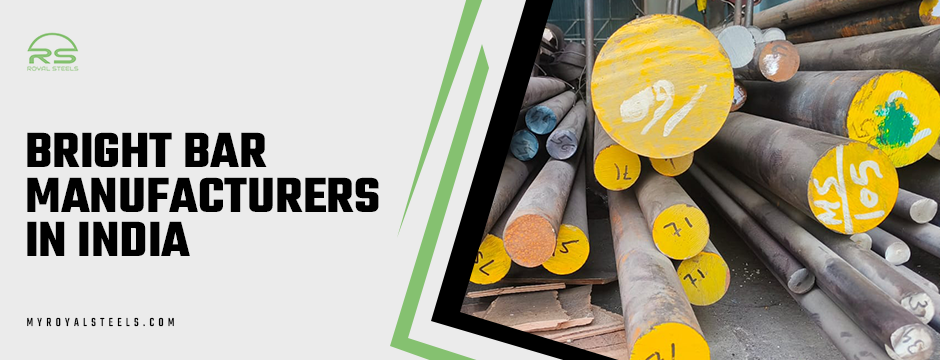
Bright Bar Manufacturers in India

Environmental responsibility is no longer optional. Indian manufacturers are now integrating sustainable practices in their operations:

  • Recycling steel scrap to reduce raw material waste
  • Using energy-efficient furnaces and equipment
  • Incorporating wastewater treatment and air filtration systems
  • Achieving certifications like ISO 14001 and RoHS compliance

These measures not only reduce environmental impact but also enhance the credibility of Indian exporters in environmentally conscious markets.

Customisation and Value-Added Services

To stay competitive, bright bar manufacturers are focusing on customisation and end-to-end solutions. Clients now demand not just raw materials, but finished or semi-finished components ready for assembly. Services offered include:

  • Precision cut-to-length bars
  • Chamfering and centerless grinding
  • Heat-treated and surface-coated bars
  • Just-in-time (JIT) deliveries for OEMs and suppliers

This transition from basic supplier to solution provider is reshaping how manufacturers engage with their clients.

Challenges Ahead and the Road Forward

While growth has been substantial, the industry still faces several challenges:

  • Fluctuating raw material prices, especially alloy steels
  • Dependence on imported equipment for advanced processes
  • Need for skilled labour in modern production setups
  • Stringent international quality certifications for export markets

To overcome these, the Leading Supplier of Bright bar are investing in training programs, backwards integration, and in-house R&D. The future of bright bar manufacturing in India lies in becoming technology-centric, export-oriented, and customer-focused, aligning with global industry trends.

Wrapping Up

In this landscape of evolving demands and constant innovation, Royal Steels stands out as a trusted bright bar manufacturers in India. With an unwavering commitment to quality, precision, and innovation, we have carved a niche as a leading bright bar manufacturer serving industries ranging from automotive to construction.

From offering customised solutions and embracing state-of-the-art technology to adhering to strict quality controls, we are the reliable partner for businesses seeking durable and high-performance steel solutions. Whether it’s round bars for machinery or hexagonal bars for fasteners, we deliver products that meet exacting international standards.

Frequently Asked Questions

What are bright bars, and how are they different from regular steel bars? +

Bright bars are cold-drawn or ground steel bars with a smooth surface finish, tight dimensional tolerances, and improved mechanical properties. Unlike regular hot rolled bars, bright bars offer better accuracy, appearance and are used in precision engineering applications.

Which industries commonly use bright bars in India? +

It is widely used across multiple sectors such as automotive, construction, aerospace, machine tools, agriculture, and general engineering. Components like shafts, axles, fasteners, and spindles rely heavily on bright bars.

Why is India becoming a hub for bright bar manufacturing? +

India offers cost-effective manufacturing, improved quality standards, access to skilled labour, and government support through initiatives like “Make in India.” These factors make India a competitive exporter and producer of bright bars globally.

What innovations are being adopted by bright bar manufacturers in India? +

Manufacturers are investing in CNC drawing machines, non-destructive testing (NDT), automated grinding, advanced heat treatment, and sustainable practices such as recycling and energy efficiency to improve quality and performance.

Where can I find a reliable bright bar manufacturer in India? +

Royal Steels is one of the leading Bright Bar Manufacturers in India, known for high-quality steel bars, customisation options, advanced infrastructure, and a strong customer-centric approach.

How Leading Bright Bar Suppliers Ensure Top Strength and Finish?

In the world of industrial manufacturing and engineering, the demand for high-quality materials that offer both durability and precision has never been greater. Among these materials, bright bars have carved a niche for themselves due to their exceptional finish, dimensional accuracy, and strength. Used extensively across automotive, construction, fabrication, and machinery industries, bright bars are a critical component in ensuring performance and reliability. But what separates a good, bright bar from an excellent one?

The answer lies in the manufacturing practices, raw material selection, surface treatments, and rigorous quality control protocols followed by leading suppliers. These suppliers go beyond standard production techniques to deliver bars that meet international specifications, resist corrosion, and maintain consistent mechanical properties across lengths and diameters. In this blog, we’ll explore how the Leading Supplier of Bright Bar, like Royal Steels, ensures the superior strength and impeccable finish that industries around the globe rely on.

Raw Material Selection

For a quality bright bar to take place, the beginning must start with the proper raw material. Reputable suppliers obtain billets and steel rods from a steel plant that is recognised for high-grade steel. We require that the materials have a chemical analysis and a physical analysis performed/tested.

  • Control of Chemical Composition: It is important to keep the proper amounts of each element (carbon, manganese, iron, maybe chromium) in a precise mixture. Even slight variations could affect the strength and machinability.
  • Traceability: To monitor each batch of material, we employ an ERP system that will allow any batch, whether it be raw input or finished product, to have full traceability.

Advanced Cold Drawing Technology

The process of Bright Bars begins with cold drawing. This involves pulling the steel bar through a die that will refine the surface and reduce the diameter of the material.

  • Dimensional accuracy: Leading suppliers utilise multi-stage drawing lines with carbide dies, which establish tight tolerances of (+/- 0.02 mm).
  • Surface Finish: The cold drawing process not only cuts raw/finished steel and reduces the outer diameter it also creates a finished product’s surface finish free of scale and polished.
  • Work Hardened. Cold working through the cold drawing process generates higher tensile and surface hardness strength without additional heat treating.

Precision Straightening and Peeling

Achieving a perfectly straight bar is essential, especially in applications that demand high rotation speeds or load-bearing performance.

  • Two-Roll Straightening Machines: These machines ensure minimal deviation over long lengths, often below 1 mm/meter.
  • Peeling and Grinding: For ultra-fine finishes, some bars undergo peeling and centerless grinding. This eliminates surface defects and ensures uniform diameter throughout the length.

In-House Heat Treatment Facilities

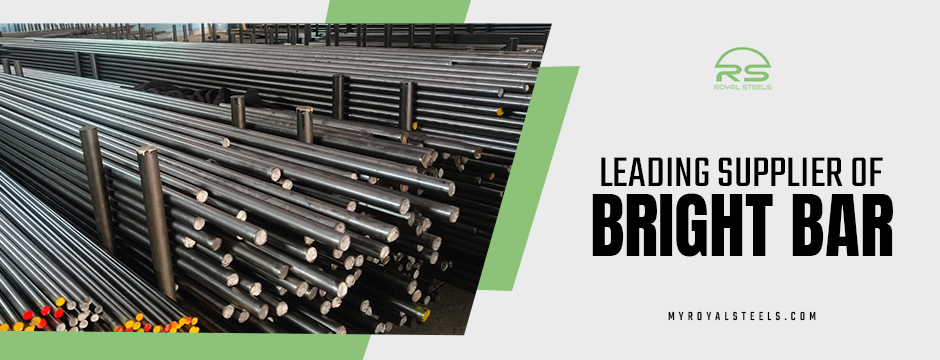
Leading Supplier of Bright Bar

To meet specific mechanical properties like tensile strength, elongation, and hardness, heat treatment is employed. Leading Supplier of Bright Bar often invests in in-house facilities for processes such as:

  • Annealing: Softens the metal, making it more ductile and easy to machine.
  • Normalisation: Refines grain structure and enhances mechanical properties.
  • Quenching and Tempering (Q&T): Enhances strength and fatigue resistance, crucial for critical engineering applications.

All these processes are meticulously monitored through programmable logic controllers (PLCs) to ensure consistency.

Impeccable Quality Control

Quality control is not a process, but rather a way of doing business. Top-tier bright bar suppliers will carry out numerous checks throughout the entire manufacturing process – from raw material checks before the manufacture of bright bar, to final checks before dispatch.

  • Ultrasonic Testing: detects internal imperfections such as cracks or voids.
  • Eddy Current Testing: non-destructive evaluation of surface defects.
  • Tensile and Hardness Testing: confirms mechanical properties meet customer and international specifications.
  • Dimensional and Visual Checks: the bright bar is straight, clean and free from visual blemishes.

Top bright bar suppliers provide a Mill Test Certificate (MTC) for every batch, which outlines the exact specifications of the material supplied and what tests were performed on the material.

Customisation and Complete Solutions

Modern engineering demands custom solutions, and top suppliers are finding ways to meet the demands of their customers – specific lengths & grades, specific surface finishes and specific packing. For example, they provide:

  • Grade Flexibility: Different types of carbon steels, alloy steels, and variations of stainless steels.
  • Size Range: Bright bars can range from 3mm to upwards of 100mm in round, square, hex, or flat bars.
  • Surface Coating Options: Anti-rust oil (industrial oil), phosphate coating, or polished surface finish – whatever the customer specifications are.

These customised solutions add to their value-added service offerings, which make them favourable for OEM and multinational stockist customers.

Efficient Supply Chain and Logistics

Consistency in quality must be matched with consistency in delivery. Leading suppliers optimise their logistics with:

  • Just-In-Time (JIT) Deliveries: Reduced inventory load for clients and guaranteed availability.
  • Global Reach: Export-ready packaging and certifications for hassle-free international shipping.
  • Robust Packaging: Bundled with tags, wrapped in waterproof material, and sealed for rust protection.

This supply chain efficiency ensures that clients receive bright bars in pristine condition, anywhere in the world.

Final Words

When it comes to bright bars that offer unmatched strength, perfect finish, and reliable performance, only a few Leading Supplier of Bright Bar truly lead the way—and Royal Steels stands tall among them. With decades of expertise, cutting-edge technology, stringent quality checks, and a customer-first approach, we are redefining excellence in the steel industry.

Whether you’re in automotive, aerospace, infrastructure, or general engineering, partnering with us ensures that your projects are built on the foundation of precision, strength, and trust. Explore our full range of bright bar products and discover why we are the preferred supplier for businesses that never compromise on quality.

Frequently Asked Questions
What is a bright bar, and where is it used?
A bright bar is a steel bar with a smooth surface and precise dimensions, made via cold drawing or peeling. Commonly used in automotive parts, construction, machining, and fabrication.
How do top suppliers ensure the strength of bright bars?
Leading suppliers use cold drawing, in-house heat treatment, and quality control tests like ultrasonic and tensile testing to ensure strength and durability.
What is the advantage of cold drawing in bright bar manufacturing?
Cold drawing increases tensile strength, improves surface finish, and ensures precise dimensions without heat treatment—ideal for precision applications.
Why is surface finish important in bright bars?
A smooth surface finish reduces friction, enhances corrosion resistance, and ensures a high-quality aesthetic—especially critical in tight-fit mechanical applications.
What makes Royal Steels a leading supplier of bright bars?
Royal Steels excels through premium raw materials, advanced manufacturing, rigorous quality control, and a customer-centric approach with timely global delivery.

Why Bright Bar Manufacturers in India Are Gaining Global Recognition?

India’s industrial advancement has been impressive over the last several decades, and the bright bar manufacturing industry has played a silent yet important role in this shifting dynamic. Over time, the Indian bright bar manufacturing industry has moved from a small segment in the much larger steel-producing environment to being a global supplier of custom-designed and engineered steel bars for many industries. The bars feature a high finish, tolerances and physical & mechanical properties that are now necessary with respect to other competitor countries, including automotive, aerospace, infrastructure, tools and dies, and heavy rigging machinery industries. 

What is causing this increase in international demand? The discussion is not simply related to low-cost labour or ready access to raw materials. Bright Bar Manufacturers in India have made substantial investments in modern technology, automated manufacturing production lines, rigorous testing and monitoring for their QC system, and their export practices and methodology. Global certifications, lessened lead times, and customised designs have only added and continue to build their reputable character.

Quality Manufacturing

Today, Indian manufacturers of Bright Steel Bars function on par with global standards. This is due to innovations within the field of metallurgy, quality assurance systems, and industry certifications. Furthermore, it is very common for top industry players to have ISO 9001, ISO 14001, and even IATF 16949 certifications. These certifications demonstrate a commitment to repeat consistency regarding quality, as well as environmental awareness.

Manufacturers also segregate the bars in their warehouses based on types and categories. Each bright bar manufacturer will have an internal lab to perform chemical, mechanical and metallurgical tests, thereby ensuring that each ID bar adheres to the requirements and specifications of the client. The capabilities of modern CNC machinery and automatic straightening equipment guarantee clarity in testing tensile strength, surface finish, straightness of the bar and dimensional tolerance.

Versatility

Bright bars can be used across many industries and applications. For example, in the automotive industry, bright bars would be used in axles, drive shafts, pins and bolts. In the engineering and machinery sector, it would be used in components that would dictate the need for strength, while maintaining dimensional accuracy. 

In the construction and infrastructure industries, it would be used when corrosion resistance and structural integrity of components are cardinal. In the textile and food processing equipment, because bright bars perform very well with non-reactive and polished surface finishes, they can be deployed across supply chains into processing plants and machinery.

Competitive Pricing Without Compromising Quality

One of the key reasons India shines globally is the ability to offer value for money. Bright Bar Manufacturers in India benefit from:

  • Lower labour costs
  • Proximity to raw material sources (e.g., iron ore, scrap)
  • Economies of scale
  • Streamlined logistics for both domestic and export markets

Even with competitive pricing, manufacturers focus on delivering high-specification products. This balance of affordability and performance makes them an attractive choice for global buyers.

Customisation and Flexibility in Orders

Today’s global clients expect custom solutions, and Indian manufacturers have adapted accordingly. Whether it’s a specific chemical composition, size, length, or mechanical property, Indian firms are equipped to deliver bespoke orders with precision.

With rapid prototyping capabilities, CAD/CAM integrations, and batch-wise tracking, customisation is no longer a hurdle. This responsiveness to client needs fosters long-term business relationships and repeat orders from across the globe.

Investment in Advanced Technology and Automation

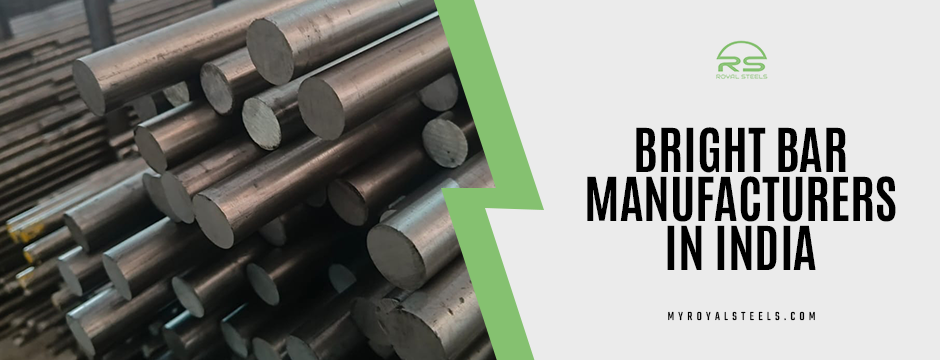
Bright Bar Manufacturers in India

To respond to the tightly controlled tolerance requirements of precision industries, Leading Supplier of Bright bar are using:

  • CNC turning and straightening machines
  • Eddy current testing systems
  • Chamfering and polishing machines 
  • Fully automated pickling and passivation lines
  • Robotic packaging and handling

These technologies help reduce human error, improve consistency, and increase levels of output, which are essential characteristics demanded by international buyers conducting bulk exports. 

Strong Export Infrastructure and Logistics Support

Over the past number of years, India’s export policies and port infrastructure have improved significantly. Bright bar manufacturers now have a comprehensive understanding of international trade compliance, shipping documentation, and the necessary customs procedures, leading to the establishment of reputable and dependable export supply chains.

Many major manufacturers now have an export department specific for the outlined tasks, including:

  • Timely deliveries
  • Custom-tailored packaging for overseas clients 
  • Pre-shipment inspections and paperwork 
  • Coordination with freight forwarders and third-party logistics

Knowing they can meet timelines and avoid delays has made manufacturers in India a preferred vendor for overseas buyers.

Final Notes

The global rise of Bright Bar Manufacturers in India is no fluke—it’s the result of relentless innovation, investment in quality, and a client-first approach. With a mix of technology, affordability, and commitment to excellence, India has carved out a prominent position in the global steel supply chain.

If you’re searching for a trusted bright bar manufacturer that exemplifies all these qualities, look no further than Royal Steels. With years of industry experience, cutting-edge facilities, and a strong global clientele, we deliver high-performance bright bars tailored to your exact needs. Whether you’re in automotive, construction, or engineering, our precision-crafted products and customer-centric approach make us a reliable partner for growth.

Frequently Asked Questions

What are bright bars, and why are they used?

Bright bars are cold-finished steel bars known for their precise dimensions, smooth surface finish, and enhanced mechanical properties. They are widely used in automotive, construction, machinery, and engineering industries.

Why are Indian bright bar manufacturers becoming popular globally?

Indian manufacturers offer a combination of competitive pricing, high-quality standards, advanced manufacturing technology, and export-friendly practices, making them highly reliable for global buyers.

Are Indian bright bar manufacturers certified for international standards?

Yes, leading manufacturers like Royal Steel India are certified with ISO 9001, ISO 14001, and other global standards to ensure consistent quality and environmental compliance.

Can Indian manufacturers customise bright bars for specific industry needs?

Absolutely. Indian suppliers offer customised grades, dimensions, finishes, and mechanical properties based on client requirements across different industries.

How can I trust the export capabilities of Indian bright bar manufacturers?

With strong logistics support, dedicated export teams, and timely delivery systems, companies like Royal Steel India ensure smooth and reliable export operations worldwide.

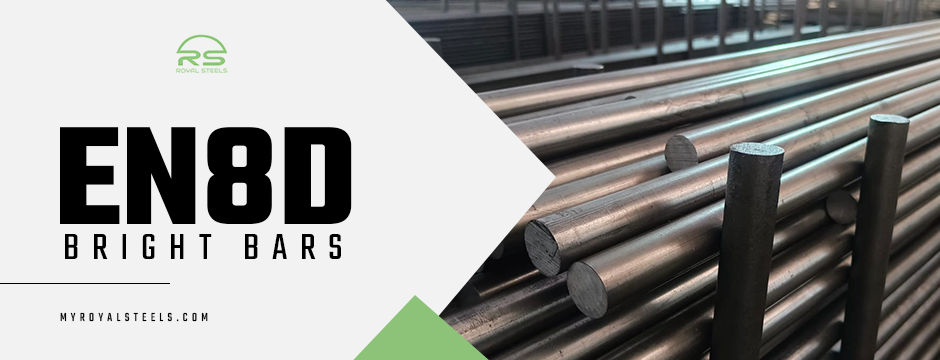
Why EN8D Bright Bars Are Ideal for High-Stress Components?

Material selection is paramount in construction for high-stress engineering components. Selecting a metal could improve or enhance durability, guarantee mechanical integrity, and ultimately reduce the risk of fatigue, failure, or defect. EN8D bright bars have blossomed in popularity in many applications and industries, particularly in automotive, construction, heavy machinery and precision tools. These bright bars address many engineering concerns, as they are well known for their mechanical properties and tensile strength, making them reliable and performance-driven when under pressure. 

EN8D bars are medium carbon with the added benefit of manganese, enabling hardenability. Bright bars possess high strength, good machinability, and good wear and tear. Components that often utilise EN8D bars include shafts, gears, axles, studs and crankshafts. When reliability is crucial, it will be manufactured from EN8D bars. It also possesses a bright surface finish, allowing for tight tolerances and good machinability. This blog explores what makes bright bars so well-suited for high-stress applications, analysing their composition, mechanical properties, performance benefits, and the industries that benefit the most. 

Analysing EN8D Bright Bars: Composition and Attributes

EN8D is a medium carbon steel with a unique chemical composition relative to EN8, notably a much higher level of manganese. A typical chemical composition for EN8D consists of:

  • Carbon (C): 0.35% to 0.45%
  • Manganese (Mn): 0.70% to 1.00%
  • Silicon (Si): up to 0.05%
  • Sulphur (S) and Phosphorus (P): small amount to high ductility and fatigue

The bright bar version of EN8D is cold drawn, which means it will have an improved surface finish over EN8, tighter tolerances and improved mechanical strength through strain hardening whilst being cold drawn.

Mechanical Properties of Bright Bars

One of the key features of EN8D bars that makes them very trustworthy in high-stress applications is the above mechanical properties of the combination of mechanical strength and toughness.

  • Tensile Strength: 600 to 850 MPa (megapascals)
  • Yield Strength: 400 MPa
  • Hardness (Brinell): 180 to 220 HB
  • Elongation: 12% minimum

This set of mechanical properties means EN8D will provide structural reliability for your applications where they can be subject to high loads, cyclical stresses, and impacts.

Why EN8D Bars Excel in High-Stress Applications?

Superior Hardness and Strength

The higher carbon and manganese content provide EN8D bright bars with outstanding tensile and yield strength. These properties are crucial in environments where the component must withstand extreme loads or bending forces without deformation or cracking.

Excellent Wear Resistance

High-stress engineering components are often exposed to friction and surface abrasion. EN8D’s wear resistance helps prolong the life of parts such as gears, crankshafts, and machine spindles by minimising degradation over time.

Good Machinability

Despite its strength, EN8D bars are relatively easy to machine, especially when compared to other alloy steels. The bright finish further improves tool life and dimensional precision, which is crucial for tight-fitting mechanical assemblies.

Better Fatigue Resistance

Fatigue is a primary mode of failure in components due to the heavy workloads. EN8D’s consistent grain structure and specified carbon levels will improve fatigue life in components subject to many cycles.

Better Dimensional Accuracy

The cold finish bright bar form ensures better tolerances and improved surface finish. In the precision industries, such as automotive and aerospace, minimal tolerances ensure that dimensions and tolerances work as they should.

Common Uses for Bright Bars

EN8D Bright Bars

Due to their mechanical performance and consistency of quality, EN8D bars are approved for use across many industries and applications:

  • Automotive: Designed for crankshafts, axles, connecting rods and gears, which will be subjected to a considerable amount of torque and stress.
  • Heavy Equipment: Designed for shafts, spindles and machine components that face continuous load.
  • Agricultural Equipment: Flange bolts and drive shafts to deliver power to rotating parts in outdoor conditions.
  • Building & Construction Equipment: Pins, bolts, and fasteners on cranes and heavy hand tools.
  • Oil and Gas: Drill collars and other downhole well components that are subject to high pressure and excessive torque.
  • Rail and Marine: For example, couplings and axles are subjected to long-term stress and vibration.

Heat Treatment for EN8D Bars

Bright bars can be subjected to various heat treatments to further enhance their performance:

  • Hardening and Tempering: Increases hardness while retaining enough ductility.
  • Normalising: Improves machinability and refines grain structure.
  • Annealing: Softens the material for improved machinability and stress relief.

Heat treatment customisations make EN8D highly versatile and allow tailoring of the properties for specific use cases.

Advantages Over Other Carbon Steels

Compared to other medium carbon steels like EN8 or mild steels:

  • Higher manganese content in EN8D enhances hardenability and strength.
  • Better surface finish due to the cold drawing process.
  • Greater fatigue resistance which is crucial for rotating or reciprocating components.
  • Less distortion during machining and heat treatment processes.

These benefits contribute to greater lifecycle performance and reduced maintenance costs.

Bottom Line

In high-stress engineering applications, there’s no room for compromise. EN8D bright bars offer a rare combination of strength, machinability, and fatigue resistance that makes them a top choice for critical components across automotive, machinery, and construction sectors. Their mechanical performance, especially under stress and load, ensures safety, reliability, and long-term efficiency.For organisations seeking a dependable supply of premium-quality EN8D bars, Royal Steels stands out as a trusted name in the industry. With a strong commitment to quality, precision manufacturing, and customer satisfaction, we deliver bright bars that meet the highest engineering standards. Explore our offerings today to give your components the robust foundation they deserve.

Frequently Asked Questions

What is an EN8D bright bar used for?

EN8D bright bars are primarily used in high-stress engineering applications like automotive axles, crankshafts, gears, spindles, and heavy machinery components due to their strength and durability.

How is EN8D different from EN8?

EN8D has higher manganese content than EN8, which enhances its hardenability, tensile strength, and fatigue resistance—making it more suitable for components under continuous or cyclic load.

Can EN8D bright bars be heat-treated?

Yes, EN8D bars respond well to various heat treatments such as hardening, tempering, normalising, and annealing to improve specific mechanical properties.

Are EN8D bright bars suitable for precision machining?

Absolutely. Their bright finish and uniform dimensions make EN8D bars ideal for precision machining, ensuring accuracy and improved surface quality.

Where can I buy high-quality EN8D bars?

You can purchase premium-grade EN8D bars from trusted suppliers like Royal Steels, known for quality control, customisation options, and prompt delivery.

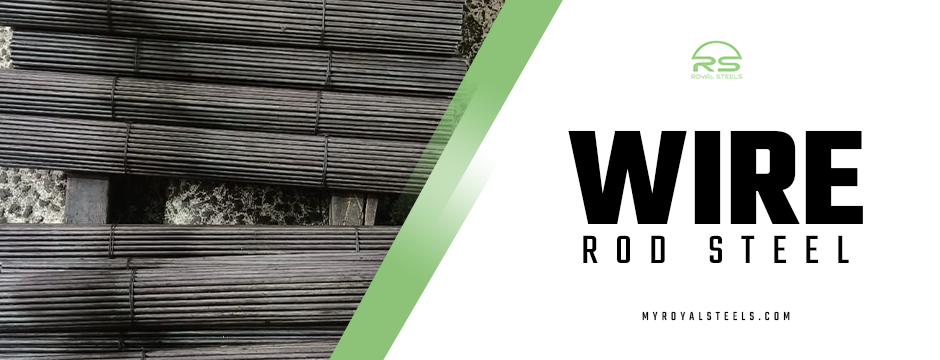
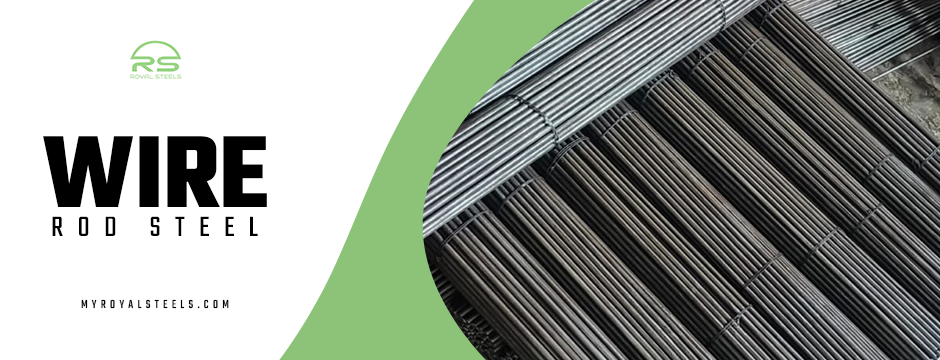
Common Defects in Wire Rod Steel and How to Avoid Them

Wire rod steel is crucial in multiple industries, including construction, automotive, machinery, and manufacturing. It is a component of many products (bolts, nuts, springs, fasteners, welding electrodes, etc.). Given its common use, any wire rod produced needs to meet worthy quality process specifications. Wire rod shows many defects, most of which reduce not only mechanical properties but also the safety and reliability of the end use.

As a manufacturer, quality control engineer, or purchasing agent, it is equally important to understand the most common defects in rod steel. More importantly, how to avoid defects. Defects can surface, such as scratches, laps, and other imperfections. Defects can also be internal, such as segregation or inclusions. Each of these defects has its own associated risk.  As a wire rod manufacturer, defects can often be avoided by monitoring processing conditions, raw material quality, and handling practices.

Surface Cracking

One of the most frequent defects observed in wire rod steel is known as surface cracking, characterized by irregular fissures on the surface. Surface cracks can be a result of inappropriate rolling practices, or rapid cooling.

Causes:

  • Poor descaling before rolling
  • High cooling rates
  • Inconsistent lubrication during rolling
  • Thermal stress from sudden changes in temperature

Prevention:

  • Use consistent preheating and cooling practices
  • Use appropriate descaling practices such as high-pressure water jets
  • Use appropriate rolling parameters and proper monitoring
  • Provide enough lubrication to limit friction-related stress

Laps and Folds

Laps are folds of metal where one piece overlaps another without welding during rolling. Laps affect more than appearance – they significantly reduce structural integrity.

Causes:

  • Billet had too much fill
  • Incorrect roll pass design in rolling mills
  • Rolling is at a low temperature
  • Billet has a non-uniform surface

Prevention:

  • Control billet geometry and temperature more uniformly
  • Design roll passes appropriately
  • Condition the surface, such as edge grinding or scarfing, to prepare billets
  • Use inspection systems for billets automatically.

Seams

Seams are longitudinal surface defects that run along the wire rod and can propagate during cold drawing or forging, leading to material failure.

Causes:

  • Defective billets
  • Inclusions aligned along the rolling direction
  • Improper billet conditioning

Prevention:

  • Source billets from high-quality steel manufacturers
  • Employ ultrasonic or eddy current testing to detect seams early
  • Use vacuum-degassed steel for superior cleanliness
  • Implement surface conditioning methods before rolling

Scale Pits

Scale pits are small depressions on the rod surface caused by oxide scales that become embedded during rolling.

Causes:

  • Incomplete or uneven descaling
  • Oxidation during hot rolling
  • Prolonged exposure to air at high temperatures

Prevention:

  • Optimise furnace atmosphere to reduce oxidation
  • Implement high-efficiency water descaling systems
  • Maintain consistent temperature control throughout the process

Internal Cracks and Porosity

These are non-visible defects that are not detected until the casting experiences catastrophic failure during use. They represent a serious hazard to safety and integrity in applications such as automotive parts and heavy equipment.

Causes:

  • Gas entrapment during solidification/casting.
  • Segregation of the alloying elements of the molten metal.
  • Poor solidification.
  • Poor secondary metallurgy.

Preventative Measures:

  • Good casting practice by utilising vacuum degassing and argon stirring.
  • Continuous casting (casting while purging off gas and performing a soft reduction zone).
  • Casting with better mould designs that allow for uniform cooling.
  • Ultrasonic inspection for internal damage.

Inclusions (Non-Metallic Particles)

Non-metallic inclusions such as sulfides, oxides, and silicates can likewise become trapped in the steel matrix, where they can create weak spots or lead to breakage.

Causes:

  • Impurities in the raw materials.
  • Improper deoxidization.
  • Contaminated ladle/tundish lining.

Preventative Measures:

wire rod steel
  • Clean raw materials as best as possible, and refine before casting via ladle metallurgy.
  • Strict slag control (such as the amount and quality of slag, making sure no reoxidization).
  • Ensure ladles and tundishes are clean.
  • Constant quality checks at each step of production.

Segregation

Segregation refers to the non-uniform distribution of alloying elements during solidification, resulting in hard and brittle zones.

Causes:

  • Improper cooling rates
  • Uneven temperature gradients during casting
  • Inadequate stirring during solidification

Prevention:

  • Apply electromagnetic stirring to ensure uniform composition
  • Implement controlled and consistent cooling cycles
  • Utilise secondary refining techniques

Ovality and Out-of-Roundness

Ovality occurs when the cross-section of the wire rod deviates from a perfect circle. This can cause problems during downstream forming or drawing processes.

Causes:

  • Uneven rolling force
  • Misaligned rolls
  • Inadequate tension control

Prevention:

  • Regularly calibrate rolling mills
  • Use automatic dimension control systems
  • Apply consistent tension and rolling force throughout the process

Bottom Line

Defects in wire rod steel can be costly, both in terms of operational efficiency and product safety. They compromise not just aesthetics, but also the physical and mechanical properties of the end-use components. As industries evolve toward tighter quality standards, the demand for precision-manufactured, defect-free wire rods has never been higher.

This is where Royal Steels stands out. With a strong commitment to metallurgical excellence, cutting-edge rolling technology, and rigorous quality control, we deliver premium rod steel that meets international benchmarks. Whether you need steel for construction, automotive, or industrial applications, partnering with us means investing in reliability, durability, and superior performance.

Frequently Asked Questions

What are the most common surface defects in rod steel?

The most common surface defects include cracks, laps, seams, and scale pits. These defects typically arise during the hot rolling process due to issues like improper temperature control, poor descaling, or incorrect rolling parameters.

How can I detect internal defects in wire steel?

Internal defects such as porosity, inclusions, and segregation are not visible to the naked eye. Detection methods include ultrasonic testing (UT), eddy current testing, and X-ray inspection. These non-destructive testing (NDT) techniques help ensure structural integrity.

Why do laps and folds occur in wire rod steel?

Laps and folds form when the billet is overfilled, the rolling temperature is too low, or the pass design is faulty. These overlapping layers do not weld properly during rolling, creating weak spots on the rod surface.

How can manufacturers prevent wire rod steel defects?

Prevention requires a combination of best practices, including:

Using high-quality raw materials
Implementing advanced rolling technology
Maintaining proper temperature and cooling rates
Conducting regular inspections and quality control checks

What makes Royal Steels a reliable supplier of defect-free wire rod steel?

Royal Steels is known for its stringent quality control, advanced metallurgical practices, and continuous investment in technology. Their wire rod steel undergoes thorough inspection at every stage, ensuring consistency, performance, and minimal defect rates across batches.

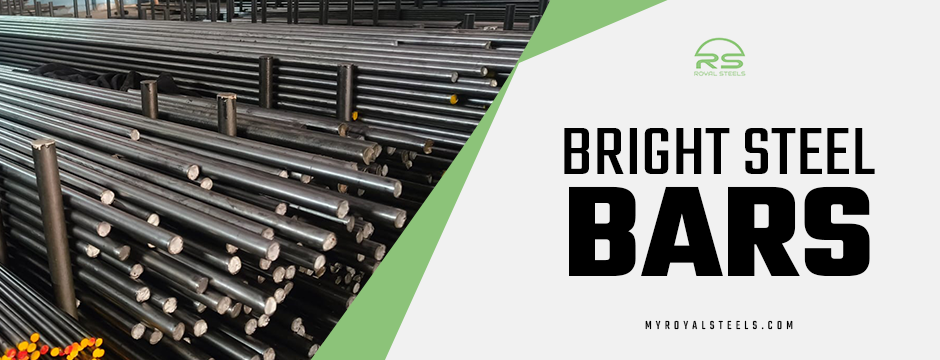
How to Choose the Right Bright Steel Bars for Your Project?

Due to the smooth finish, dimensional tolerances, and unique mechanical properties, bright bars are used in a myriad of applications ranging from automotive to architectural to machine tools. Steel bars come in many different types, grades, and finishes, and the success and safety of your project will hinge on your selecting the correct steel bars to meet your specifications. 

Selecting the correct Bright steel bars involves having a distinct understanding of your project’s requirements, whether they are tensile strength, corrosion protection, machinability, or weldability. Regardless of whether you are an engineer, contractor or manufacturer, you can save costs, improve product longevity and increase reliability by selecting the right bright bars. 

Understand What Bright Steel Bars Are

Bright bars are cold-finished steel products that offer a superior surface finish, tighter dimensional tolerances, and better mechanical properties compared to hot-rolled steel. 

Key Characteristics:

  • Excellent dimensional accuracy
  • Enhanced mechanical strength
  • Smooth, shiny surface
  • Greater machinability
  • Available in round, square, flat, and hexagonal shapes

Bright bars are widely used in sectors such as:

  • Automotive
  • Aerospace
  • Construction
  • Agricultural equipment
  • Tooling and machining

Establish the Application Requirements

Before you can consider bright steel bars, you must first determine the technical requirements related to your application. Some common considerations might include: 

  • Strength & Durability: For load-bearing or structural components
  • Corrosion Resistance: For marine, chemical or outdoor environments
  • Machinability: For the ability to be cut, shaped or turned in an automated process 
  • Weldability & Formability: For fabrication or joining operations
  • Aesthetic Appeal: For architectural or exposed applications  

Each piece of equipment can affect your choice of steel grade and surface finish.

Choose the Right Steel Grade

Bright bars are available in a range of grades, each offering unique chemical and mechanical properties. Here are some commonly used grades:

  • EN1A (Free Cutting Steel): Excellent machinability; ideal for CNC machining and mass production
  • EN8 (Medium Carbon Steel): High strength and good wear resistance; suitable for shafts, studs, and gears

Always consult your engineering team or technical advisor to choose the right grade based on the application.

Choose the appropriate shape and size

Bright bars come in many shapes and sizes. The shape of the bright bar you choose will depend on how you are going to fabricate it and the requirements of your design. Some common shapes: 

  • Round Bars: common in shafts, fasteners, pins
  • Flat Bars are often used in base plates, brackets, and supports
  • Square Bars: useful in general fabrication and tooling
  • Hexagonal Bars: often chosen for fasteners and specific parts

When deciding what dimensions to choose do so within the abilities of your equipment, while also being aware of the tolerances of your application. Don’t over-specify as that can increase material costs and lead time through unnecessary processing.

Evaluate Surface Finish and Tolerance

Bright Steel Bars

The surface finish of bright steel bars is achieved through cold finishing methods, providing not only a sleek appearance but also resistance to wear and corrosion. Surface finish types include:

  • Drawn
  • Peeled
  • Ground
  • Polished

Tolerances: Tight tolerances are critical in high-precision applications. Verify the manufacturing tolerances offered by the supplier and match them to your project’s demands.

For high-speed machining or components requiring exact fitment, opt for ground or polished bars with h9/h11 tolerances.

Check Material Certification and Standards Compliance

Reputable steel bar manufacturers will provide Mill Test Certificates (MTC) and documentation ensuring that the bars meet international standards such as:

  • IS (Indian Standards)
  • BS (British Standards)
  • ASTM (American Standards)
  • DIN (German Standards)

Always request and verify certification to ensure product quality, consistency, and compliance with your industry’s regulations.

Assess the Supplier’s Capabilities and Reputation

The reliability of your steel bar supplier is just as important as the quality of the product you are purchasing. Evaluate using:

  • Years in industry
  • Different grades and custom options
  • On-time delivery, stock availability
  • Technical assistance and customer assistance
  • Overall pricing and pricing transparency

An excellent supplier will have a proven history and ability to consistently meet both volume and custom needs.

Evaluate Post-Purchase Services

Some projects may require further post-purchase services that may include:

  • Cut-to-length services
  • Heat-treatment services
  • CNC turning or milling services
  • Coating or galvanising services

Follow up with the vendor to see if they offer any of these value-added services, as these options save time and a lot of coordination with different vendors.

Consider Cost without Sacrificing Quality

Cost is always at the forefront of your assessment, but do not sacrifice the value of the materials’ performance or quality for a low price. In general, investing in high-quality bright steel bars can reduce machining costs, material waste, and product life.

Ask for a quote from multiple vendors, but do not compare prices; compare specifications, certifications, and support.

Bottom Line

From understanding application-specific requirements to choosing the right grade, shape, finish, and supplier, each step plays a vital role in ensuring optimal results.For top-notch quality, certified bright steel bars, and a vast range of steel bar options, trust Royal Steels. With years of experience in manufacturing and supplying high-precision steel bars, we combine advanced technology, strict quality control, and customer-focused service to meet diverse industry needs.