Is Bright Mild Steel Round Bar the Best Choice for Machining?

It is important to select the appropriate material for machining projects to ensure machining results that are accurate, efficient, and economical. There are many materials available for projects, but bright mild steel round bar has become a popular option because of its broad machinability characteristics and consistency. If you work in automotive, construction, furniture, general fabrication, fastener production or other areas, the combination of strength and workability makes this type of steel very flexible.

Bright mild steel is shaped using a cold-drawn or turned process, which yields a superb “bright” finish and tolerances with a high degree of dimensional accuracy. Expect this for machining specifications when tolerances are less negotiable. But is it the best material for machining, or could something else work better depending on the application? This blog will explore mild steel round bar to further understand the characteristics, benefits and maybe even shortcomings of using bright mild round bar in comparison with other materials commonly used for machining.

Key Characteristics That Make It Machining-Friendly

Superb Surface Finish

The smooth surface of a bright mild steel round bar decreases tool wear and friction during machining operations. This results in longer tool life and more precise cuts, especially when used with CNC machines and lathes.

Dimensional Accuracy

Cold drawing or turning enhances the round bar’s uniform diameter, thereby minimizing the need for extra finishing and reducing material waste.

Softness and Malleability

Mild steel’s lower hardness allows it to be readily cut, drilled, or milled, even into complex or intricate components.

Uniformity

Bright bars possess uniform mechanical properties which are important for high-volume production runs or parts meeting strict specifications.

Benefits of Machining with Bright Mild Steel

Affordability

Bright Mild Steel is relatively cheap in comparison to alloy steels or stainless steel, making it an excellent option for projects with budget constraints.

Quick Turnaround

Bright, mild steel machining leads to faster production times, maintaining efficiencies in manufacturing processes.

Weldable and Formable

The ability to weld the components made of bright mild steel, or to bend and perform further fabrication after machining, without compromising the integrity of the structure.

Good Strength

Although it is not the strongest steel, it is satisfactory for general engineering purposes.

Common Applications

Bright Mild Steel Round Bar are extensive across industries in:

  • Automotive components (shaft, studs, bolts)
  • Furniture manufacturing
  • General engineering Machinery parts
  • Fabrication works
  • Fasteners

The broad usage and familiarity across industries signal versatility and reliability as a machining material.

How Does It Hold up Against Other Machining Materials?
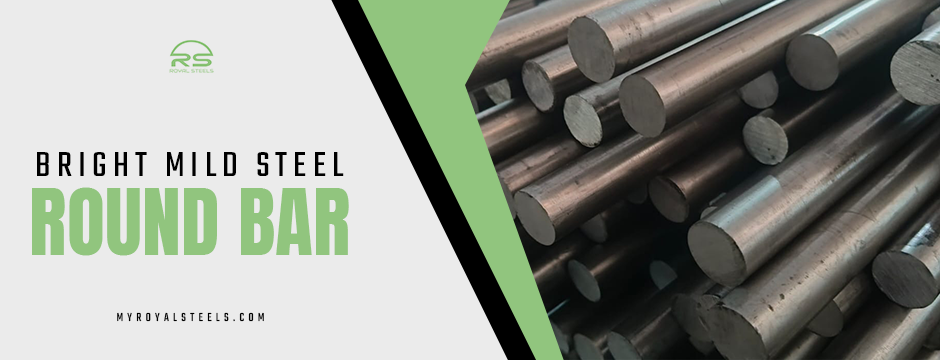
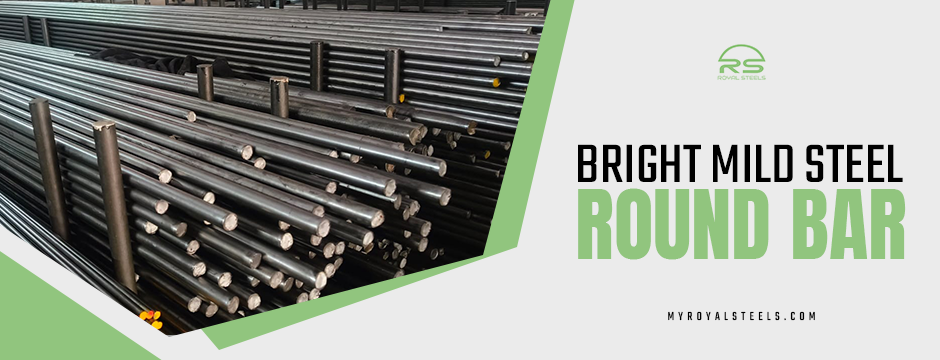
Bright Mild Steel Round Bar

Against Stainless Steel

Advantages: Easier to machine, lower cost, more ductile.

Disadvantages: Less corrosion resistant, lower tensile strength.

Versus Aluminum

Pros: Stronger, better heat resistance.

Cons: Heavier, not as corrosion resistant in many cases without coating, possibly slower machining speed in some applications.

Versus High Carbon Steel

Pros: Easier to machine, doesn’t require tooling of higher quality.

Cons: Less hardness, not appropriate for higher-stress applications.

When cherished surface finish, precision, and moderate strength, bright mild steel provides the best combination. It may not be the right choice, however, when corrosion resistance and/or high tensile strength is a priority.

Considerations When Using Bright Mild Steel Round Bar

Although bright mild steel bar excels in many machining application scenarios, it does have limitations of which to be aware: 

  • Rust: It is susceptible to rust when unprotected or untreated, particularly when exposed to humid or marine environments.
  • Less Strength: For high-load or high-impact applications, other steels may be more suitable.
  • Not Suitable for Elevated Temperature: Mild steel becomes weaker and can bend when subjected to high temperatures.

That being said, surface finishes, such as galvanizing, painting or powder coating, can greatly enhance the properties of the bright steel round bar to allow for its use in adverse conditions.

Recommendations for Machining Bright Steel Round Bar

  • Use Sharp Tools. This will minimize burring and provide a cleaner cut.
  • Utilize moderate speeds. This will reduce wear on the tool and prevent overheating. 
  • Use a lubricant. Using lubricant will increase the life of the tool and improve surface finish.
  • Look for Surface Defects. Bright bars occasionally have minor surface imperfections—always inspect the bar before machining.
  • Ensure Proper Clamping. Proper clamping helps improve the accuracy of the part and the safety of the operator.

Final Thoughts

Bright Mild Steel Round Bar is undoubtedly one of the best machining materials, offering a sweet spot between affordability, machinability, and surface finish. Whether you’re prototyping or mass-producing, their performance and ease of use can significantly boost your operational efficiency.

If you’re looking for premium-grade, bright, mild steel round bars that meet industry standards and deliver consistent results, look no further than Royal Steels. As a trusted supplier, we provide high-quality materials tailored to your exact needs—whether you’re in automotive, construction, or general manufacturing. Visit our website today and explore our range of round steel bars for your machining projects. 
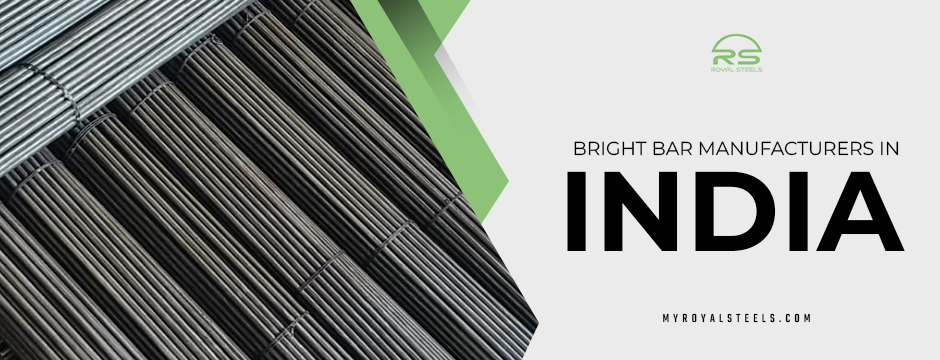
How Bright Bar Manufacturers in India are Meeting Global Quality Standards?

The Indian steel sector has evolved extensively over time, with the production of bright bars being one of its fastest-growing segments. Moreover, these bright bars are high-strength bars produced in a manufacturing plant. It reprocesses the steel with finishing processes giving them a superior surface quality. It can be used in industries such as automotive, aerospace, machinery, and construction. However, the demand for high-performance and long-lasting products comes from global markets. Bright bar manufacturers in India are focusing on bringing their production processes to internationally recognized quality standards.

In the globalized trade environment, Indian manufacturers now have the additional challenge of developing their products to meet the rigorous national quality standards. Or developing their products to meet the national standards of increasingly discerning international markets. Meanwhile, consider the importance of costs and consistency within their production capacity. Indian bright bar manufacturers have made considerable financial investments in technology, processes, and quality control improvements. It helps them meet and now routinely exceed the quality expectations of their international clients. 

Implementing International Standards

The bright bar manufacturers in India are increasingly adopting ISO 9001, ASTM, and DIN (Deutsche Industrie Norm) as international standards. This helps them ensure their products meet rigorous quality standards. International standards elevate the quality of products, covering everything from the desired physical characteristics to the delivery of raw materials and every step in between.

ISO 9001 Certification

This is one of the most recognized quality management systems throughout the world. Obtaining certification for ISO 9001 indicates to potential customers that this manufacturer is dedicated to the quality of their products. The certification also helps ensure controlled quality. A manufacturer of bright bars has to have a reliable, long-term product.

ASTM Standards

The ASTM sets standards for steel work to establish a global standard for the standard of steel.  Indian manufacturers that conform to ASTM standards are positioned to export products on a global scale. Complying with ASTM standards guarantees that the bright bars will pass the highest caliber of mechanical properties. It includes tensile strength, hardness, or corrosion resistance.

DIN Standards

German DIN standards specifically apply to industries that require extreme precision, i.e, automotive and aerospace. Hence, Indian manufacturers are now beginning to implement DIN standards. As a result, it helps them in improving the quality of their products that meet the standards for industries.

Developments in Manufacturing Technology

Indian manufacturers are now able to meet international quality standards due to technological advancements. Modern production methods and state-of-the-art equipment enable manufacturers to create bright bars with more consistent dimensions and quality. Meanwhile, with the use of automated systems, there will be more precision with human errors. It includes robotic polishing and finishing equipment, which further guarantees the constant quality of the finished product.

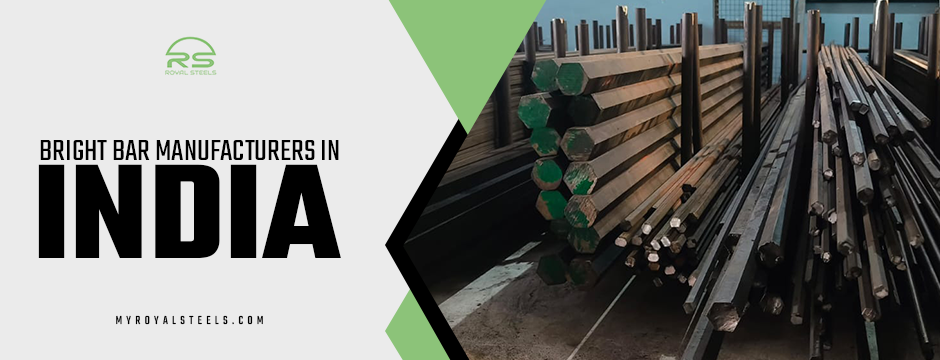
Bright bar manufacturers in India

Bright Bar Manufacturers in India are also spending money on new technologies to enhance the actual steel-making process. Vacuum arc remelting (VAR), for instance, produces steel of superior quality with fewer impurities. Bright bars are used in vital applications, like aerospace or medical devices, where the quality of materials is very crucial.

Inspection and Quality Control

Manufacturers adhere to strict quality control procedures, and that adherence to are among the most important elements. It influences their ability to compete globally. Raw material selection is the first step in quality control. As a result, materials are thoroughly tested to ensure they meet the necessary specifications. On the other hand, suppliers are carefully selected based on their capacity to deliver premium steel.

At different stages of manufacturing, inspection and monitoring are done. The stages are rolling, drawing, and finishing. Meanwhile, to ensure that only high-quality products proceed, advanced inspection methods are used in the early detection of any flaws.

Dedication to Sustainability

Indian bright bar producers are concentrating on lessening the environmental effect of their operations as environmental sustainability gains international attention. Energy-efficient furnaces and recycling systems are examples of environmentally friendly technologies that manufacturers are implementing to cut waste and energy use. As a result, it not only enables them to meet ever-tougher environmental standards but also attracts clients who value sustainable supply chains.

End Notes

Bright bar manufacturers in India have made tremendous strides in aligning their production processes with global quality standards. The adoption of international certifications, technological innovations, rigorous quality control measures, and a commitment to sustainability made Indian manufacturers global leaders in the bright bar industry.

By focusing on precision, consistency, and customer-specific requirements, these manufacturers can meet the high demands of international industries, making India an essential player in the global steel market. As the industry continues to evolve, the future of bright bar manufacturing in India looks promising. Due to further advancements in technology and sustainability poised to push the boundaries of quality even further. For top-notch bright bars that meet global standards, visit Royal Steels, where quality and precision are our top priorities.

How to Choose the Right Bright Steel Bars for Your Project

The bright steel bars are used for their applications in the construction, automobile, engineering, and manufacturing sectors. So, the selection of a particular type of bright steel bar should be optimally selected with proper consideration of strength, effectiveness, and cost requirements.

It provides good surface finishing, dimensional accuracy, and mechanical properties. Here are some of the standard considerations for your search for bright steel bars for any specific application.

1. Know the Varieties of Bright Steel Bars 

Different types of bright steel bars serve varying functions and applications. The more information you have about these, the better your decision-making process will be:

  • Round Bright Steel Bars: Used in machining, automotive components, and fasteners.
  • Flat Bright Steel Bars: Ideal for construction, frameworks, and brackets.
  • Square Bright Steel Bars: Commonly used in manufacturing tools and machinery parts.
  • Hexagonal Bright Steel Bars: These are widely used in the manufacturing of nuts, bolts, and other fastening devices.

2. Grade of Material Needed

A bright steel bar typically requires carbon steel, bright steel, mild steel, high carbon steel, and leaded steel, with the option to use carbon tool steel as well.

  • Mild Steel (MS): Steel is generally used for a wide variety of engineering settings due to its weldability and machinability. 
  • Carbon Steel: Offers higher strength and durability. It is ideal for heavy-duty applications.
  • Alloy Steel: Contains elements like chromium and nickel to enhance strength, hardness, and corrosion resistance.
  • Stainless Steel: It provides excellent corrosion resistance and is used in food processing, medical, and marine applications. 

3. Stipulate Dimensions and Required Tolerances

Important aspects are selecting the appropriate dimensions and tolerances for the successful implementation of your project. Various diameters, thicknesses, and lengths of bright steel bars are available. Some of the factors are:

  • Length: A standard length of bright or carbon steel bar lies between 3-6 meters; depending on a specific order, lengths can be changed or specifically designed.
  • Diameter/Thickness: The diameter or thickness selected should relate to your load-bearing requirements.
  • Tolerances: If tolerances are of utmost precision to be employed, pick a bar within those described tolerances. 

4. Surface Finish and Quality

One of the main advantages of bright steel bars over black steel bars is their superior surface finish. Consider the following aspects:

  • Smoothness: Quality bright steel bars are smooth, which reduces additional machining.
  • Rust Prevention: Look for bars with protective coatings if corrosion resistance is a priority.
  • No Defect Finishing: Surface finishing should be free from defects such as cracks, scales, or rough patches.

5. What Mechanical Properties Are Needed?

The mechanical properties of the bright steel bars are intimately connected with their applications and service life. Consider the following factors:

  • Tensile Strength: The level of ability to resist stretch or pulling.
  • Yield Strength: The amount of stress the material can endure before it permanently deforms.
  • Hardness: This is an important factor for wear resistance and durability.
  • Ductility: The property of a material that enables it to be stretched into thin wires or sheets without actually breaking.

6. Confirm Heat Treatment and Processing Requirements

Depending on the actual application, bright steel bars can have specific requirements for the heat treatment. The most general are as follows:

  • Annealing: Decreases hardness and increases ductility for machinability.
  • Normalizing: Improvements in toughness and strength.
  • Tempering: To improve wear and impact resistance.
  • Hardening: Increased material strength and durability.

7. Weigh the Environmental and Corrosion Resistance Needs

In a situation where your application is contacted by moisture, chemicals, or really different climates and environmental situations, choosing bright steel bars resistant to corrosion would be a prerequisite. The following alloy steels or stainless steels could be excellent choices for such applications.

  • Indoor application: Mild steel and/or carbon steel will suffice.
  • Outdoor or marine application: Recommend using stainless steel or coated bright steel bars that resist rust and corrosion.
  • Chemical exposure: Select bars with higher nickel or chromium content. 

8. Verify Bright Steel Bars Supplier Quality & Certification

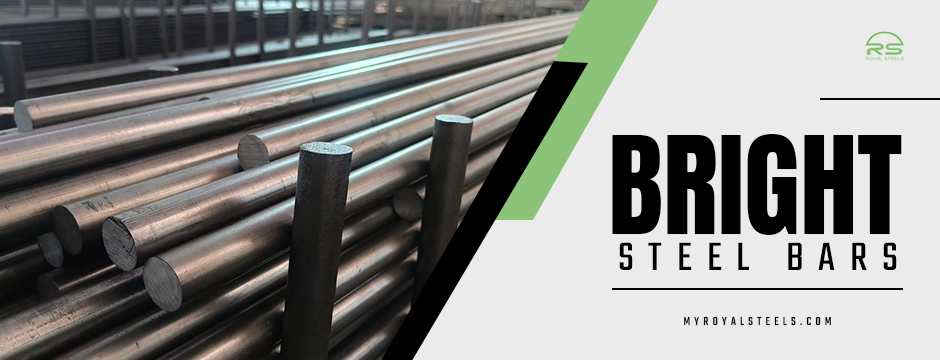
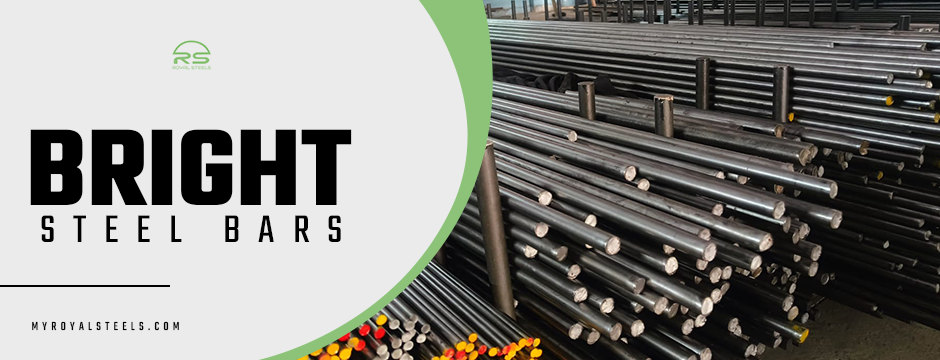
bright steel bars

A credible supplier will always supply high-quality bright steel bars that meet the industry standards. They should include: 

  • Certification: ISO, ASTM, or any other certification per industry standards. 
  • Material Testing Reports: Verification of whether the supplier maintains test reports of chemical composition and mechanical properties.
  • Reputation and Reviews: You can verify on the internet for customer reviews and testimonials to determine reliability and quality.

9. Cost-Effectiveness Evaluation

While quality should not be compromised, cost-effectiveness is also an essential factor in choosing the right bright steel bars. Consider the following aspects:

  • Bulk Discounts: Buying in bulk means a lower cost for each item.
  • Long-Term Durability: High-quality bars can be costly, but they can save you money on replacement and repair.
  • Supplier Comparison: To find the best price-quality ratio, compare different sellers.

10. Proper Handling and Storage

The bright steel bars must have the ability to last longer and have their quality preserved in any normal circumstance by proper handling and storage. The following are the good housekeeping practices:

  • Keep Dry Store will prevent rust and corrosion.
  • Use protective coating oil or anti-rust coating when required.
  • Antistack or elective prevents bending and warping of grades.

Handle with care; lifting and transporting techniques should obviate the possibility of damaging the surface.

Conclusion

There are many considerations for determining the best bright steel bars to use in any project. From the kind of material to surface finish and mechanical properties, as well as environmental conditions, one needs to assess the project requirements well before committing to a reliable supplier. The right bright steel bars would improve performance whether for construction, engineering, or even manufacturing. 

Get the best quality bright steel bars from Royal Steels—all built for strength, precision, and performance that won’t fail in every project!