
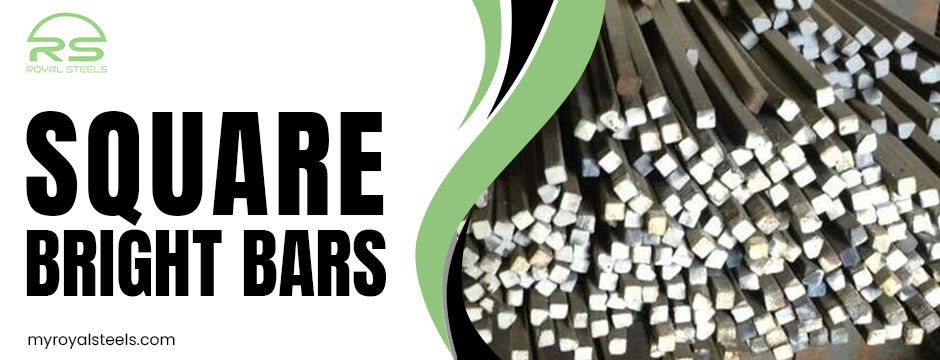
In modern engineering and manufacturing, material selection defines product strength, durability, and performance. Among the most widely used components in precision industries are square bright bars. These bars are essential in automotive, machinery, fabrication, and heavy engineering sectors because of their accuracy and smooth surface finish.
Today, choosing reliable square bright bars is not just about price. It is about quality, consistency, dimensional accuracy, and long-term performance. Furthermore, industries now prefer suppliers who can deliver both standard and customized specifications without compromising quality.
This guide explains everything you need to know before selecting the right supplier.
Understanding Square Bright Bars in Industrial Use
Square bright bars are cold-finished steel products known for their superior surface quality and tight dimensional tolerances. Unlike hot-rolled steel, they go through additional processing such as drawing, peeling, or grinding.
This makes them suitable for high-precision components where accuracy matters. Additionally, industries use them in shafts, fasteners, machine parts, and structural assemblies.
Because of their refined finish, square bright bars are widely preferred in applications where machining efficiency and strength are critical.
Why Industries Prefer Square Bright Bars
The demand for square bright bars continues to grow due to their mechanical and structural advantages. Specifically, they offer:
- High-dimensional accuracy
- Smooth surface finish
- Better machinability
- Improved weldability
- Consistent mechanical strength
However, their real value lies in performance stability under stress. Consequently, manufacturers rely on them for components that require long-term reliability.
Furthermore, square bright bars reduce post-processing work, saving both time and production cost.
Square Bright Bars Manufacturing Process and Quality Control
The production of square bright bars involves multiple precision steps. Each stage ensures the final product meets industrial standards.
1. Raw Material Selection
High-grade steel is selected based on application requirements.
2. Cold Drawing Process
The steel is pulled through dies to achieve precise square dimensions.
3. Straightening and Cutting
Bars are aligned and cut into required lengths with accuracy.
4. Surface Finishing
This step enhances smoothness and removes surface imperfections.
5. Quality Inspection
Every batch of square bright bars undergoes strict testing for hardness, tolerance, and surface finish.
Additionally, some manufacturers also produce strip bright bars alongside square profiles to meet diverse industrial requirements.
Applications of Square Bright Bars in Key Industries
The versatility of square bright bars makes them suitable for multiple sectors.
Automotive Industry
Used in shafts, gears, and precision engine parts.
Construction Sector
Applied to structural supports and frameworks.
Engineering Manufacturing
Used for machine tools, fixtures, and mechanical components.
Fabrication Units
Essential for customized industrial assemblies.
Moreover, square bright bars are often paired with strip bright bars in fabrication projects where both structural strength and flat profiles are required.
Key Differences Between Square Bright Bars and Other Steel Forms
Understanding material differences helps in selecting the right product. Unlike round or flat bars, square bright bars provide equal strength distribution on all sides. This makes them ideal for load-bearing applications.
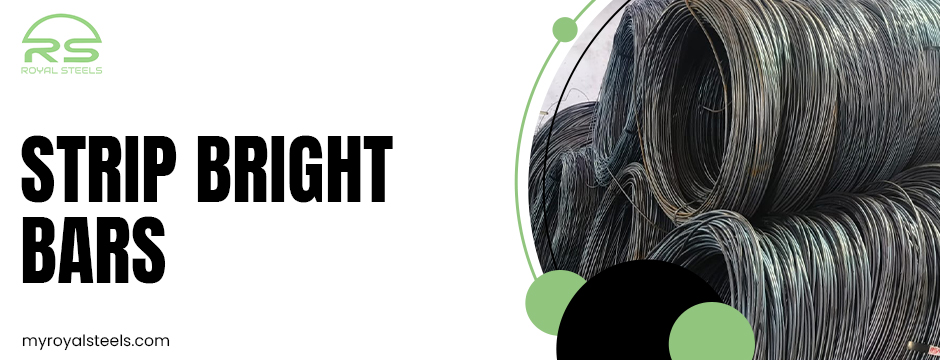
However, strip bright bars are more suitable for applications requiring flat surfaces and bending flexibility. Consequently, engineers choose between these based on design requirements rather than general preference.
Additionally, square bars offer better torque resistance in rotating components.
How to Choose the Right Supplier for Square Bright Bars
Selecting the right supplier is critical for project success. A reliable supplier should offer:
- Consistent material quality
- Accurate dimensional control
- Custom size availability
- Certified steel grades
- Strong delivery system
Furthermore, industries should check whether the supplier also provides strip bright bars, as this indicates a wider production capability.
A good supplier will also ensure traceability of raw materials and maintain strict quality standards across all batches of square bright bars.
Common Steel Grades Used in Square Bright Bars
Different industries require different steel grades. Some commonly used materials include:
- EN8, EN9, EN24
- SAE 1018, SAE 4140
- EN31, EN15, EN19
- 16MnCr5, 20MnCr5
These grades influence hardness, machinability, and load capacity.
Additionally, square bright bars made from alloy steels are preferred in high-stress mechanical environments where durability is essential.
Benefits of Using Square Bright Bars in Manufacturing
The advantages of square bright bars go beyond basic strength.
They offer:
- Reduced machining time
- Better product finish
- Lower production waste
- High compatibility with CNC machines
- Long service life
However, one often overlooked benefit is their consistency. Each batch maintains uniform quality, which improves large-scale production efficiency.
Moreover, combining them with strip bright bars allows manufacturers to expand design flexibility in complex assemblies.
Storage, Handling, and Supply Chain Importance
Proper handling plays a major role in maintaining quality. Square bright bars must be stored in dry, controlled environments to prevent corrosion.
Additionally, suppliers with strong logistics networks ensure timely delivery, which is crucial for continuous production cycles.
Consequently, businesses should always prefer suppliers with organized warehousing systems and distribution efficiency.
Why Supplier Expertise Matters in Square Bright Bars
Technical expertise directly impacts product quality. Experienced manufacturers understand alloy behavior, machining requirements, and industrial usage conditions.
This ensures that square bright bars meet precise engineering needs without failure risks.
Furthermore, suppliers who also deal in strip bright bars often have better process control and broader material knowledge.
Precision You Can Trust with Every Bright Bar
At Royal Steels, we combine advanced manufacturing expertise, strict quality control, and industry-focused solutions to deliver bright steel products that meet demanding engineering standards. We specialize in producing precision-engineered square bright bars, round bars, strip bars, shafting steel, and customized steel solutions for diverse industrial applications. Furthermore, we focus on dimensional accuracy, superior surface finish, reliable strength, and timely delivery. Our commitment is simple—provide high-quality steel products that help manufacturers improve efficiency, consistency, and long-term performance.
Conclusion: Choosing the Right Partner for Long-Term Success
In conclusion, square bright bars are a core material in modern engineering industries due to their precision, strength, and versatility. However, their performance depends heavily on supplier quality and manufacturing standards.
Businesses must evaluate technical capability, material consistency, and delivery reliability before making a decision.
When sourced from the right manufacturer, square bright bars significantly improve production efficiency and product durability. Additionally, integrating strip bright bars into procurement strategies helps meet diverse fabrication needs.
For industries seeking dependable steel solutions, Royal Steels stands as a trusted name in delivering high-quality engineered products designed for long-term industrial performance.
FAQs
1. What are square bright bars used for in industries?
Square bright bars are widely used in automotive, machinery, construction, and fabrication industries. They are ideal for shafts, machine parts, structural components, and precision engineering applications due to their strength and dimensional accuracy.
2. How are square bright bars different from normal steel bars?
Square bright bars are cold-finished, which gives them a smoother surface and better accuracy compared to hot-rolled steel bars. This makes them more suitable for precision machining and high-performance industrial applications.
3. What factors should I consider when choosing square bright bars?
You should check material grade, surface finish, dimensional accuracy, supplier reliability, and testing standards. Consistency and certification are also important for ensuring long-term performance in industrial use.
4. Are square bright bars suitable for heavy-duty applications?
Yes, square bright bars are suitable for heavy-duty and load-bearing applications when made from appropriate steel grades like EN8, EN24, or alloy steels. They offer strong mechanical stability and durability.
5. Why do manufacturers prefer square bright bars over other shapes?
Manufacturers prefer square bright bars because they offer uniform strength distribution, better machinability, and reduced processing time. They also improve efficiency in mass production and precision engineering projects.