
Industrial manufacturing relies heavily on materials that combine strength, versatility, and cost efficiency. Among the most widely used steel products, mild steel black bars have earned a strong reputation across engineering, construction, automotive, and fabrication sectors. Their durability, ease of processing, and wide availability make them a practical choice for countless industrial applications.
Whether you are sourcing raw materials for machinery parts, structural components, or fabrication projects, understanding the properties and selection criteria of these steel bars can help you make better purchasing decisions.
What Are Mild Steel Black Bars?
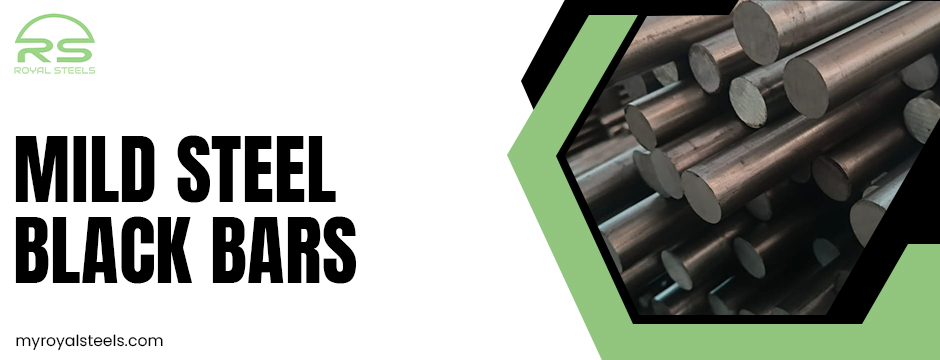
Mild steel black bars are hot-rolled steel bars that retain their original mill finish. Unlike polished or cold-drawn products, they have a dark oxide layer on the surface created during the manufacturing process.
These bars are produced using low-carbon steel, which gives them a balanced combination of strength, ductility, and machinability. As a result, they are suitable for applications where precise surface finishing is not the primary requirement.
Available in round, square, and flat profiles, mild steel black bars are commonly used as raw material for further machining, forging, welding, and fabrication operations.
Why Industries Prefer Mild Steel Black Bars
Industrial buyers often choose materials that offer dependable performance without significantly increasing production costs. This is where these steel bars stand out.
Excellent Workability
Low carbon content allows easy cutting, drilling, welding, and shaping. Consequently, manufacturers can process them efficiently across different production environments.
Cost-Effective Material Choice
Compared to specialized alloy steels, these bars provide strong mechanical performance at a lower cost. This makes them attractive for large-volume manufacturing projects.
Reliable Structural Strength
Although mild steel is not classified as a high-strength alloy, it delivers sufficient load-bearing capability for many engineering and structural applications.
Wide Availability
Because demand remains consistently high, mild steel black bars are readily available in various grades and dimensions, reducing procurement challenges.
Common Industrial Applications
One reason for the continued popularity of these bars is their adaptability across multiple sectors.
Automotive Manufacturing
The automotive industry uses steel bars for producing brackets, shafts, mounting components, and supporting structures. Their machinability simplifies the manufacturing process while maintaining durability.
General Engineering
Machine shops frequently utilize mild steel black bars for fabricating components such as couplings, pins, rollers, and fixtures. The material supports efficient machining and welding operations.
Construction Projects
Structural frameworks, support members, reinforcement elements, and fabrication assemblies often incorporate black bars due to their strength and affordability.
Agricultural Equipment
Farm machinery manufacturers use these steel products to create durable components capable of handling continuous operational stress in demanding environments.
Industrial Fabrication
Fabricators rely on steel bars for gates, platforms, machine frames, conveyors, and custom-built industrial equipment.
Understanding the Difference Between Black Bars and Bright Bars
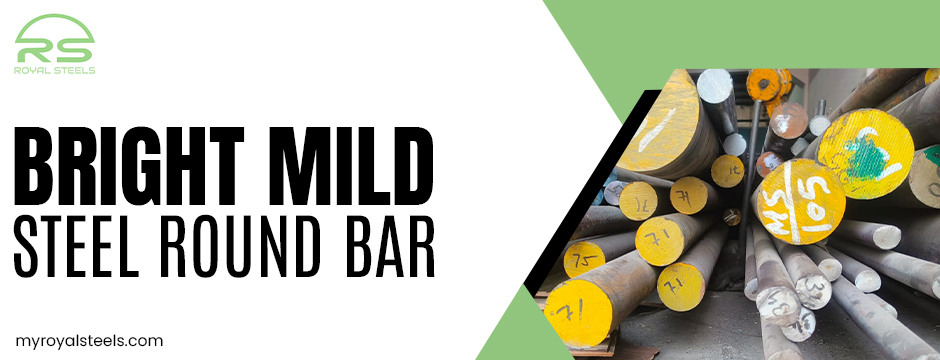
Many buyers compare black bars with cold-finished alternatives before placing an order. A bright mild steel round bar undergoes additional processing after hot rolling. The material is drawn, peeled, or ground to achieve tighter dimensional tolerances and a smoother surface finish. Black bars, on the other hand, maintain their original hot-rolled finish and are generally more economical.
The choice largely depends on the application. If appearance and precision are critical, a bright mild steel round bar may be preferred. However, for structural and fabrication work, black bars often provide greater value.
Key Properties That Influence Performance
Selecting the right steel product requires understanding its physical and mechanical characteristics.
Good Weldability
Low carbon composition allows strong weld joints without excessive cracking risks. This feature supports fabrication-intensive projects.
High Ductility
These bars can be bent, formed, and reshaped without significant structural failure, making them suitable for custom manufacturing requirements.
Consistent Machinability
Manufacturers appreciate predictable machining performance, especially during turning, drilling, milling, and threading operations.
Adequate Toughness
The material can absorb moderate impact loads, helping components perform reliably under normal operating conditions.
These characteristics collectively explain why mild steel black bars remain a preferred material in multiple industries.
Factors to Consider Before Selecting Mild Steel Black Bars
Not every steel bar is suitable for every project. Careful evaluation helps avoid costly mistakes.
Determine the Intended Application
Start by identifying how the material will be used. Structural applications may require different specifications than precision-machined components.
Check Material Grade
Different grades offer varying mechanical properties. Ensure the selected grade aligns with your operational requirements.
Verify Dimensional Requirements
Diameter, thickness, and length should match project specifications to minimize waste and machining costs.
Review Surface Condition
While black bars naturally feature a mill-scale finish, excessive defects or inconsistencies should be avoided.
Consider Supply Reliability
A dependable supplier ensures consistent quality, timely delivery, and proper material certification.
How Manufacturing Processes Affect Quality
The production process significantly impacts final product performance.
Steel billets are heated to high temperatures and passed through rolling mills to achieve the required dimensions. During cooling, an oxide layer forms on the surface, creating the characteristic dark appearance.
Quality-focused manufacturers maintain strict process controls to ensure:
- Uniform dimensions
- Consistent chemical composition
- Proper straightness
- Reliable mechanical properties
- Minimal surface imperfections
These factors directly influence the durability and usability of mild steel black bars in industrial applications.
When to Choose Bright Steel Instead
Certain projects require enhanced dimensional precision and improved surface finish. For example, hydraulic shafts, precision-engineered components, and threaded applications often benefit from a bright mild steel round bar because of its superior accuracy.
Furthermore, bright bars reduce machining allowances, which can improve manufacturing efficiency in specialized applications.
Therefore, understanding project requirements helps determine whether black bars or bright bars offer the better solution.
Storage and Handling Best Practices
Proper storage helps maintain material quality before fabrication begins. Keep steel bars in dry environments to reduce moisture exposure. Elevated storage racks prevent direct ground contact and improve ventilation.
Additionally, organizing inventory by grade and size improves operational efficiency while reducing handling errors.
Routine inspections can identify early signs of corrosion or physical damage before the material enters production.
Future Demand for Mild Steel Black Bars
Industrial demand continues to grow as infrastructure development, manufacturing expansion, and engineering projects increase worldwide.
Advancements in fabrication technologies have also strengthened the relevance of traditional steel products. Despite the availability of advanced materials, mild steel black bars remain a dependable choice because they balance performance, availability, and affordability.
As industries focus on practical and cost-conscious solutions, these steel bars are expected to maintain their importance across multiple sectors.
Precision Steel Solutions Built for Modern Industries
At Royal Steels, we understand that every industrial project demands materials that deliver strength, consistency, and performance. That’s why we supply a wide range of premium steel products designed to meet the needs of engineering, manufacturing, automotive, and fabrication sectors. From high-quality bright bars to durable steel solutions in multiple grades and dimensions, we focus on precision, reliability, and customer satisfaction. Looking for a trusted steel partner? Connect with us today and let’s build stronger solutions together.
Conclusion
Choosing the right steel material is a critical decision for any manufacturing or engineering project. From construction and automotive production to machinery manufacturing and industrial fabrication, mild steel black bars provide an effective combination of strength, workability, and economic value.
Understanding their properties, applications, manufacturing processes, and selection criteria allows buyers to make informed decisions that support long-term project success. Furthermore, comparing them with alternatives such as bright bars helps ensure the chosen material aligns with specific operational requirements.
For businesses seeking dependable steel solutions backed by industry expertise, Royal Steels offers a comprehensive range of quality steel products designed to meet diverse industrial needs. Get in touch today to discuss your requirements and find the right material for your next project.
FAQs
1. What are mild steel black bars commonly used for?
Mild steel black bars are widely used in construction, automotive manufacturing, machinery production, engineering components, and industrial fabrication. Their strength, weldability, and affordability make them suitable for a variety of applications.
2. How do mild steel black bars differ from bright steel bars?
The main difference lies in the finish and precision. Mild steel black bars have a hot-rolled surface finish, while bright steel bars undergo additional processing for improved dimensional accuracy and a smoother surface.
3. How do I choose the right mild steel black bars for my project?
Consider factors such as application requirements, steel grade, dimensions, load-bearing needs, and machining requirements. Choosing a reliable supplier also helps ensure consistent quality.
4. Are mild steel black bars suitable for welding and fabrication?
Yes. Their low carbon content provides excellent weldability and formability, making them a preferred choice for fabrication, cutting, bending, and assembly work.
5. Why are mild steel black bars popular in industrial manufacturing?
They offer an ideal balance of durability, machinability, availability, and cost-effectiveness. These benefits help manufacturers produce reliable components while maintaining efficient production costs.