
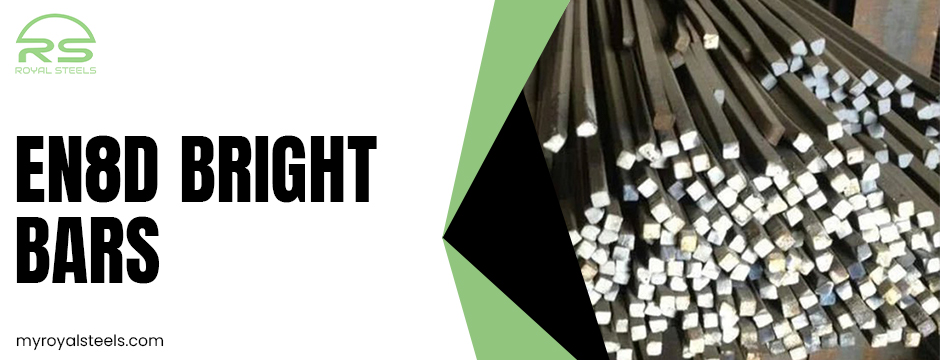
In industrial manufacturing, material selection decides performance, cost, and durability. One such widely used engineering material is EN8D bright bars. These steel bars are known for strength, machinability, and reliability in high-load applications.
In simple terms, EN8D bright bars are carbon steel bars processed through cold drawing to achieve precise dimensions and a smooth surface finish. Consequently, they are preferred in automotive, machinery, and heavy engineering sectors where accuracy matters.
Furthermore, engineers often compare them with standard carbon steels to understand suitability for different mechanical environments. This guide explains everything in a practical way, so buyers and engineers can make informed decisions.
Understanding EN8D Bright Bars in Engineering Applications
The term EN8D bright bars refers to a medium carbon steel grade that is widely used in mechanical and structural components. These bars are known for their balanced strength and toughness.
They are manufactured through controlled cold finishing, which improves dimensional accuracy and surface quality. Specifically, this process enhances machinability, making them suitable for precision parts.
Unlike general steel rods, these bars are used where performance consistency is critical. Consequently, industries prefer them for rotating parts, shafts, and machine assemblies.
EN8D Chemical Composition and Material Behavior
The EN8D chemical composition plays a key role in defining mechanical properties. It typically includes controlled levels of carbon, manganese, and silicon. The carbon content improves hardness and strength. However, manganese enhances toughness and wear resistance. Silicon supports structural stability during load conditions.
The EN8D chemical composition ensures a balance between strength and machinability. Therefore, it is suitable for components that undergo both static and dynamic stress.
Next, this composition allows heat treatment flexibility, which further improves performance in industrial applications.
Key Properties of EN8D Bright Bars
One of the main reasons engineers prefer EN8D bright bars is their mechanical reliability. They offer:
- High tensile strength
- Good machinability
- Better surface finish
- Stable performance under load
Furthermore, they respond well to heat treatment processes like quenching and tempering. This improves hardness without compromising toughness.
In addition, their dimensional accuracy reduces machining time, which is crucial in mass production environments.
Manufacturing Process and Quality Control
The production of EN8D bright bars involves multiple controlled steps. It begins with hot-rolled steel, which is then processed through pickling and cold drawing. Cold drawing improves surface finish and ensures tight tolerances. Consequently, the final product is suitable for precision engineering.
Quality control checks include:
- Dimensional accuracy testing
- Surface inspection
- Mechanical strength evaluation
These checks ensure that every bar performs consistently in industrial conditions.
EN8D Bright Bars vs Other Steel Grades
Engineers often compare EN8D bright bars with other medium carbon steels. The key difference lies in machinability and finishing quality. For example, EN8 standard bars may require additional machining. However, EN8D offers a better finish and reduced processing time.
In contrast, low-carbon steels provide easier welding but lower strength. Therefore, EN8D becomes a balanced choice for mechanical components requiring both strength and precision.
Applications of EN8D Bright Bars in Industry
The demand for EN8D bright bars is high across multiple sectors due to their versatility.
They are commonly used in:
- Automotive shafts and axles
- Gear blanks and machine components
- Industrial fasteners and bolts
- Engineering equipment parts
Additionally, their stable mechanical behavior makes them suitable for heavy-duty applications.
Many manufacturers also use round bright bars in shafting systems where smooth rotation and balance are required.
Role of Round Bright Bars in Engineering Design
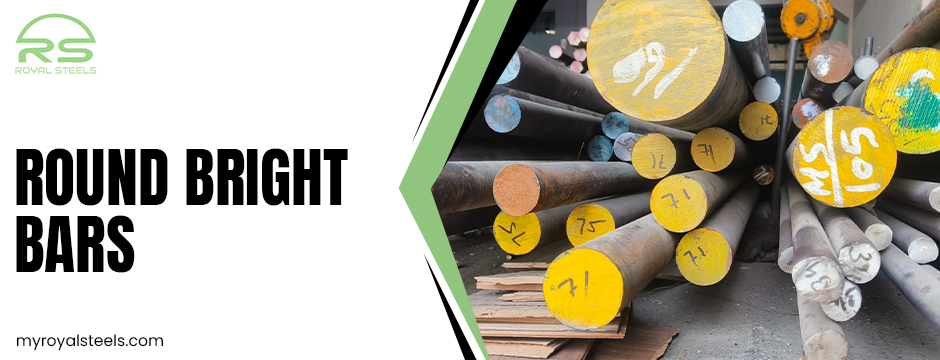
In many machining applications, round bright bars are preferred due to their uniform shape and easy machinability. These bars are widely used in rotating components. Furthermore, round bright bars help reduce vibration in mechanical systems. This improves efficiency and increases equipment lifespan.
They are also used as base material for turning, milling, and grinding operations in precision workshops.
Heat Treatment and Performance Enhancement
Heat treatment significantly improves the performance of . Processes like annealing, normalizing, and quenching adjust hardness levels. Specifically, quenching increases strength, while tempering improves toughness. Consequently, the material becomes suitable for high-stress environments.
However, improper heat treatment can affect structural integrity. Therefore, controlled processing is essential for consistent quality output.
Advantages for Engineers and Buyers
From a practical perspective, EN8D bright bars offer several advantages:
- Reduced machining time
- High load-bearing capacity
- Better surface finish for precision parts
- Reliable performance under stress
In addition, procurement teams prefer them due to their availability in multiple sizes and specifications.
Their compatibility with industrial machinery makes them a cost-effective engineering solution.
Storage, Handling, and Corrosion Behavior
Like most carbon steels, EN8D bright bars can develop surface rust when exposed to moisture. However, proper oil coating and storage significantly reduce corrosion risk. They should be stored in dry environments with controlled humidity.
Furthermore, protective coatings help maintain surface quality during transportation and long-term storage.
Industrial Importance of EN8D Bright Bars
The industrial value of EN8D bright bars is significant due to their adaptability.
They are widely used in:
- Heavy engineering machinery
- Textile equipment
- Agricultural systems
- Oil and gas components
In addition, manufacturers rely on round bright bars for producing shafts, pins, and rotating assemblies in critical systems.
Future Demand and Engineering Relevance
With increasing automation and precision manufacturing, demand for EN8D bright bars continues to grow. Industries now require materials that reduce machining time while improving output quality.
Consequently, EN8D remains a preferred choice in modern engineering design due to its balanced properties and processing efficiency.
Royal Steels – Precision Engineering in Every Bright Bar
At Royal Steels, we specialize in delivering high-quality EN8D and precision-engineered bright bars designed for demanding industrial applications. We ensure consistent strength, accurate dimensions, and superior surface finish to meet modern engineering needs. Our products support the automotive, machinery, and heavy engineering sectors with reliable performance. Furthermore, we maintain strict quality control and efficient supply systems. We focus on long-term value, helping engineers and buyers choose steel solutions that improve durability, efficiency, and production output.
EN8D Chemical Composition Explained for Engineering Use
EN8D chemical composition consists of carefully controlled elements like carbon, manganese, silicon, sulfur, and phosphorus. Carbon (0.40–0.45%) provides strength and hardness, while manganese improves hardenability and tensile performance. Silicon supports steel cleanliness during production. However, sulfur and phosphorus are kept low to prevent brittleness and maintain workability.
Consequently, this balanced mix makes EN8D suitable for machining and heat treatment. EN8D chemical composition ensures reliable performance in shafts, gears, and automotive components, offering a strong balance of durability and machinability.
Conclusion
To summarize, are essential materials in modern engineering due to their strength, machinability, and reliable performance. Their controlled composition and precision finishing make them suitable for a wide range of industrial applications.
The EN8D chemical composition ensures a balance of hardness and toughness, making it ideal for high-performance mechanical parts. Meanwhile, round bright bars further expand their usability in rotating and precision systems.
For engineers and buyers, choosing the right material directly impacts product performance and lifecycle efficiency.
For reliable supply and consistent quality in engineering steel solutions, Royal Steels offers precision-engineered bright bar products designed for industrial excellence and long-term performance.
FAQs
1. What are EN8D Bright Bars used for?
EN8D Bright Bars are mainly used in automotive, machinery, and heavy engineering applications. They are ideal for shafts, gears, bolts, and precision machine components where strength and accuracy are required.
2. What makes EN8D Bright Bars different from normal steel bars?
EN8D Bright Bars are cold-drawn, which gives them a smoother surface finish and better dimensional accuracy. This makes them more suitable for precision engineering compared to standard hot-rolled steel bars.
3. What is the EN8D chemical composition?
The EN8D chemical composition includes controlled levels of carbon, manganese, silicon, sulfur, and phosphorus. This balance provides strength, machinability, and toughness required for industrial applications.
4. Are EN8D Bright Bars suitable for heat treatment?
Yes, EN8D Bright Bars respond well to heat treatment processes like quenching and tempering. These processes improve hardness and strength while maintaining good toughness.
5. Where are EN8D Bright Bars commonly used in industry?
They are widely used in automotive shafts, industrial machinery parts, textile equipment, agricultural tools, and oil & gas components due to their durability and performance consistency.