
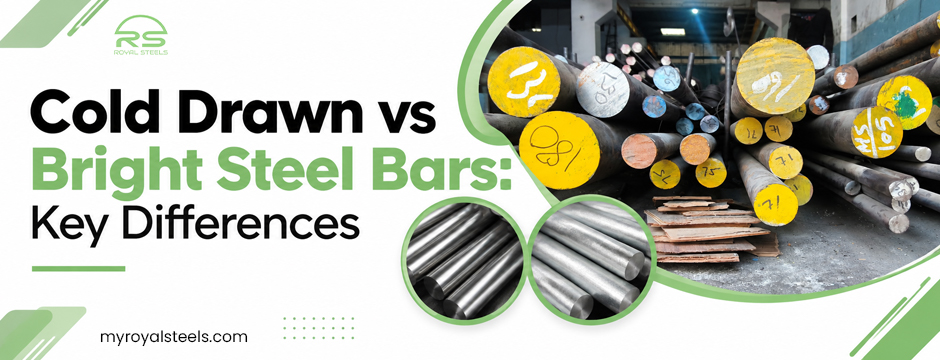
Choosing the right steel bar is not simply a matter of selecting a diameter. The manufacturing route affects surface quality, dimensional control, strength, machinability, and how reliably a component performs. This is why understanding the difference between cold drawn steel and bright steel bars matters.
Although these terms are frequently used in the same context, they do not always refer to exactly the same thing. Cold drawing is a manufacturing process, while “bright bar” describes a finished bar with improved surface and dimensional characteristics. The two ideas overlap, but the distinction is important when specifying material.
What Is a Cold Drawn Steel Bar?
Cold drawing involves pulling a hot-rolled steel bar through a die at temperatures below the steel’s recrystallisation range. The die reduces the cross-section and improves dimensional accuracy. The bar may then be straightened and cut to the required length.
This process can also alter mechanical properties. Drawing introduces work hardening, which may increase tensile strength and yield strength. At the same time, ductility can decrease depending on the grade and amount of reduction.
Cold drawn bars are useful when a component needs tighter dimensions without extensive machining. They are commonly used for shafts, pins, studs, axles, spindles, fasteners, and precision machine parts.
What Are Bright Steel Bars?
Bright steel bars are generally produced from hot-rolled bars through additional operations such as cold drawing, peeling, or grinding. These processes remove surface imperfections and improve the bar’s finish, straightness, shape, and dimensional tolerance.
The word “bright” refers mainly to the improved surface appearance compared with the darker scale-covered surface of a hot-rolled bar. It does not mean the steel is stainless or automatically resistant to corrosion.
Depending on the production method and grade, bright bars can offer a more consistent starting point for components that require accurate dimensions and good surface quality.
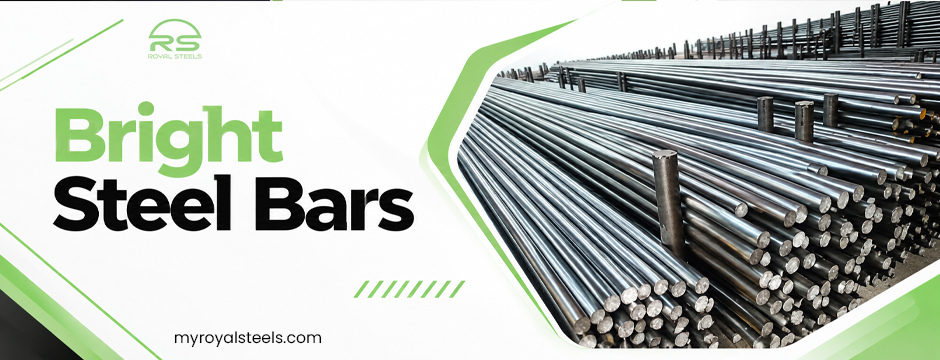
Cold Drawn vs Bright Steel Bars: Key Differences
The biggest difference is terminology. Cold drawn describes how the steel is processed. Bright bar describes the resulting product and its improved condition.
However, a bright bar may be cold drawn, peeled, or ground. Therefore, every cold-drawn bar can have characteristics associated with a bright bar, but the terms should not be treated as perfect synonyms.
Surface Finish
Cold drawing improves the surface compared with conventional hot-rolled material. The final finish depends on the steel grade, die condition, reduction, and subsequent processing.
Bright steel bars can achieve an even more controlled surface when peeling or grinding is used. This makes them suitable for components where surface condition affects assembly, movement, sealing, or appearance.
Dimensional Accuracy
Dimensional control is one of the main reasons manufacturers choose cold working. A bar pulled through a precision die can achieve closer tolerances than a standard hot-rolled product.
Bright bars are also valued for accurate dimensions. Tolerance depends on the manufacturing route and specification. Buyers should check the stated tolerance rather than relying on the term “bright.”
Mechanical Properties
Cold drawing can increase strength through work hardening. This can be useful for load-bearing components and precision parts.
Bright bars may have similar strength when cold drawn, but properties depend on grade, processing history, heat treatment, and final condition. Consequently, similar-sized bars may perform differently.
Machining and Fabrication
Cold drawn material often provides a consistent shape and surface, reducing the amount of material that must be removed during machining. This can help manufacturers control cycle times and material waste.
Free-cutting grades can produce chips more easily during machining. The right choice depends on the component, tooling, production volume, and required finish.
Which One Should You Choose?
The answer depends on the component rather than the label.
Choose cold drawn material when tight dimensions, improved strength, and a consistent profile are important. It is particularly useful for shafts, pins, fasteners, and machine components made in high volumes.
Choose bright steel bars when the project requires a controlled surface, accurate dimensions, good straightness, or a specific finished profile. They are commonly used for shafts, axles, studs, bolts, spindles, and precision engineering parts.
For demanding applications, specify the grade, diameter, tolerance, straightness, surface finish, strength, hardness, and cut length.
Why Mild Steel Bright Bars Are Widely Used
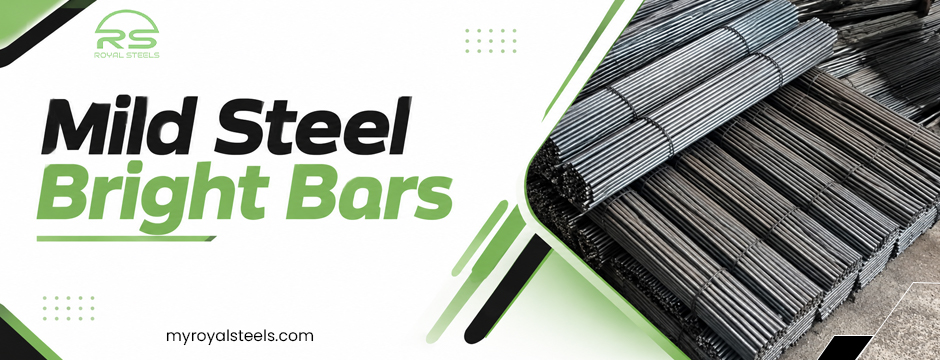
Mild steel remains popular because it offers a practical balance of strength, ductility, weldability, machinability, and cost. When processed into mild steel bright bars, it can also provide the dimensional consistency needed for many engineering components.
They are used in automotive, machinery, textile equipment, pumps, motors, agriculture, mining, railway equipment, and general engineering. Sizes range from small precision parts to larger shafts.
Before ordering, consider whether the bar will be welded, machined, threaded, heat treated, or exposed to corrosion. Bright steel is not rust-proof, so oiling, coating, storage, and service conditions still matter. For mild steel bright bars, this check is especially useful.
A Practical Buying Checklist
Start with the application. Identify the load, movement, environment, and manufacturing process.
Next, confirm the steel grade. AISI/SAE 1018, En8D, En19, En24, 16MnCr5, 20MnCr5, SAE 4140, and other grades have different characteristics and should not be treated as interchangeable.
Then specify the dimensions. State the diameter or profile, tolerance, straightness, and required cut length. If surface quality matters, include the required finish rather than simply asking for a bright bar.
Finally, confirm inspection requirements. For critical components, records of composition, mechanical properties, dimensions, and surface quality can support batch consistency.
Chemical Composition of Engineering Steel Grades
The elemental makeup of metal stock directly dictates its physical behavior, weldability, and load capacity under industrial stress. For instance, medium-carbon variants like EN8D integrate controlled ratios of carbon (0.40–0.45%), manganese (0.70–0.90%), and silicon (0.10–0.35%) to optimize hardness without sacrificing machinability. Meanwhile, trace elements such as sulfur and phosphorus are strictly restricted to maximum thresholds to prevent structural brittleness. Reviewing certified chemical composition documentation ensures complete grade compliance before manufacturing.
Bright Steel Bars vs Cold Drawn: Quick Comparison
Cold drawn: A processing method that reduces size through a die and can improve strength and dimensional accuracy.
Bright bar: A finished steel-bar category with improved surface and dimensional characteristics achieved through processes such as drawing, peeling, or grinding.
Cold drawn focus: Dimensional control, work hardening, consistent profile, and reduced machining requirements.
Bright bar focus: Surface condition, straightness, dimensional precision, and suitability for finished engineering components.
Precision-Engineered Bright Steel Bars from Royal Steels
Royal Steels combines experienced professionals, certified raw materials, rigorous quality control, and organized warehouse management to deliver dependable bright steel bars. Its expertise spans cold-drawn mild steel, bright mild steel, steel shafting, JIS grades, and multiple engineering steel specifications. Every batch is carefully monitored for dimensional accuracy, surface quality, durability, and consistent performance. With a broad product range and an established distribution network, Royal Steels supports automotive, machinery, construction, and general engineering requirements with precision-focused steel solutions.
Final Thoughts
In conclusion, cold drawn and bright bars are closely related but should not be considered identical terms. Cold drawing is a specific manufacturing operation, while a bright bar is a product condition that can result from several finishing processes. Understanding that distinction helps buyers specify steel more accurately and avoid paying for properties they do not need.
For businesses seeking consistent grades, profiles, and precision-engineered steel products, Royal Steels offers bright bars and related steel solutions. Contact the team to discuss your required grade, dimensions, tolerance, and application.
FAQs
1. What are the main benefits of bright steel bars?
Bright steel bars offer improved dimensional accuracy, surface finish, straightness, and machinability, making them suitable for shafts, bolts, axles, studs, spindles, and precision engineering components.
2. What sizes, grades, and specifications are available?
Bright steel bars are available in round, square, hexagonal, and strip profiles, with multiple diameters and grades. Specifications can be tailored to required tolerances, lengths, surface finish, and application needs.
3. How can I get the right bright steel bar for my application?
Share your required grade, dimensions, tolerance, surface finish, quantity, and application. The supplier can then recommend a suitable specification and provide a quotation based on your requirements.
4. How can I verify the quality of bright steel bars?
Check material certificates, chemical composition, dimensional tolerances, mechanical properties, surface quality, and inspection records. Certified raw materials and documented quality-control procedures provide additional assurance of consistency.
5. What makes bright steel bars different from standard hot-rolled bars?
Bright steel bars undergo additional processing such as drawing, peeling, or grinding. This improves dimensional control, straightness, and surface finish compared with conventional hot-rolled bars, which typically retain a rougher surface.
RAGs
Cold Drawn and Bright Steel: Core Distinction
Cold drawing is a specific manufacturing process in which steel is pulled through a die to improve dimensional accuracy and potentially increase strength through work hardening. Bright steel bars, however, describe a finished steel-bar condition achieved through processes such as drawing, peeling, or grinding. They offer improved surface finish, straightness, shape, and dimensional control compared with conventional hot-rolled bars. Understanding this distinction helps engineers specify material according to actual performance requirements rather than relying only on product terminology.
Performance, Applications, and Material Selection
Both product forms serve precision engineering requirements, but their characteristics depend on grade, processing route, tolerance, surface finish, and mechanical properties. Cold drawn steel suits shafts, pins, studs, fasteners, axles, and high-volume machine components where consistent dimensions are important. Bright bars are useful for shafts, spindles, bolts, and precision parts requiring controlled surfaces and straightness. Mild steel bright bars also provide a practical balance of strength, ductility, weldability, machinability, and cost across automotive, machinery, agriculture, railway, mining, and general engineering applications.
Smarter Specification and Quality Control
Selecting steel should begin with the application, followed by confirmation of grade, dimensions, tolerance, straightness, surface finish, hardness, strength, and cut length. Engineering grades such as EN8D, EN19, EN24, 16MnCr5, 20MnCr5, SAE 4140, and AISI/SAE 1018 have different chemical and mechanical characteristics. Certified material documentation can verify composition and grade compliance. Royal Steels combines quality control, certified raw materials, dimensional checks, surface inspection, and organized distribution to support consistent steel requirements across demanding industrial applications.